 English


Views: 0 Author: Site Editor Publish Time: 2026-01-08 Origin: Site


In the professional lighting industry, the ability to control visual focus is a fundamental requirement for successful stagecraft, architectural highlighting, and event production. The spotlight, particularly in its advanced form as a follow spot light, serves as the primary instrument for creating a hierarchy of importance within a physical space. Whether it is a solo performance in a darkened theater or a high-energy transition during a stadium concert, the precision and intensity of the stage follow spot light allow directors and lighting designers to direct the audience's gaze with absolute accuracy.
The primary purpose of a spotlight, specifically a follow spot light, is to isolate a specific person, object, or area on a stage by projecting a high-intensity, narrow beam of light that can be manually or remotely adjusted to track movement. By cutting through the ambient stage "wash," a theatre follow spot light ensures the subject remains clearly visible and distinct from the background, facilitating a direct visual connection between the performer and the audience regardless of their position on the stage.
As technology has evolved from traditional high-heat lamps to the modern led follow spot light, the versatility of these fixtures has expanded. Today, the integration of digital protocols has introduced the dmx follow spot light, which allows for synchronized color and intensity control alongside manual tracking. Understanding the specific bascis, features, and various industrial uses of the lighting follow spot is essential for B2B procurement managers and lighting technicians who aim to elevate the production value of their venues. This guide provides a comprehensive analysis of the role that the follow spot light plays in modern visual narratives.

Spotlight Basics
Purpose
Industry Insights: Comparing Platform Perspectives
Uses
Features
AQ
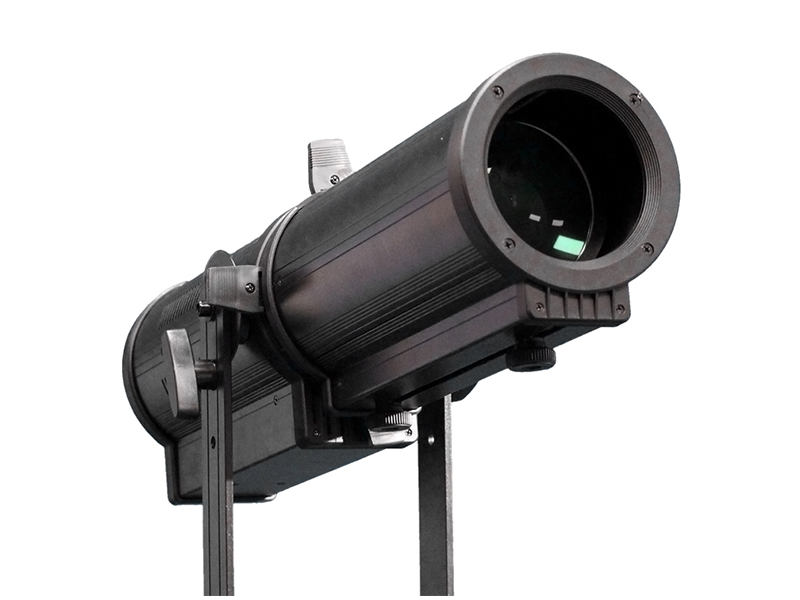
A follow spot light is a specialized high-output lighting fixture characterized by its long-throw distance, narrow beam angle, and the ability for a human operator or remote system to manipulate its pan, tilt, and iris in real-time.
The technical foundation of the stage follow spot light lies in its optics. Unlike a general floodlight that scatters light across a wide area, a follow spot light uses a series of high-precision lenses to condense light into a tight, parallel beam. This is achieved through a combination of a powerful light source—increasingly a high-wattage led follow spot light engine—and an adjustable iris. The iris allows the operator to shrink or expand the diameter of the beam without changing its intensity, a feature that is critical for maintaining a "head-and-shoulders" spot on a moving performer in a theatre follow spot light setting.
In addition to beam control, the lighting follow spot is designed for mechanical agility. These units are typically mounted on a balanced yoke and stand, allowing the operator to follow a performer’s rapid movements across a stage with minimal friction. In the context of concert follow spot Lighting, the fixture must also be able to handle "throws" of 50 to 100 meters, meaning the light must remain bright enough to compete with huge LED screens and pyrotechnics. This long-distance capability is a hallmark of professional follow spot light engineering, distinguishing it from smaller, fixed-position spotlights.
Modern innovations have also led to the rise of the dmx follow spot light. This version incorporates digital control, allowing a central lighting console to manage the color, dousing (dimming), and strobe effects. While the physical tracking is still often done by a person in a spot booth or on a truss, the dmx follow spot light ensures that the color of the spot matches the rest of the show's palette perfectly. This hybridization of manual operation and digital precision is now the industry standard for high-end concert follow spot Lighting tours.
The fundamental purpose of a follow spot light is to provide a dynamic focal point, ensuring that a performer or keynote speaker remains illuminated and visible to the audience while they move within a high-contrast environment.
Beyond mere visibility, the follow spot light serves a psychological and narrative function. In a theatrical production, a theatre follow spot light can isolate a single character during a soliloquy, effectively "shrinking" the world of the stage down to that one individual. This creates an emotional intimacy that general lighting cannot achieve. By using a lighting follow spot, the production team tells the audience exactly what is important at that exact moment. This "visual guidance" is essential in large venues where the distance between the back row and the stage makes it difficult to distinguish individual figures without high-intensity highlighting.
In a commercial or corporate setting, the stage follow spot light is used to guide transitions. When a speaker walks from a podium to a demonstration area, the follow spot light travels with them, maintaining the energy of the presentation and preventing "dead spots" where the speaker might disappear from view. For concert follow spot Lighting, the purpose shifts toward spectacle and tracking. High-speed tracking ensures that even a running rock star is never out of the light, while the high-output led follow spot light ensures the star "pops" against the backdrop of a massive, multi-colored light show.
Technically, the follow spot light also serves to correct the color balance on a stage. Many professional theatre follow spot light units are equipped with a "boomerang" or color magazine, allowing the operator to add warmth or coolness to the subject's skin tone. This is particularly important for filmed events or live broadcasts, where the led follow spot light must provide a specific color temperature to ensure the subject looks natural on camera. Without the dedicated purpose of the follow spot light, stage lighting would often appear flat and lack the three-dimensional depth required for professional-grade productions.
Evaluating perspectives from industry leaders provides a clearer understanding of how follow spot light technology is being applied to meet the rigorous demands of modern performance spaces.
The One Studio Platform: This platform emphasizes that the follow spot light is the "soul" of stage highlighting. Their viewpoint is that for professional theatrical performances, the high CRI (Color Rendering Index) of an led follow spot light is more important than raw brightness. They argue that the primary purpose is to ensure that costume colors and human skin tones are rendered with 100% accuracy, making the theatre follow spot light an essential tool for high-fidelity visual storytelling.
Shehds Platform: Focusing on the mechanics and versatility, this source highlights how a stage follow spot light works by utilizing complex internal lenses to achieve "zoom" and "focus" capabilities. They suggest that the purpose of the lighting follow spot has expanded with the advent of portable units, allowing even small schools and community centers to achieve professional tracking. Their perspective is that the dmx follow spot light is the future, as it lowers the barrier to entry for synchronized light shows.
Vangaa Lighting Platform: As a specialist in professional LED solutions, this platform advocates for the environmental and operational benefits of the led follow spot light. They point out that traditional spots generate dangerous levels of heat for operators, whereas their led follow spot light models provide silent cooling and instant-on capabilities. Their view is that the modern follow spot light should be a "smart" fixture that combines manual tracking with digital efficiency to reduce the total cost of ownership for venues.
Follow spot light systems are used in diverse environments ranging from theatrical stages and concert arenas to corporate ballrooms, sporting events, and house of worship ceremonies.
In the realm of performing arts, the theatre follow spot light is a staple. It is used during musicals to follow lead singers, during ballets to highlight soloists, and during operas to provide a crisp, white light that cuts through the dramatic, often dark, stage settings. The lighting follow spot in these environments is often operated from a specialized booth at the rear of the house. Because theatrical shows are highly rehearsed, the follow spot light operators work from a "cue sheet," ensuring that the light appears and disappears at precisely the same millisecond in every performance.
The demands of concert follow spot Lighting are much more intense. In this use case, the follow spot light is often positioned on a truss high above the audience or on a specialized bridge. Because concert performers move with high speed and unpredictability, the stage follow spot light must be incredibly agile. A dmx follow spot light is often used here to allow the main lighting designer to control the color and strobe effects, so they can sync with the music's BPM while the spot operator simply focuses on the tracking. This ensures a cohesive visual experience that matches the high-energy atmosphere of a live music event.
Beyond the stage, follow spot light technology is increasingly found in corporate and sporting events. At high-end award ceremonies, a lighting follow spot tracks winners as they walk through the audience to the stage, creating a sense of excitement and prestige. In boxing and MMA, the stage follow spot light is used to illuminate athletes during their walk-out to the ring. Even in modern churches, an led follow spot light is used to highlight the pastor or a choir soloist, ensuring that the focus remains on the message being delivered.
| Use Case | Recommended Follow Spot Light Type | Primary Objective |
| Broadway/Theatre | High-CRI led follow spot light | Accurate color and skin tone rendering. |
| Rock Concerts | High-Power dmx follow spot light | High visibility against complex backdrops. |
| Corporate Galas | Portable lighting follow spot | Professional highlighting of speakers. |
| Sports Arenas | Long-Throw follow spot light | Tracking movement over very long distances. |
Key features of a professional follow spot light include an adjustable iris, manual or digital dousing, color boomerangs, and high-quality zoom/focus lenses for sharp edge control.
The most iconic feature of any follow spot light is the "Boomerang." This is a mechanical device located at the front of the fixture that holds several different colored gels. The operator can quickly push a lever to change the color of the theatre follow spot light beam. In a modern led follow spot light, this is often supplemented or replaced by internal color mixing. However, many professional operators still prefer the tactile feel of a manual boomerang for the split-second color changes required during live concert follow spot Lighting.
Another essential feature is the "Iris and Chopper" system. The iris is used to change the size of the spot circle, while the chopper (also known as shutters) can be used to cut the beam into a square or rectangular shape. This is particularly useful in a stage follow spot light when you want to avoid "spill" on the floor or the background. The lighting follow spot also features a "Douser," which is a mechanical or electronic fader. A high-quality led follow spot light will have a very smooth douser that allows for a "blackout" without any light leakage or flickering, which is vital for dramatic theatrical entrances.
Modern dmx follow spot light units feature advanced cooling systems and silent fans. Because these lights are often operated in close proximity to a person, the follow spot light must remain cool and quiet. Older discharge-style units were notoriously hot and loud, but the led follow spot light has solved these issues. Additionally, high-end units feature "Sight Sights"—similar to a gun sight or a laser—that allow the operator to aim the stage follow spot light at a performer while the douser is still closed, ensuring the light appears exactly where it should when the cue begins.
Common questions about follow spot light usage typically revolve around throw distance, the advantages of LED technology, and the integration of DMX control.
While all follow spot light units are spotlights, not all spotlights are follow spots. A standard spotlight is usually fixed in one position on a lighting pipe. A follow spot light, however, is designed to be moved by an operator to track a moving subject. It is the addition of the handles, the balanced stand, and the manual iris control that defines a stage follow spot light.
The led follow spot light offers several major advantages: it produces significantly less heat, it doesn't require expensive and fragile bulb replacements, and it consumes far less power. Furthermore, an led follow spot light can be turned on and off instantly without a warm-up or cool-down period. For any modern theatre follow spot light or concert follow spot Lighting setup, LED is the more cost-effective and safer choice.
The "throw distance" depends on the wattage and optics of the specific unit. A small lighting follow spot might be effective up to 20 meters, while a professional concert follow spot Lighting unit can reach over 100 meters. When selecting a stage follow spot light, you must match the fixture’s throw capability to the distance from your spot bridge to the front of the stage.
Yes, in fact, that is how a dmx follow spot light is most commonly used. The operator still manually pans and tilts the light to follow the performer, but the DMX connection allows the lighting designer at the main console to control the color and brightness. This "hybrid" control is perfect for ensuring the follow spot light stays perfectly in sync with the overall show design.