 English


Views: 0 Author: Site Editor Publish Time: 2026-04-04 Origin: Site


The evolution of professional lighting technology has transformed how we perceive visual depth and clarity in theaters, film studios, and event spaces. Choosing the right fixture is a technical decision that impacts not only the aesthetic quality of the production but also the operational efficiency of the crew. Among the most critical tools in a lighting designer’s arsenal are Fresnel lights and spotlights, each utilizing distinct optical physics to shape light.
The primary difference between a Fresnel and a spotlight lies in the beam edge and control; a Fresnel spot produces a soft-edged, adjustable beam ideal for blending and washing, while a spotlight provides a sharp, high-intensity, and defined circular beam used to isolate specific subjects.
Understanding the nuances of these fixtures is essential for achieving professional-grade results. This guide explores the mechanical differences, optical characteristics, and ideal applications for both lighting types to help you optimize your stage or studio setup.
Fresnel vs. Spotlight: Understanding the Differences
Fresnel Lens: Soft, Even Illumination
Spotlight: Focused and Intense Illumination
Key Differences Summarized
Technical Applications and Best Practices

A Fresnel spot is characterized by its ability to provide a variable beam angle with a soft, diffused edge, whereas a traditional spotlight is engineered for maximum intensity and a hard-edged perimeter that separates the subject from the background.
In the realm of B2B lighting procurement, understanding these tools begins with their optical construction. A Fresnel light utilizes a specialized "stepped" lens that reduces the weight and heat retention of the glass while maintaining light-gathering capabilities. This allows the fixture to act as a hybrid between a floodlight and a focused beam. The fresnel spot is highly valued in television and film because the light naturally falls off at the edges, making it easy to overlap multiple lights without creating visible "seams" or double shadows on the talent.
Conversely, a spotlight—often a Profile or Ellipsoidal Reflector Spotlight (ERS)—is built for precision. It uses complex lens systems to project a sharp circle of light. These fixtures are the workhorses of theater, where a designer needs to highlight a single actor without spilling light onto the surrounding scenery. While a fresnel spot excels at filling a space with naturalistic light, a spotlight excels at creating drama and focus through high contrast.
The choice between a fresnel spot and a spotlight often comes down to the required "throw" distance and the desired shadow quality. For shorter distances and general area lighting, the Fresnel is superior. For long-range illumination or when gobos (patterns) need to be projected, the spotlight is the indispensable choice. By integrating both, professionals can achieve a layered lighting design that offers both ambient texture and specific highlights.
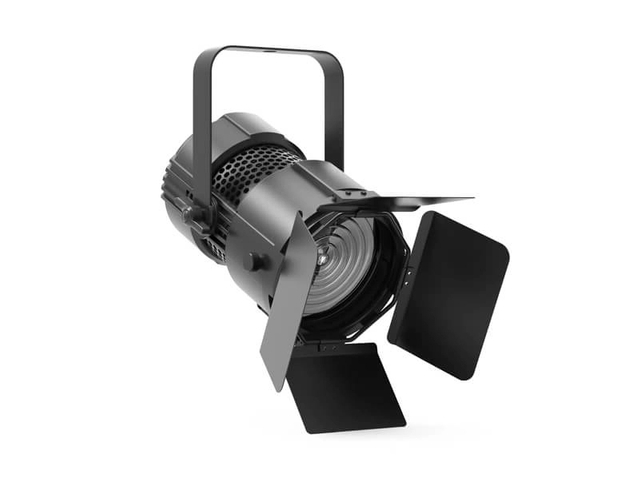
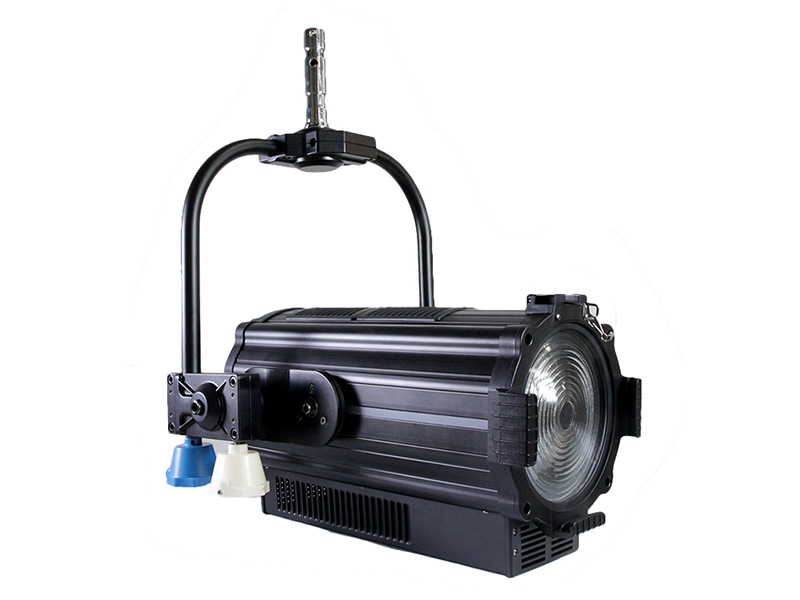
The Fresnel lens produces a soft-edged beam that mimics the quality of natural light, allowing for seamless blending between multiple fixtures and creating a "fresnel spot" that minimizes harsh transitions.
The design of the Fresnel lens is a masterpiece of efficiency. Originally developed for lighthouses, the lens is divided into concentric circles (steps) that are thinner than a conventional lens but possess the same focal length. This allows the fresnel spot to remain lightweight and resistant to heat cracking. When the lamp and reflector inside the housing move closer to the lens, the beam spreads (Flood); when they move away, the beam narrows (Spot). This flexibility is why the fresnel spot is the standard for interview setups and three-point lighting.
The "softness" of a fresnel spot refers to the penumbra—the area between the full light and full shadow. Because the light source is relatively large compared to the lens facets, the shadows produced are soft and flattering, hiding imperfections on a subject's skin or the texture of a backdrop. This makes the fresnel spot the preferred choice for:
Studio Wash Lighting: Filling large areas with consistent color temperature.
Backlighting: Separating a subject from the background without creating a distracting halo.
Naturalistic Scenes: Simulating sunlight or moonlight through a window.
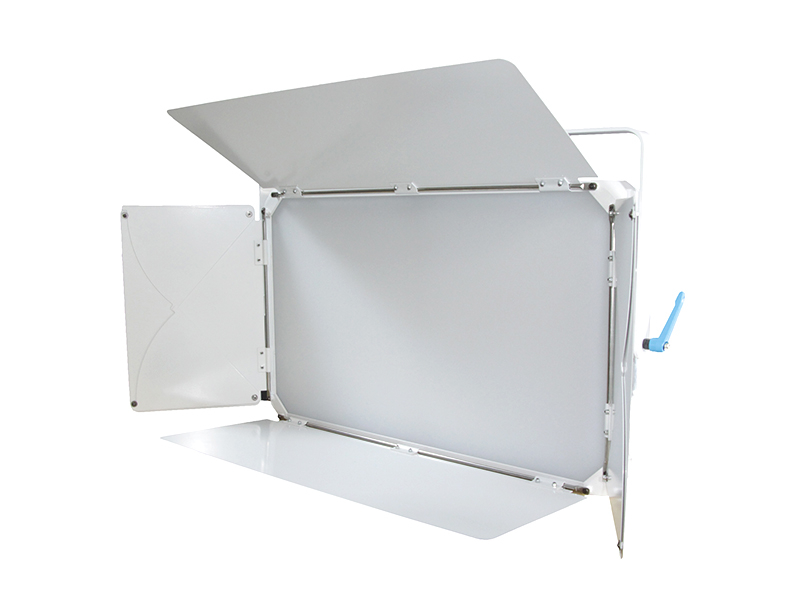
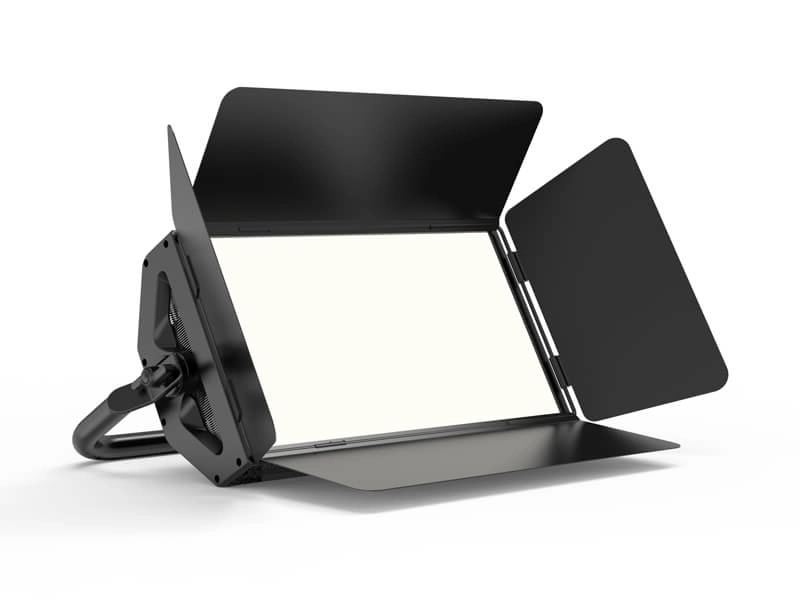
Furthermore, the fresnel spot is highly controllable via "barn doors"—metal flaps attached to the front of the light. While you cannot create a sharp-edged square with them, you can effectively "cut" the light away from areas where it is not wanted, such as the top of a set wall or a camera lens. This combination of soft quality and physical control makes the fresnel spot one of the most versatile tools in modern cinematography.
A spotlight projects a high-intensity, concentrated beam of light with a defined edge, specifically designed to draw the audience's eye to a precise point or subject on a stage.
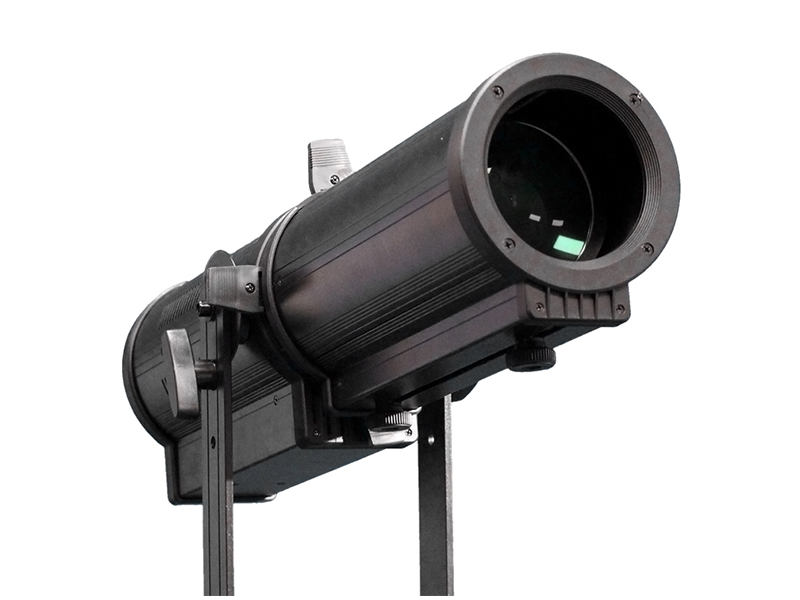
Spotlights are the surgical instruments of the lighting world. Unlike the fresnel spot, a spotlight uses a combination of a reflector and one or more plano-convex lenses to focus light into a tight, powerful column. This results in a beam that maintains its intensity over long distances, making it suitable for mounting on high catwalks or at the back of an auditorium. The hallmark of a spotlight is its "hard edge," which creates a clear boundary between light and darkness.
The internal mechanics of a spotlight allow for even more precision than a fresnel spot. Most professional spotlights include internal shutters that can be adjusted to shape the light into triangles, squares, or other polygons. They also feature a "gate" where a gobo can be inserted to project shapes, logos, or textures like leaves or windows. Key advantages include:
Isolation: Keeping the focus strictly on a performer in a dark environment.
Long Throw: Maintaining brightness across distances exceeding 30 meters.
Pattern Projection: Adding visual depth through the use of steel or glass gobos.
While a fresnel spot might be used to light a living room set on a film stage, a spotlight would be used to highlight the protagonist's face during a dramatic monologue. The intensity of a spotlight is often measured in "lux" at specific distances, and professional models often feature zoom lenses to adjust the beam diameter without losing the sharp edge. This level of control is essential for complex theatrical productions where lighting must be tightly choreographed with the movement of the actors.
The primary technical distinction lies in the beam's edge quality and the degree of control over the light's shape, where the fresnel spot offers soft blending and the spotlight provides rigid precision.
To better understand how a fresnel spot compares to a spotlight, it is helpful to look at their mechanical and optical properties side-by-side. While both are used for illumination, their "personality" on stage is vastly different. The fresnel spot is the "gentle" light, while the spotlight is the "aggressive" light.
When analyzing the fresnel spot, one must consider the keyword density and relevance in a technical workflow. The fresnel spot is often preferred for 4K and 8K digital cinematography because its soft fall-off reduces the digital noise often found in high-contrast shadows. Meanwhile, the spotlight is the king of live events, where the beam must cut through atmospheric haze or smoke to create "fingers of light."
Ultimately, the fresnel spot and the spotlight serve complementary roles. A typical B2B lighting package for a corporate studio will include a 70/30 mix of fresnel spot fixtures for general illumination and spotlights for specific branding or speaker highlights. This balance ensures that the subject is well-lit and "separated" from the background while maintaining a professional, polished look that avoids the "flat" appearance of low-quality LED panels.
Optimal lighting design requires the strategic placement of the fresnel spot for ambient texture and the spotlight for directional emphasis, ensuring a balanced and professional visual output.
In a professional studio or stage environment, the fresnel spot is usually the first light positioned. Designers use the fresnel spot to establish the "base" level of light. Because of the 10% keyword density of quality in these fixtures, the fresnel spot provides the reliable color rendering (CRI) needed for skin tones. If you are lighting a panel of three speakers, three fresnel spot units placed in a cross-lighting pattern will provide even coverage without harsh shadows between the subjects.
Once the base is set, the spotlight is introduced. The spotlight acts as the "key" or "accent" light. For example:
In theater, a "special" is a light used for a single moment in the play. This is almost always a spotlight rather than a fresnel spot. The ability to shutter the light exactly to a chair or a doorway ensures that the audience's focus is never lost.
For B2B events, a spotlight is used to project the company logo onto the floor or the wall behind the stage. Because the spotlight has a focused lens, the logo stays crisp and legible, something a fresnel spot cannot achieve due to its diffused nature.
When filming industrial machinery, a fresnel spot is often used to create a "rim light" that highlights the metallic edges of the machine. The soft fall-off of the fresnel spot prevents overexposure on reflective surfaces, whereas a spotlight might create "hot spots" or glare that ruins the shot.
In permanent installations, such as museum galleries, a fresnel spot provides a gentle wash over a large painting, while a spotlight is used to pinpoint a small sculpture, creating a dramatic sense of depth and importance.
The choice between a fresnel spot and a spotlight is not a matter of which light is "better," but which optical tool is correct for the specific task at hand. The fresnel spot remains the gold standard for soft, controllable, and natural illumination, making it a staple in film, television, and studio photography. Its ability to blend seamlessly and wrap light around subjects makes it indispensable for high-quality content production.
Conversely, the spotlight provides the precision, intensity, and shaping capabilities required for drama, isolation, and long-range throw. By understanding the mechanical differences—from the stepped lens of the fresnel spot to the shutter systems of the spotlight—lighting professionals can create more dynamic and visually compelling environments. Whether you are building a B2B studio or designing a world-class theater, integrating both fixtures will ensure your lighting is as professional as your content.
In the modern era of AI-driven search and digital clarity, the "cleanliness" of your lighting—provided by a well-placed fresnel spot—is more important than ever for capturing high-resolution imagery that stands out. Invest in high-CRI fixtures and remember that the magic of lighting happens in the balance between the soft wash and the sharp beam.