 English


Views: 0 Author: Site Editor Publish Time: 2025-12-15 Origin: Site


Behind the scenes of film and television production, the lighting system is a silent artist shaping the soul of the image. With the popularization of 4K/8K ultra-high-definition shooting, HDR imaging technology, and the growing demand for real-time performance in live variety shows, traditional fixtures can hardly meet the professional needs of modern studios. A technological innovation centered on "high color rendering index (CRI)" and "quiet fanless" is quietly changing the industry landscape, bringing creators more accurate color reproduction and a more immersive recording environment.
The Color Rendering Index (CRI) is a core indicator measuring a light source's ability to reproduce the true colors of objects, with a range of 0–100; the closer to 100, the more accurate the color reproduction. Traditional LED fixtures generally have a CRI between 80–90, while new-generation professional fixtures have exceeded 95, with some products reaching an industry-topping 98+. The TLCI (Television Lighting Consistency Index) standard launched by the International Commission on Illumination (CIE) further refines the requirements for film and television shooting, demanding that the color performance of fixtures under camera sensors be highly consistent with the reference light source.
In news interview scenarios, the host's skin tone appears naturally rosy rather than sallow or pale; on variety show stages, the gradient colors of actors' costumes are clearly layered; during product displays, the metallic luster of jewelry and the texture of fabrics are rendered in exquisite detail—all these delicate visual performances rely on the high CRI characteristics of the fixtures.
Early LED fixtures relied on fans for heat dissipation, generating 35–50 decibels of noise in quiet studio environments—equivalent to the volume of a soft conversation. In synchronous sound recording scenarios, fan rotation noise penetrates microphones, creating low-frequency hums that seriously affect audio quality. A reality show director recalled: "Once during an interview recording, the guest mentioned 'the lights are very bright,' but the synchronous sound was full of fan noise, so we had to re-record everything in post-production."
New-generation fixtures achieve silent operation through three major technological innovations:
Heat Pipe Conduction System: Utilizing the phase-change principle of copper heat pipes to quickly transfer heat from LED chips to large-area heat sinks.
Passive Heat Dissipation Design: Enhancing natural heat dissipation efficiency by increasing heat dissipation area (e.g., honeycomb fin structure) and using high thermal conductivity aluminum.
Intelligent Power Adjustment: Automatically adjusting brightness output based on ambient temperature to avoid overheating.
Test data shows that a certain fanless spotlight controls its surface temperature within 55°C at full power, with a noise level below 25 decibels—meeting library-level quiet standards.
In news studios, hosts can express emotions more naturally without noise interference; in documentary filming, synchronous sound captures more subtle environmental sounds; during children's program recordings, kids won’t feel nervous due to equipment noise. More importantly, the quiet environment reduces staff psychological pressure and enhances the overall creative atmosphere.
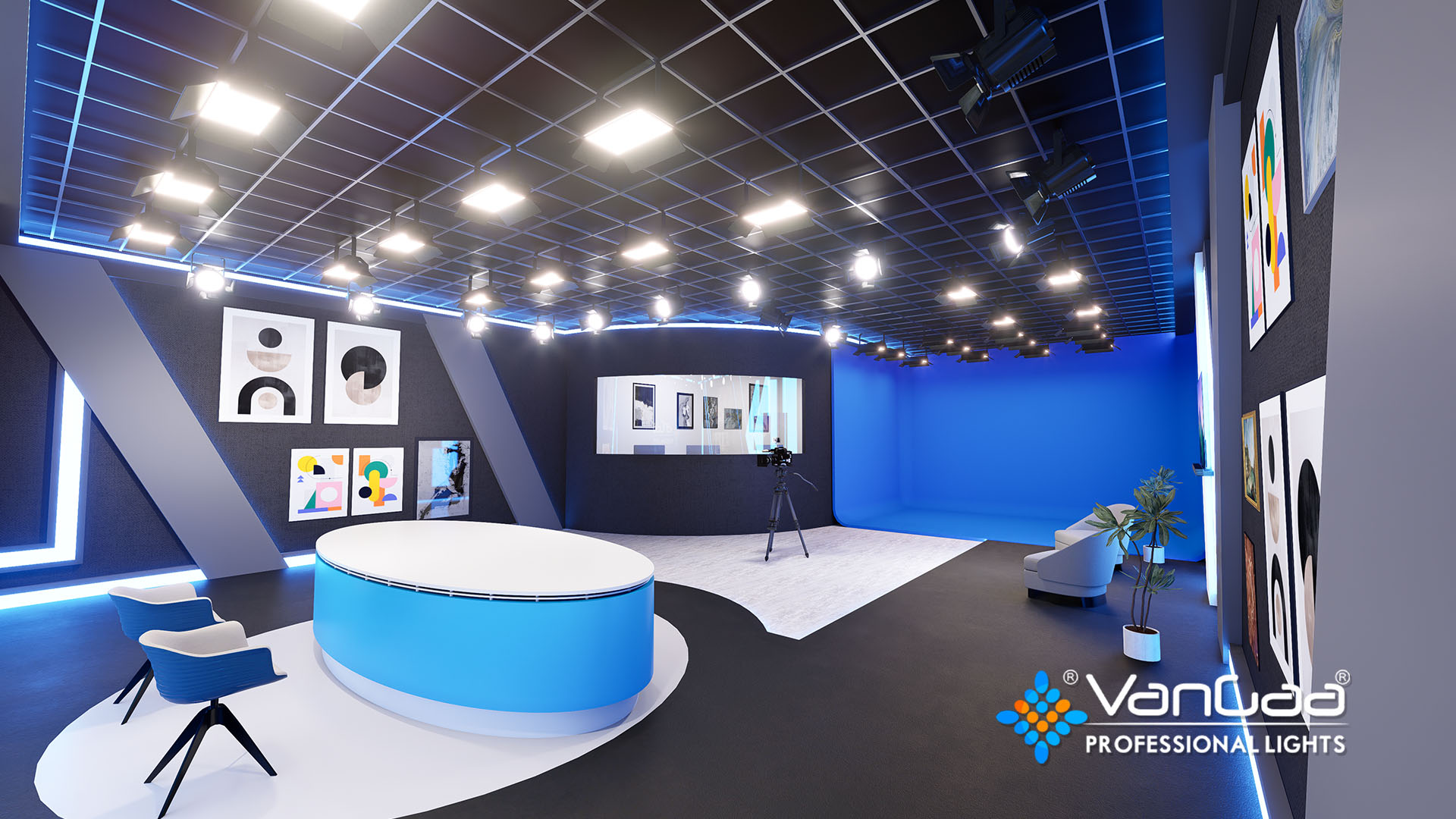
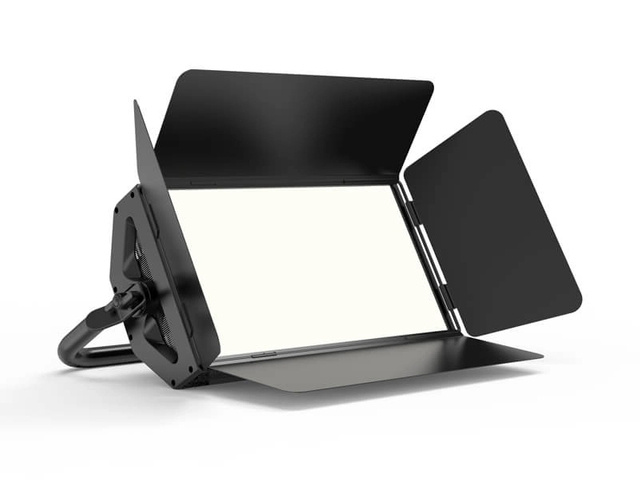
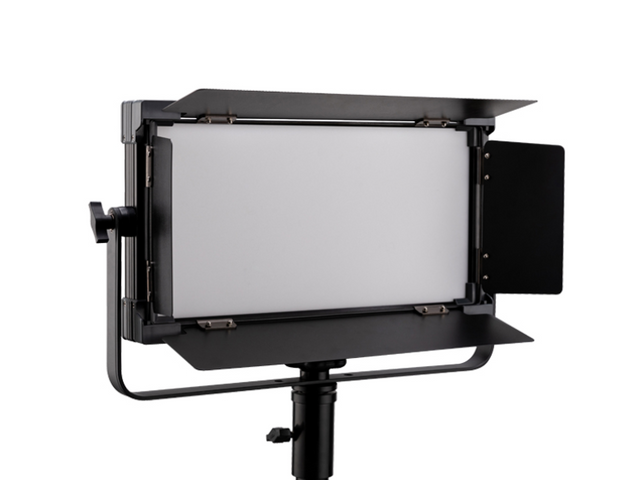
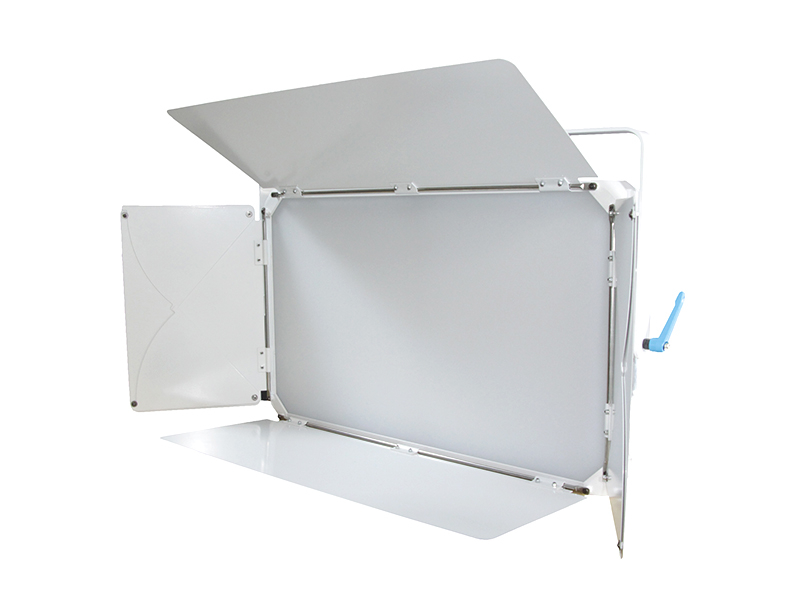
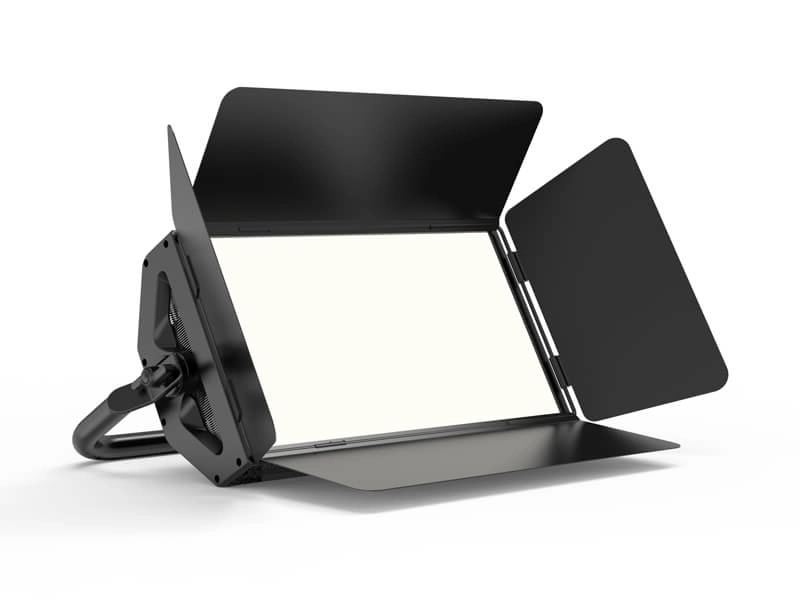
As the core device for basic studio lighting, panel lights feature a unique "soft diffuser + micro-prism array" design that ensures light uniformity (deviation <5%) while avoiding the spot phenomenon of traditional softboxes. A certain brand’s panel light supports the DMX512 protocol, enabling 0–100% stepless dimming and continuous color temperature adjustment (2500K–7500K) via a console to meet diverse scene needs.
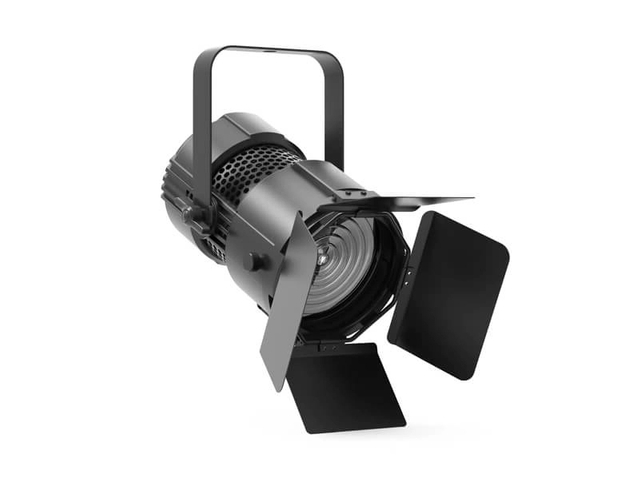
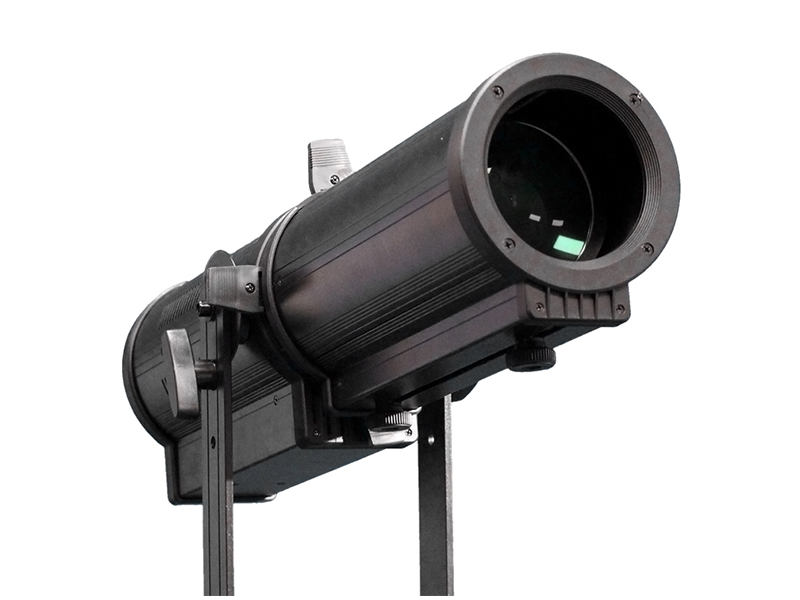
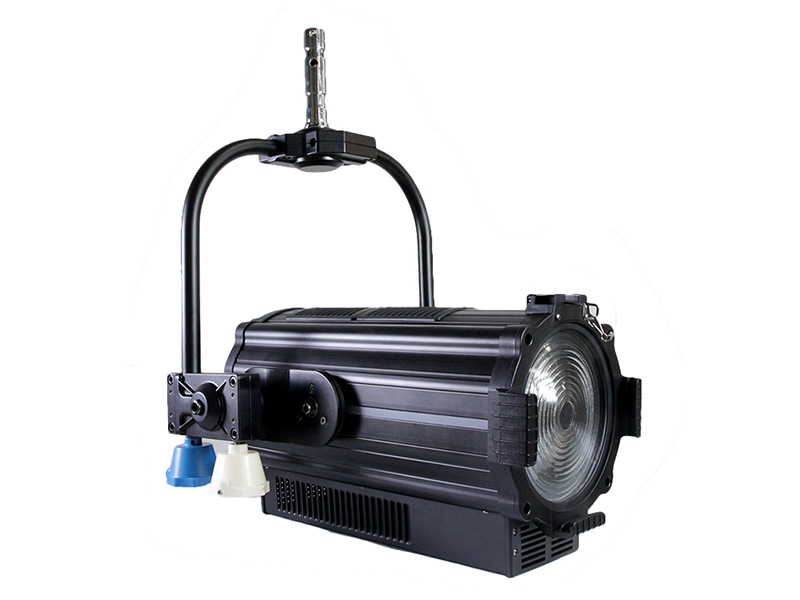
In scenes requiring subject emphasis (e.g., close-ups, product focus), spotlights are irreplaceable. New LED spotlights adopt an "asymmetric beam angle" design, achieving variable beam angle adjustment (15°–60°) through an optical lens group. For facial shots, a 24° narrow beam outlines clear contours; for stage illumination, a 45° wide beam provides ample ambient light.
Modern studio fixtures are no longer isolated devices but collaborate via intelligent control systems. An IoT-based lighting management platform presets multiple scene modes (interview, variety show, gala), synchronizing all fixtures’ brightness, color temperature, and projection angles with one click. A certain brand’s system even has a "learning function" that records directors’ manual adjustments to form personalized lighting schemes over time. This intelligence boosts efficiency and lowers the operational threshold for novice lighting technicians.
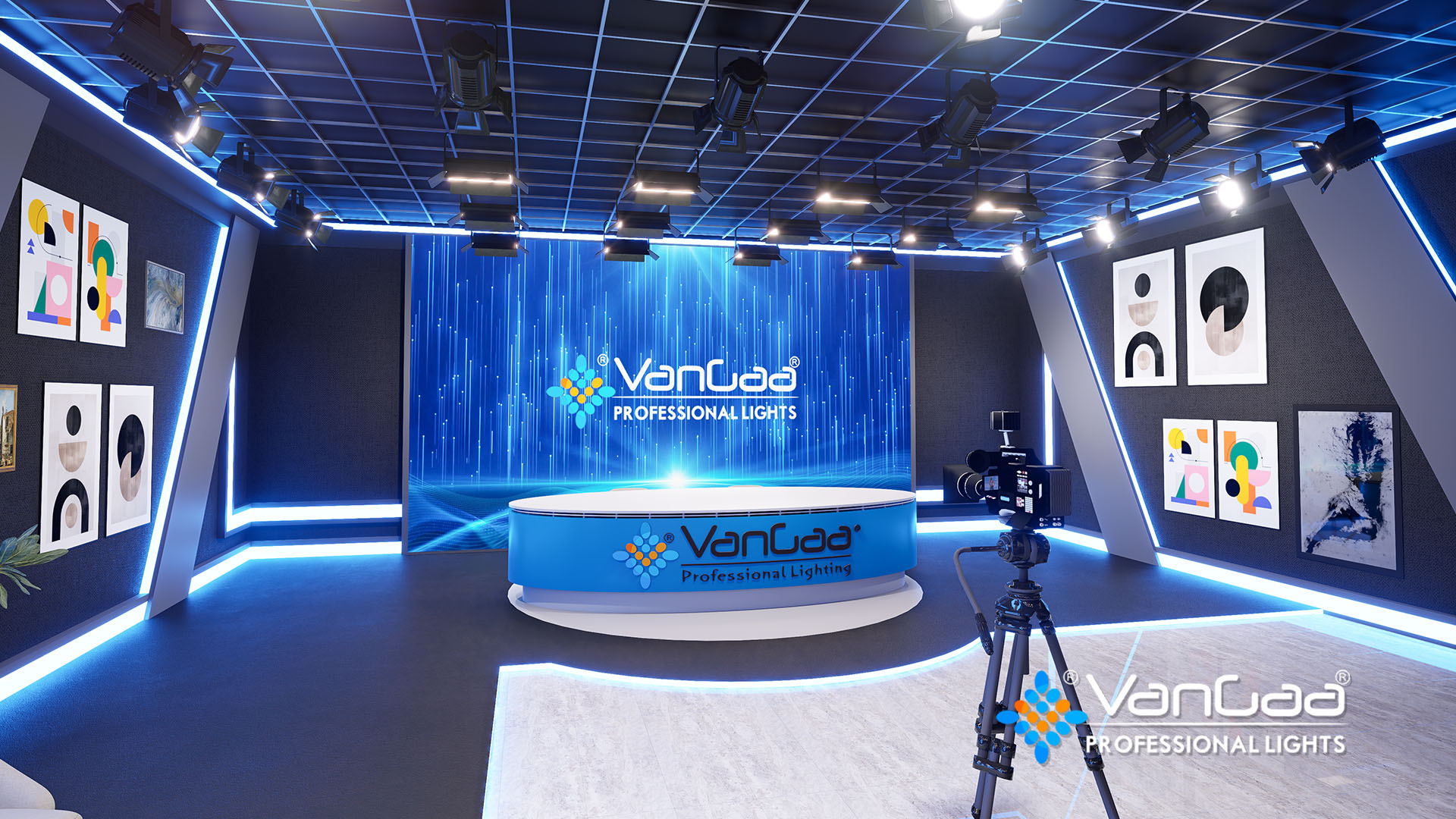
The application of high CRI and quiet fanless technologies is reshaping industry standards for film and television production. According to statistics, studios adopting new fixtures have seen an average 20% reduction in program production cycles, a 35% decrease in post-production color grading costs, and a 42% increase in audience satisfaction with image quality. More importantly, these technologies let creators focus on content itself rather than equipment flaws.
Looking ahead, with the maturity of Mini LED and Micro LED technologies, fixture energy efficiency will improve further, and smart fixtures integrating AI color correction may emerge. But regardless of technological advances, "true reproduction" and "undisturbed creation" remain the core values of lighting systems. As a lighting designer once said: "Good lighting should exist like air—you can’t see it, but you always feel its presence."
In this quiet lighting revolution, we witness not just technological progress, but the film and television industry’s reverence for artistic creation. When every beam of light conveys the creator’s intent precisely, and every shot captures the truest colors, film and television works can truly touch the hearts of audiences.