 English


Views: 0 Author: Site Editor Publish Time: 2026-01-16 Origin: Site


A school auditorium is the "multi-functional heart" of a campus, tasked with hosting the rigor of academic lectures, the focus of teaching-research meetings, the vitality of student performances, and the solemnity of award ceremonies. Traditional lighting designs often fall into a dilemma of "meetings feeling too stark and stages looking overly flashy." However, a five-light collaboration scheme—featuring panel lights, color wash lights, beam lights, imaging lights, and spotlights—enables seamless switching between "meeting mode" and "stage mode" through "basic foundation-laying + scenario segmentation + intelligent switching." This achieves the dual value of being "clear yet non-glaring, brilliant yet non-cluttered" in the same space.
The lighting of a school auditorium must address the essential differences between two scenarios:
Meeting Scenario: Centered on "information delivery," it requires uniform, glare-free, eye-protective, and low-fatigue light. Listeners need to focus on text, charts, or speakers’ faces for extended periods, demanding soft, stable light (illuminance: 300-500 lux), a neutral color temperature (4000K-5000K to enhance concentration), flicker-free and blue-light hazard-free performance, and clear, shadow-free facial illumination for speakers.
Stage Scenario: Centered on "emotional expression," it requires rich layers and controllable atmosphere. Performers need light and shadow to shape characters, backgrounds to set the mood, and audiences to immerse in visual narratives. This calls for directional light (follow spots, contour lights), adjustable colors (RGBW mixing), dynamic effects (coloring, beams, pattern projection), and flexible illuminance (100-1000+ lux).
The key to five-light collaboration lies in: using panel lights for the basic foundation, imaging/spotlights for detail focus, and color wash/beam lights for atmosphere creation, with intelligent control enabling one-click switching between "meeting mode (toned down)" and "stage mode (activated)."

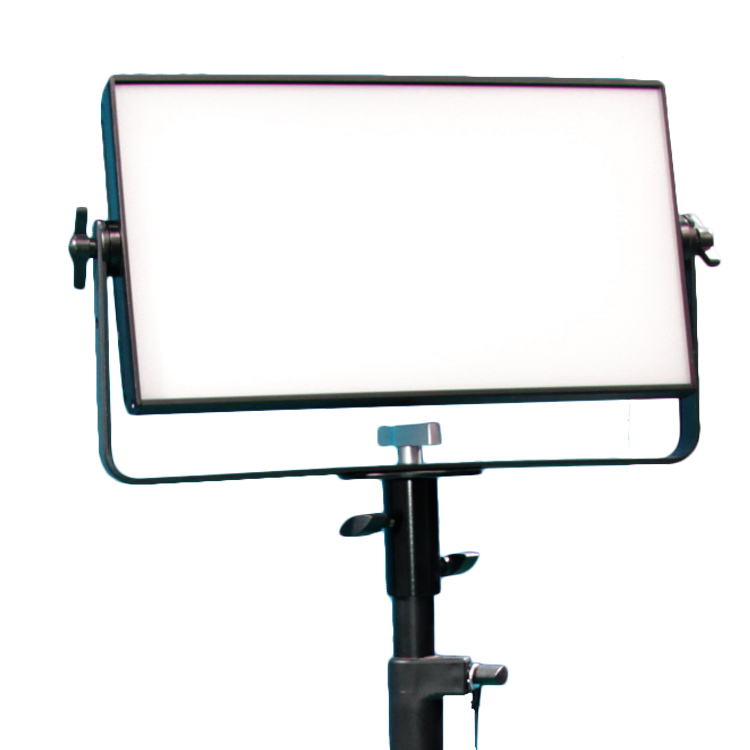
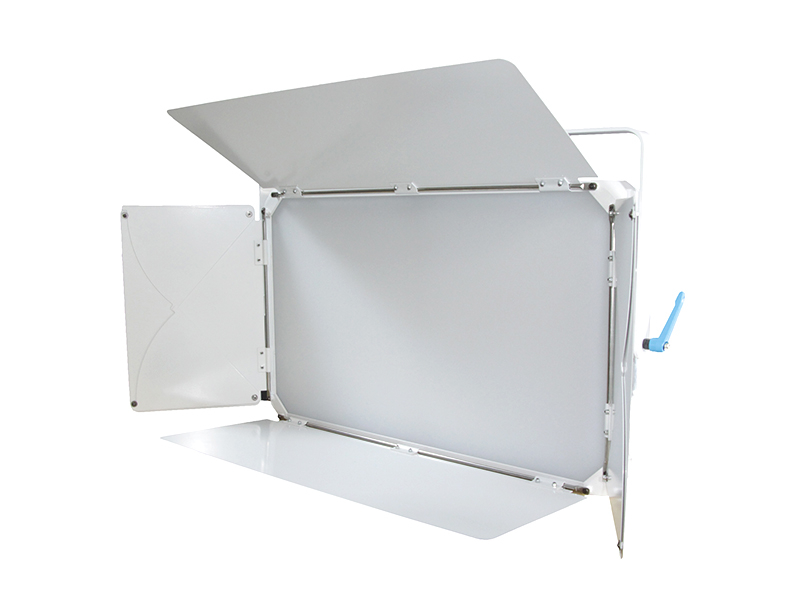
Core Function: Serve as basic illumination covering the stage area, ensuring a "minimum brightness sense of security" for dual-mode scenarios.
Dual-Mode Application:
Meeting Mode: Fully activate panel lights (embedded installation with anti-glare grilles), 4000K neutral white, 300-400 lux illuminance, uniformly lighting the stage with no dark corners or glare.
Stage Mode: Dim to 100-200 lux as "ambient light" to avoid interfering with performance focus, retaining only basic brightness to maintain spatial perception.
Selection Criteria: High Color Rendering Index (CRI ≥ 90) LED sources, 30-40W/㎡ power, diffusion panels for uniform light spots (uniformity > 85%), and flicker-free certification (e.g., IEEE 1789 standard).
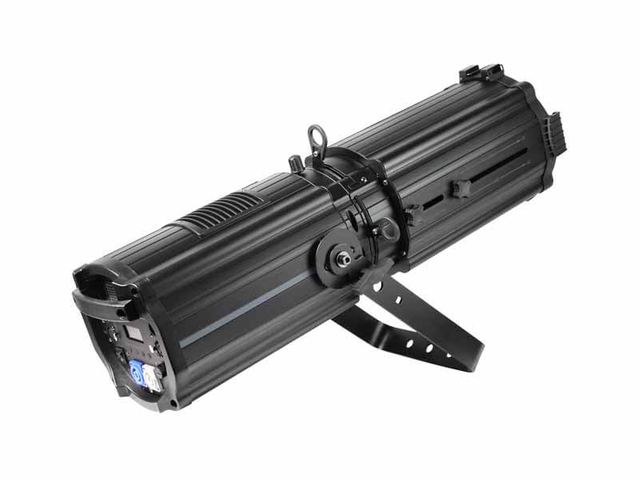
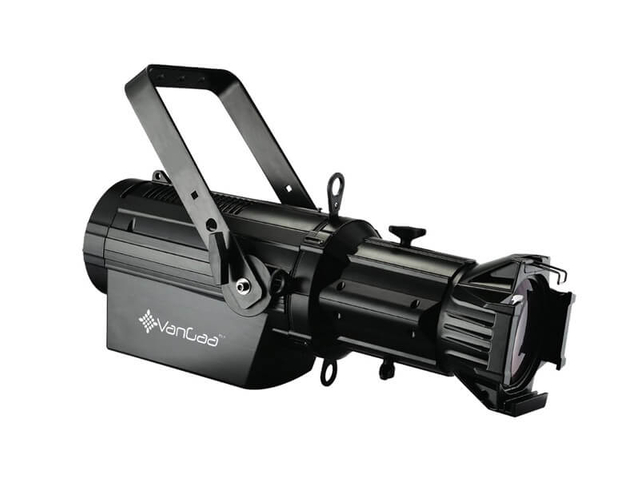
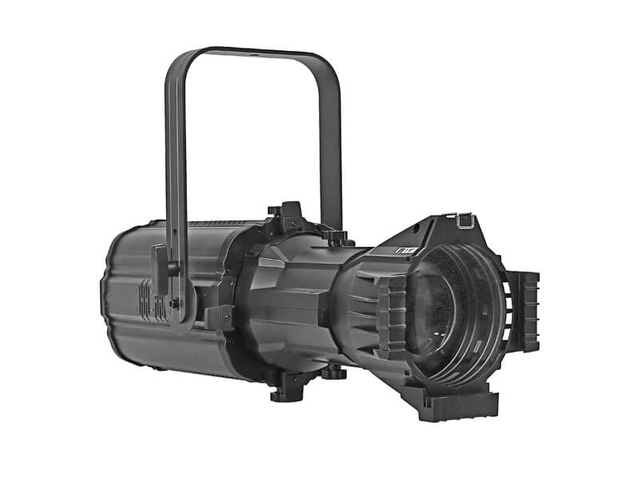
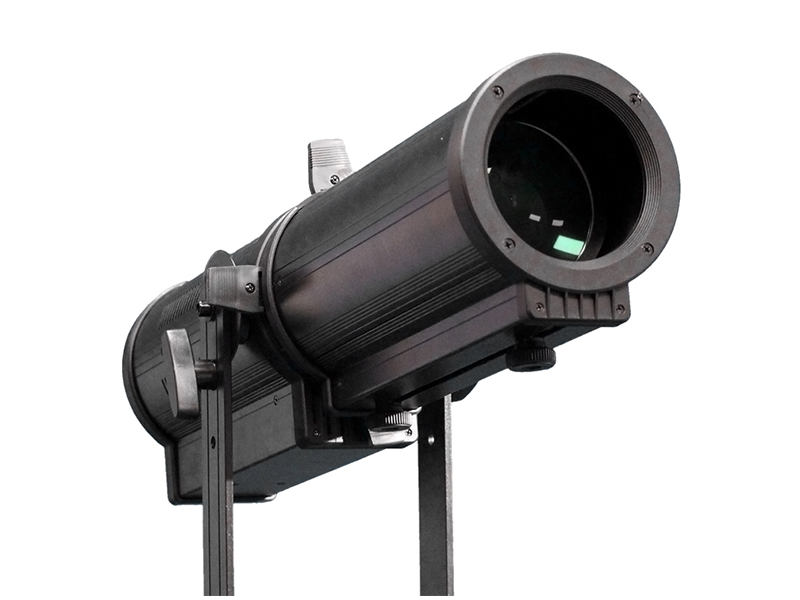
Core Function: Achieve "precise lighting where needed" through adjustable light spots (circular/rectangular/irregular) and cutting functions.
Dual-Mode Application:
Meeting Mode: Act as "speaker's face lights," placed on the stage front edge (45° upward projection), 30-50cm diameter spots (matching facial contours), 4000K color temperature, CRI ≥ 95 to restore true skin tones, and eliminate eye socket shadows.
Stage Mode: Act as "contour/detail lights," outlining performers’ shoulder-neck lines with narrow beam angles (10°-19°).
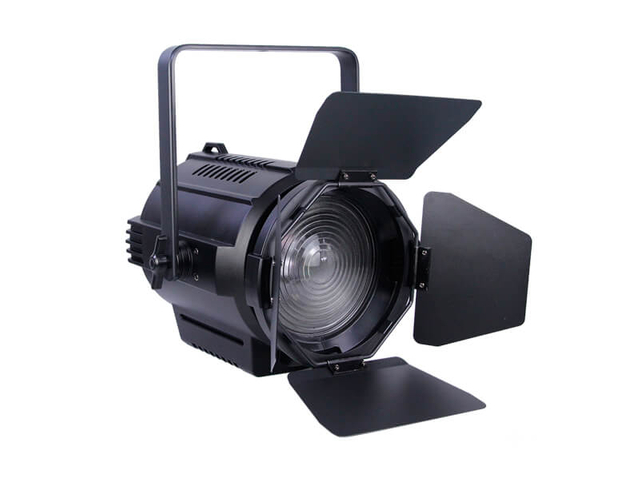
Selection Criteria: 200W LED imaging lights (switchable beam angles: 19°/26°/36°), fanless silent design (to avoid disturbing meetings), CRI ≥ 95.
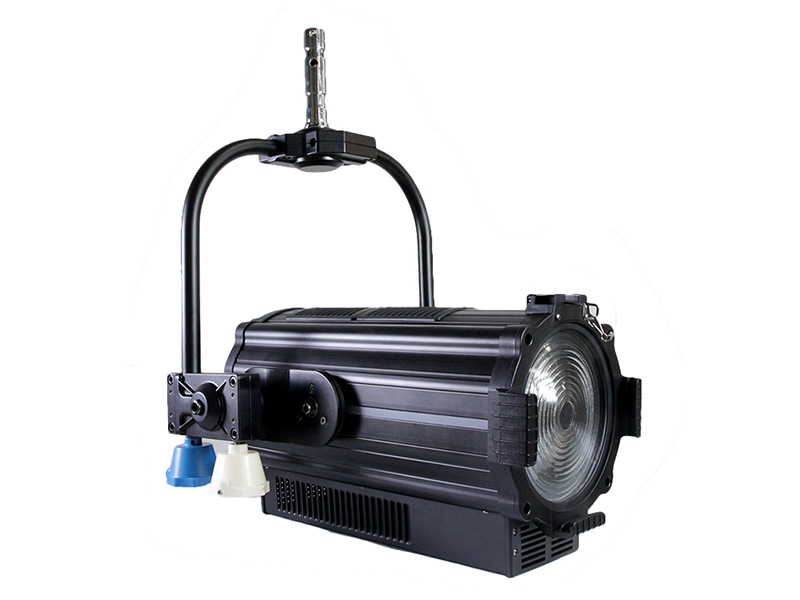
Core Function: Achieve "large-area uniform soft light" through high-brightness wide beams + soft light design, suitable for full-attendee illumination in meetings and basic light coverage for stage backgrounds/performance areas.
Dual-Mode Application:
Meeting Mode: Act as "full-attendee face lights," projected from low positions at the stage front or audience sides (height 1.5-2m), with spots covering all attendees’ faces, CRI ≥ 90 to restore natural skin tones, and eliminating "half-face shadows" in group photos.
Stage Mode: Act as "performance area soft lights," installed at the stage rear or ceiling (height 3-4m), 45°-60° wide beam angles with soft light covers, illuminating background boards (e.g., school motto walls, curtains) or performance area floors (200-300 lux), providing a "soft light base" for color wash/beam effects to avoid harsh spots.
Selection Criteria: Wide-beam (≥30°) spotlights with soft light covers, 150-200W power (balancing brightness and softness), fanless silent design, CRI ≥ 90, adjustable color temperature (4000K for meetings, 2700K-3500K for stages).
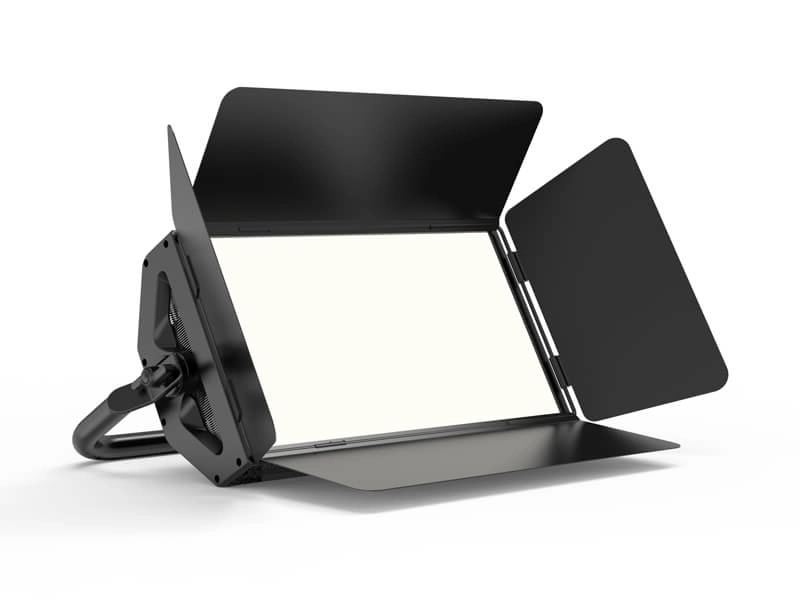
Core Function: Render large-area background colors to switch moods with program types (e.g., lively, dreamy, solemn).
Dual-Mode Application:
Meeting Mode: Turned off or dimmed to 10% output, serving only as "ambient color supplement" (e.g., 2700K warm white for a cozy discussion atmosphere), avoiding interference with information delivery.
Stage Mode: Act as "main background lights," installed at the stage rear ceiling, RGBW mixing (16 million colors), achieving single-color gradients, multi-color blending, and dynamic breathing effects via DMX control.
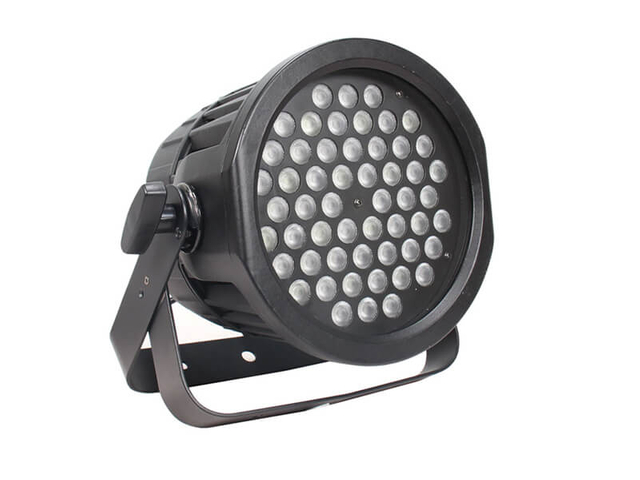
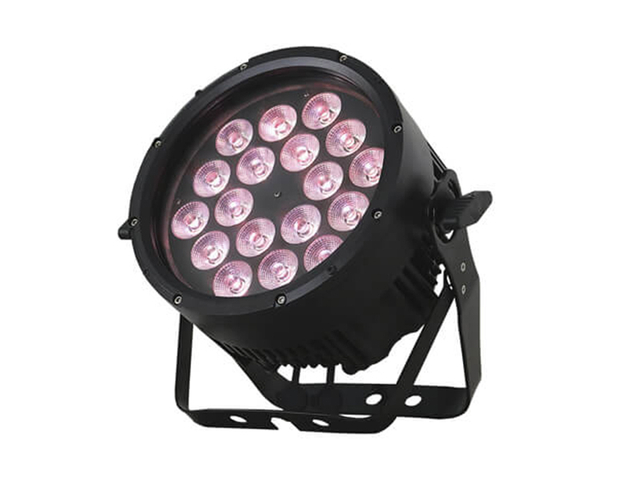
Selection Criteria: LED color wash lights (e.g., PAR lights, moving-head wash lights), linear dimming (stepless brightness adjustment).
Core Function: Project narrow beams into the air, combining prisms and gobo plates to create "spatial light sense" and enhance stage visual impact.
Dual-Mode Application:
Meeting Mode: Fully turned off to avoid beam interference with meeting order.
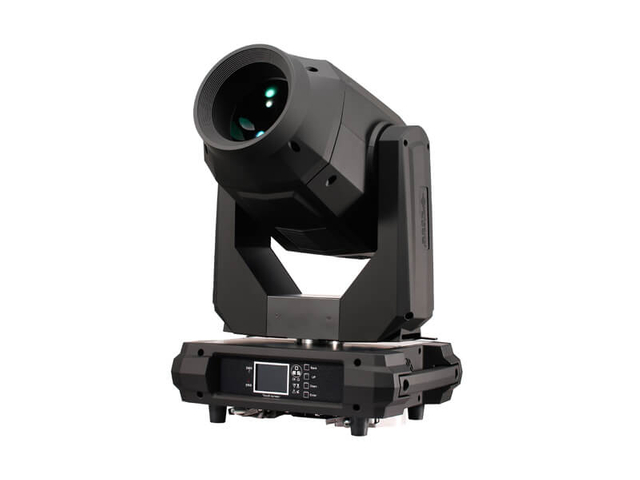
Stage Mode: Act as "dynamic effect core," with moving-head beam lights installed on stage ceiling trusses, supporting 360° rotation, prism effects (8-prism splitting into "starbursts"), gobo plates (projecting school emblems, geometric textures), and rhythm-synced effects (e.g., opening "beam sweep" for momentum, climax "prism + coloring" overlay).
Selection Criteria: "Beam + wash + gobo" 3-in-1 moving-head lights, lightweight (easy truss installation), noise < 25dB (avoid disturbing performances), Art-Net protocol support for intelligent systems.

Audience Area (Primary Meeting Zone): Based on panel lights, with imaging/spotlights focusing on the speaking area, and color wash/beam lights turned off to ensure unobstructed sightlines and no stray light.
Stage (Dual-Mode Core Zone): Acts as a "reporting area" during meetings (imaging lights for face light + spotlights for speakers + panel lights for basics); acts as a "performance area" during stages (activating color wash lights for backgrounds + beam lights for aerial dynamics + spotlights for soft light bases + imaging lights for contours), with physical division via liftable curtains (if available).

The five-light collaborative design for school auditoriums is the art of balancing "function and aesthetics": panel lights lay the "basic sense of security," imaging/spotlights carve "detail focus," and color wash/beam lights unleash "atmosphere imagination." When academic lectures delve deeply under clear light, and student performances bloom in dynamic light and shadow, this "switchable light" truly becomes a witness to campus vitality—it does not define scenarios but empowers every possibility, letting knowledge transmission and youthful blossoming meet their better selves in just the right light.