 English


Views: 0 Author: Site Editor Publish Time: 2025-12-22 Origin: Site


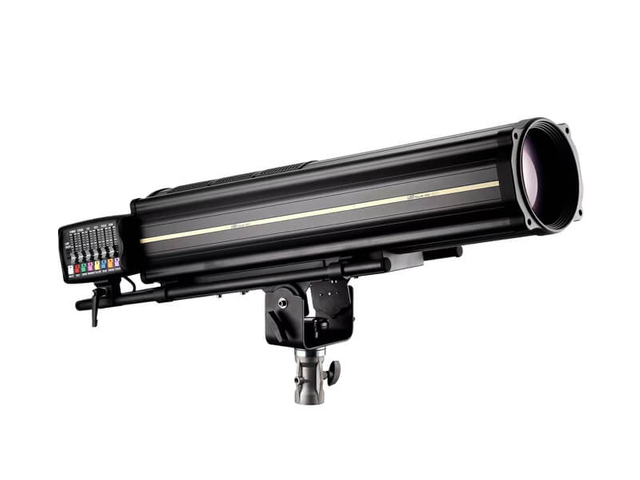
In the compact world of the stage, a followspot acts like a silent director, weaving the breath of drama with trails of light. It’s not just a cold lighting tool—it’s the soul of stage aesthetics. From the poetic stages with flickering candlelight in Shakespeare’s time to the dazzling mega-theaters of modern Broadway, the evolution of followspots mirrors humanity’s endless pursuit of stage art.
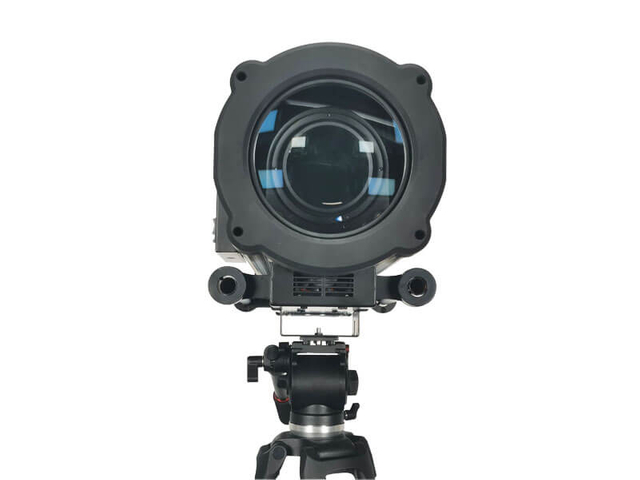
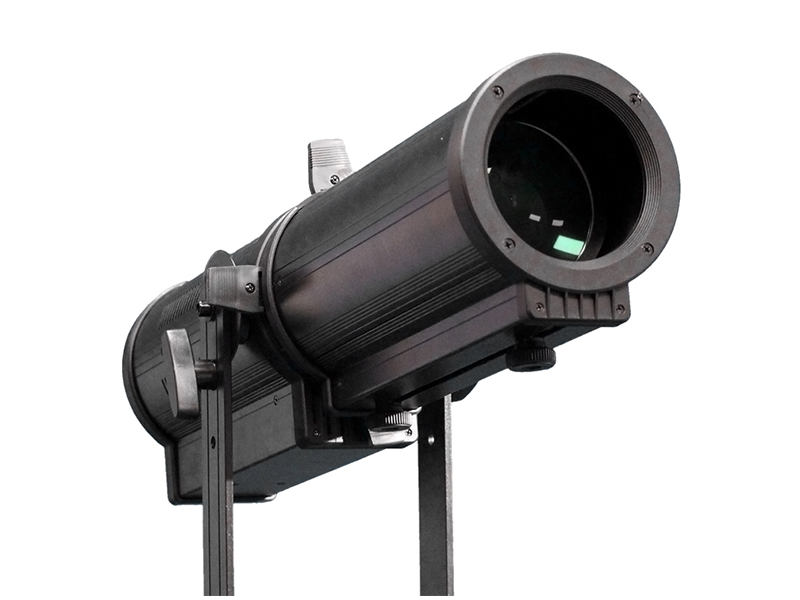
When the entire stage sinks into darkness, the followspot becomes a precise visual anchor. With its high-brightness beam (typically 1KW-2KW), it carves out a circular light area of 3-5 meters in diameter, locking the audience’s eyes on the performer. Its lens imaging technology holds more ingenuity: by adjusting the combination of aperture and lenses, it can switch between a sharp, blade-like dramatic beam and a soft, gauze-like diffused effect—perfect for everything from tragic monologues to joyful group dances. Once, a dancer spun in the followspot, where the beam used a gradient aperture to mimic moonlight pouring onto a lake. Each light pattern flowed with her toes, making body language dance with light and shadow, becoming a visual poem etched in the audience’s memory.
A followspot’s power to shape space goes far beyond the flat spread of ordinary lighting. By subtly adjusting the angle of the light cone, designers carve out 3D narrative layers on the vertical stage—narrow beams cut through fog like scalpels to highlight core conflicts, while wide beams spread like ink wash painting to render mood and unfold historical context. When the edge of the light spot overlaps with an actor’s silhouette, it creates a soft edge similar to the “natural halo” in photography—this intentional “happy accident” often becomes the highlight of the stage picture. Even better is coordinating multiple lights: two beams crossing at a 30-degree angle cast a diamond-shaped light area behind the actor, like a glowing suit of armor; where three light spots overlap, rainbow hues appear due to light diffraction, instantly giving the physical space a magical texture.
The color system of modern followspots has long surpassed the simple classification of “red, yellow, blue” and advanced to an emotional regulation technique at the psychological level. Cool tones (blue/purple) with a spectral frequency of 380-495THz can inhibit adrenaline secretion, perfectly setting a suspenseful atmosphere. Warm tones (orange/red) with electromagnetic waves of 620-750THz stimulate dopamine release, injecting passionate tension into climactic scenes. Color mixing shows even more ingenuity: amber (590nm) and magenta (500nm) mixed in a 1:3 ratio create a golden glow like dusk; red and blue light flashing alternately at 0.2-second intervals make the audience “see” a moving purple spot through the persistence of vision. These “unnatural” light-color combinations are just like abstract paintings touching people’s hearts with non-representational elements—followspots tell emotional stories truer than reality with “impossible light.”
Standing before the beam of a followspot, what do we see besides an optical instrument? It is another grammar for humans to perceive the world. It turns quantifiable physical parameters (light intensity, wavelength, angle) into unspeakable emotional carriers, making abstract artistic ideas take shape as concrete light and shadow realities. When designers wield light like poets and blend colors like painters, followspots break free from their tool nature and become a bridge connecting reason and emotion, reality and fantasy. In this theater built by light and shadow, every movement of light is an unfinished poem, waiting for the audience to complete the final rhyme with their imagination—and that is the most touching magic of stage art.