 English


Views: 0 Author: Site Editor Publish Time: 2026-07-12 Origin: Site


What is the difference between LED light and spotlight?
Many buyers ask this question when choosing lighting for a room, stage, studio, retail area, or event space. The terms sound similar, but they do not mean the same thing.
An LED light refers to the light source technology. LED means “light-emitting diode.” It can be used in many fixtures, including bulbs, panels, strips, floodlights, downlights, stage lights, and spotlights.
A spotlight refers to the beam style and lighting purpose. It focuses light on a specific area, object, performer, product, or display. It is about direction and control.
So the real question is simple: do you need broad illumination or focused directional lighting?
This difference matters in homes, retail spaces, theatres, studios, events, and performance venues. A general LED light can make a space visible. A spotlight can draw attention to a selected subject.
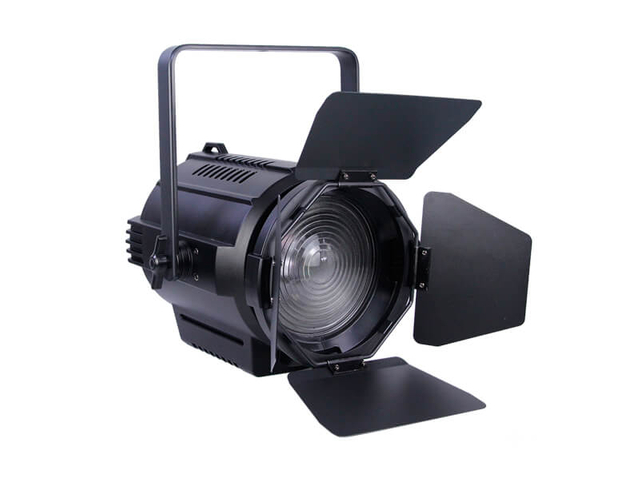
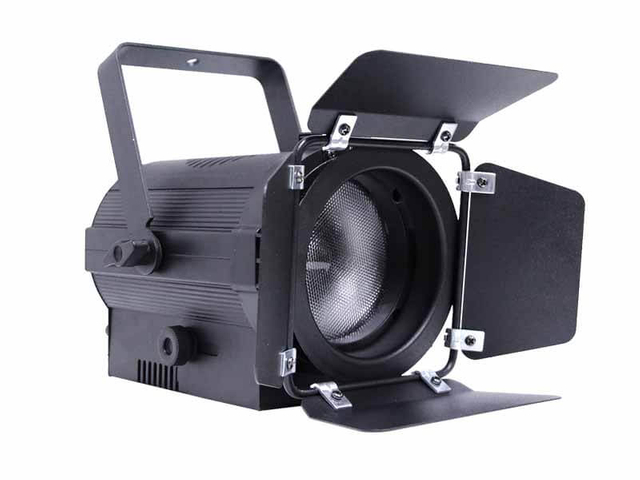
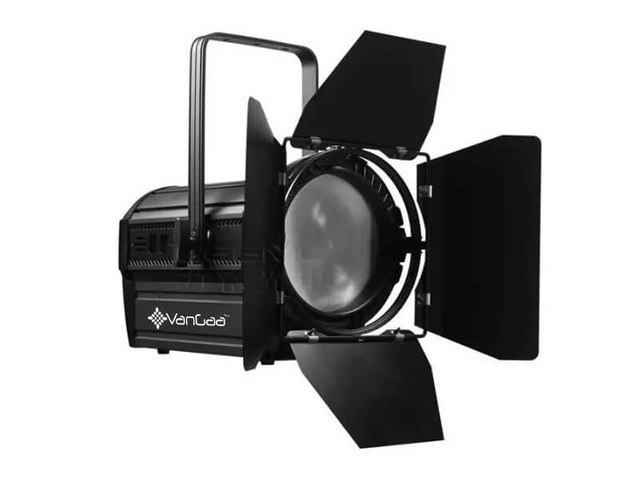
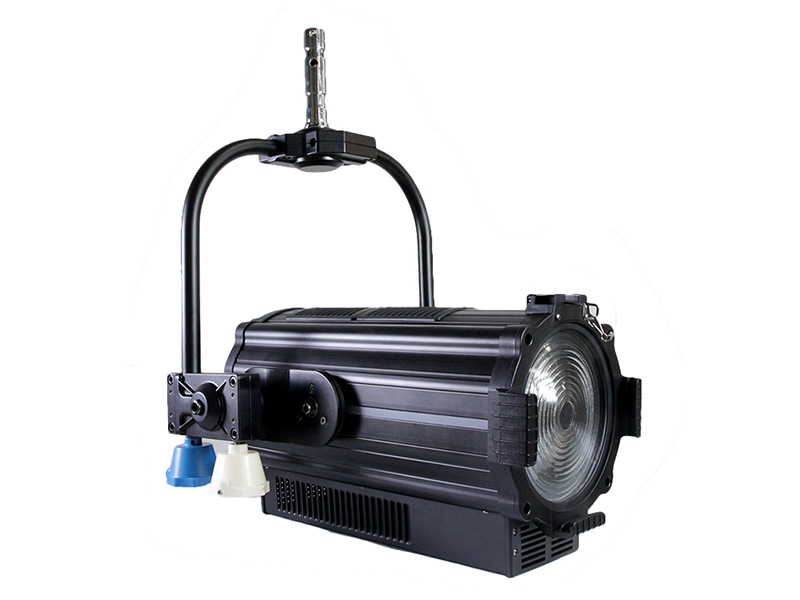
For professional stage and studio projects, an LED Fresnel Spot Light offers a more advanced spotlight-type solution. It uses LED technology, while providing soft Fresnel beam control for theatre, studio, worship, and performance lighting.
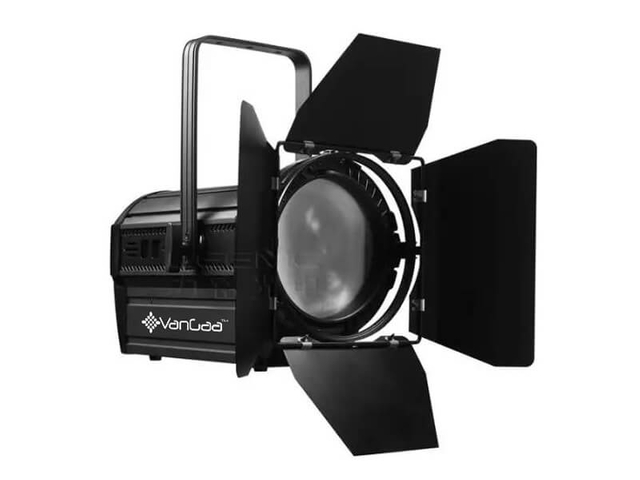
VanGaa provides LED stage lighting products for buyers comparing spotlight, Fresnel, wash, and beam-control fixtures. Buyers can also explore LED Fresnel Spot Light options for soft and controllable professional lighting.
This article explains LED light meaning, LED spotlight definition, beam angle differences, light distribution, application differences, energy cost, maintenance, and when to choose an LED Fresnel Spot Light.
Note: LED describes the source technology; spotlight describes the beam purpose.
An LED light uses light-emitting diode technology.
This technology can power many different fixture types. It may appear in a ceiling bulb, panel light, strip light, floodlight, downlight, stage light, or LED spotlight.
So, “LED light” is a broad term. It does not tell you the beam shape by itself.
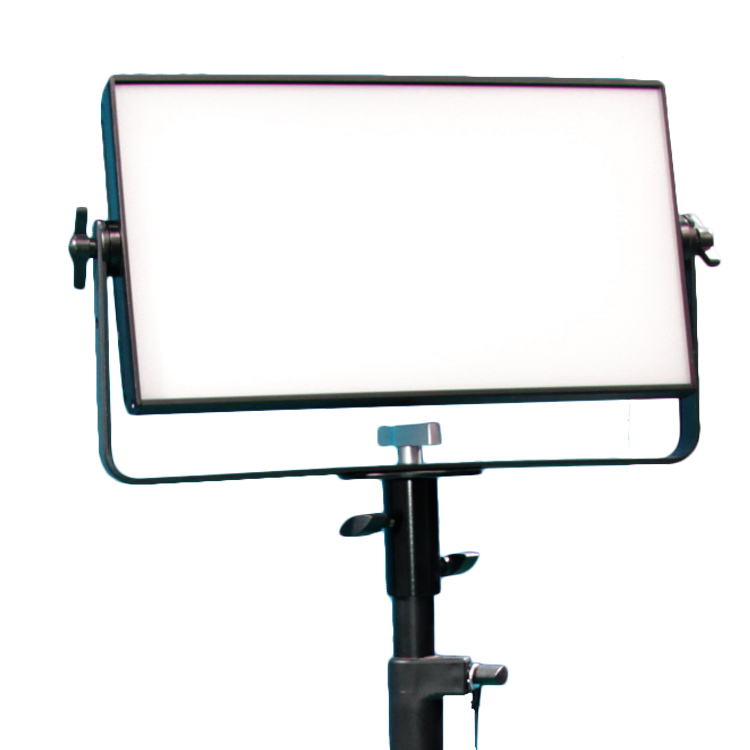
An LED fixture may create wide light, soft light, narrow light, or directional lighting. The final effect depends on the optics, lens, reflector, housing, and control system.
A spotlight directs light toward one chosen area.
It usually has a narrower beam angle than general lighting. It does not try to light the whole space evenly. Instead, it focuses attention.
This makes spotlights useful for accent lighting, display lighting, product highlighting, stage focus, and visual emphasis.
For example, a spotlight can highlight a painting, speaker, product, singer, or stage position.
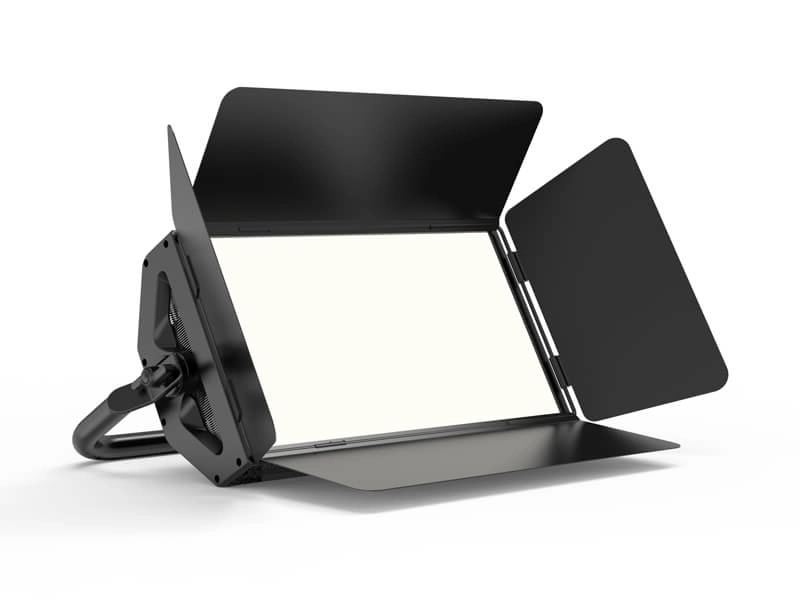
General LED lights often spread light across a larger area.
They are designed for comfort, visibility, and even coverage. They work well when the goal is to make a room, corridor, or work area bright.
Spotlights work differently. They concentrate light on a selected object or zone. This creates stronger contrast and clearer focus.
This is one of the most important points in LED light vs spotlight selection.
Beam angle affects how wide the light spreads.
General LED lights often have wider beam angles. They cover more area but create less visual focus.
Spotlights usually have narrower beam angles. They cover less area but appear more intense on the target.
A narrow beam angle is useful for long throws or precise highlights. A wide beam angle is better for broad coverage.
General LED lighting creates visibility and comfort.
It helps people move, work, read, shop, or use a space safely. It usually feels balanced and practical.
Spotlights create attention, contrast, and drama.
They can make artwork stand out. They can focus on a product display. They can isolate a theatre actor. They can shape a studio subject.
The visual goal decides the better choice.
LED lights are often used for general lighting.
Spotlights are used for task, accent, display, or performance lighting. In professional projects, this difference affects fixture layout and control planning.
A venue may use both. General LED lights provide base visibility. Spotlights add focus, hierarchy, and mood.
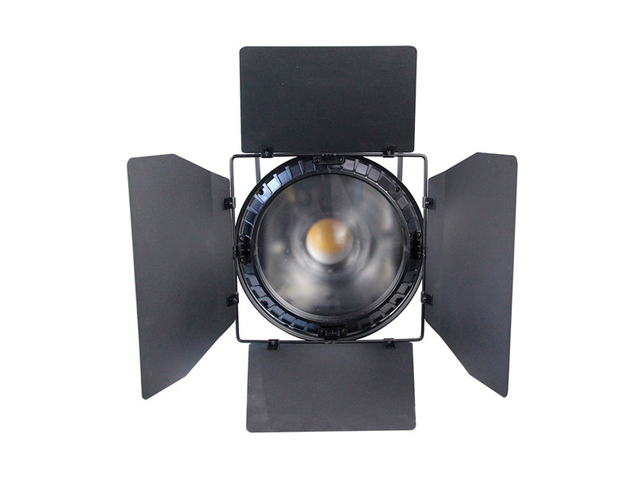
An LED Fresnel Spot Light is a professional LED spotlight fixture.
It uses LED technology, but it provides Fresnel-style beam shaping. This means it can offer soft edges, adjustable beam spread, dimming, and stage-friendly control.
It fits projects where basic LED spotlights feel too harsh. It also works when general LED lights cannot create enough focus.
Factor | General LED Light | Spotlight | LED Fresnel Spot Light |
|---|---|---|---|
Main Meaning | LED technology | Focused beam | LED Fresnel spotlight fixture |
Beam Style | Often wide | Narrower and focused | Adjustable, soft-edged |
Main Use | General lighting | Accent or target lighting | Stage and studio lighting |
Visual Effect | Comfort and visibility | Focus and contrast | Soft focus and control |
Control Needs | Usually simple | Medium | Professional control |
Tip: Start with the lighting purpose before comparing fixture models.

An LED light uses semiconductor technology to produce light.
LED is not one fixture type. It is a light source used inside many products.
This is why the term can be confusing. A buyer may say “LED light,” but they may mean a bulb, panel, strip, floodlight, or stage fixture.
LED lights are popular because they use less power than many older light sources. They also offer long service life and lower heat output.
LED technology is used in many fixture forms.
Common LED light types include:
LED bulb
LED panel
LED strip
LED downlight
LED floodlight
LED spotlight
LED stage light
LED moving head light
LED Fresnel Spot Light
Each type has a different beam shape and application.
General LED lights are used for wide illumination.
They are common in homes, offices, retail stores, warehouses, corridors, schools, outdoor areas, and event spaces.
They help people see the full space. They are usually selected for comfort, safety, energy savings, and long-term use.
For example, an LED panel may light an office evenly. An LED strip may add indirect light under a shelf. An LED floodlight may cover a wide outdoor area.
LED technology is now common in stage lighting.
It helps reduce power use and heat. It can also support DMX control, color mixing, dimming, and longer service life.
This is useful for theatres, studios, churches, schools, events, and touring teams.
Professional LED stage lighting may include wash lights, moving heads, profile lights, PAR lights, and LED Fresnel fixtures.
Note: LED technology improves efficiency, but fixture design decides beam behavior.
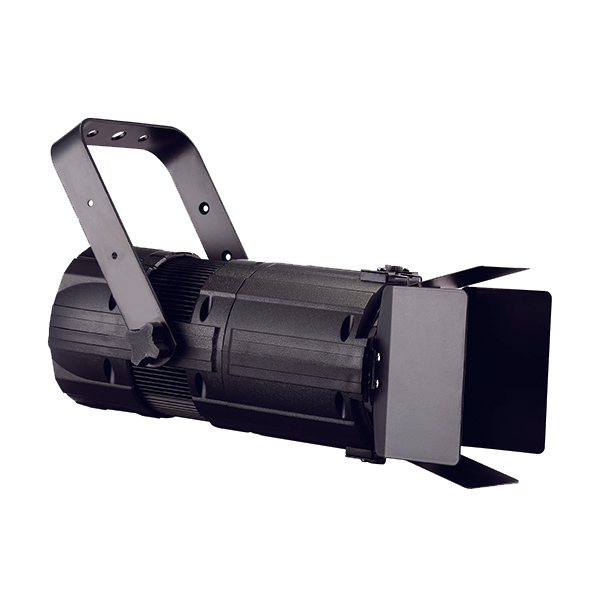
A spotlight is a fixture designed for focused lighting.
It directs light toward a selected subject or area. The purpose is not only brightness. The purpose is attention.
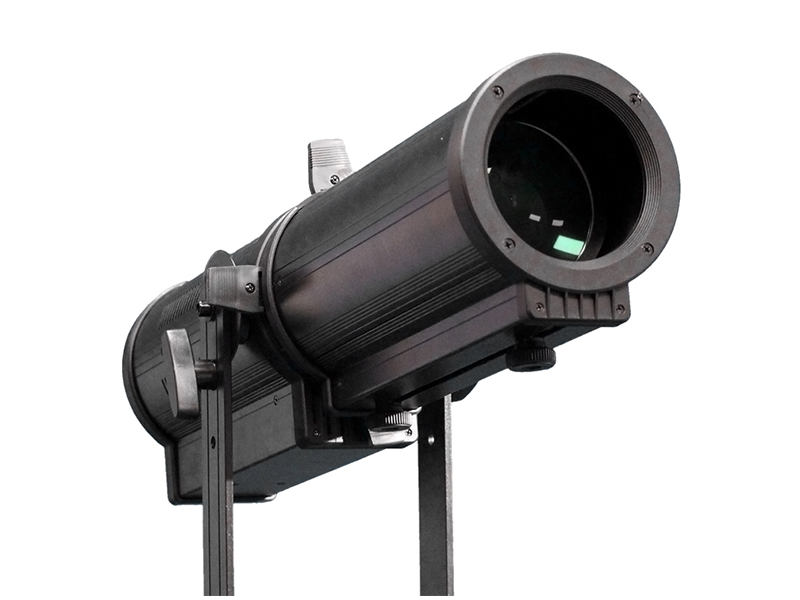
This is the simplest LED spotlight definition: it is a directional fixture used to focus light on a target.
Spotlights are common in galleries, shops, museums, theatres, studios, product displays, stages, and event venues.
An LED spotlight beam angle is usually narrower than general lighting.
A smaller beam angle creates stronger focus. It also makes the light appear brighter on the target.
However, a narrow beam covers less space. This means more fixtures may be needed for large coverage.
Beam angle selection depends on target size, mounting height, distance, and desired visual effect.
LED spotlight uses are broad.
They can highlight products in retail stores. They can light artwork in galleries. They can focus on speakers during events. They can separate performers from the background on stage.
In professional spaces, spotlights help create hierarchy. They tell the audience where to look.
A stage spotlight can support actor focus, dramatic moments, and visual storytelling.
Modern spotlights often use LED engines.
Traditional spotlights may use halogen, tungsten, or other lamp sources. These fixtures can create strong light, but they often use more power and produce more heat.
LED spotlights usually offer better energy efficiency, lower heat, and reduced maintenance.
For B2B buyers, this can mean lower running cost and simpler long-term operation.
Tip: Match the spotlight beam angle to the target size and throw distance.
An LED Fresnel Spot Light combines LED efficiency and Fresnel beam control.
It is not the same as a basic LED spotlight. A basic spotlight may create a harder or more concentrated beam. A Fresnel fixture usually creates softer beam edges.
This makes it useful for theatre, studio, worship, and performance lighting. It can light people more naturally while still offering direction.
Fresnel lighting usually gives a softer beam edge.
This means the edge fades gradually into the surrounding area. It can blend better with other fixtures.
Hard-edge spotlights are better for sharp cuts, strong highlights, or pattern projection. They create stronger separation and higher contrast.
A soft LED Fresnel Spot Light is better for actor lighting, interviews, wash lighting, and smooth stage coverage.
Beam control is critical in professional lighting.
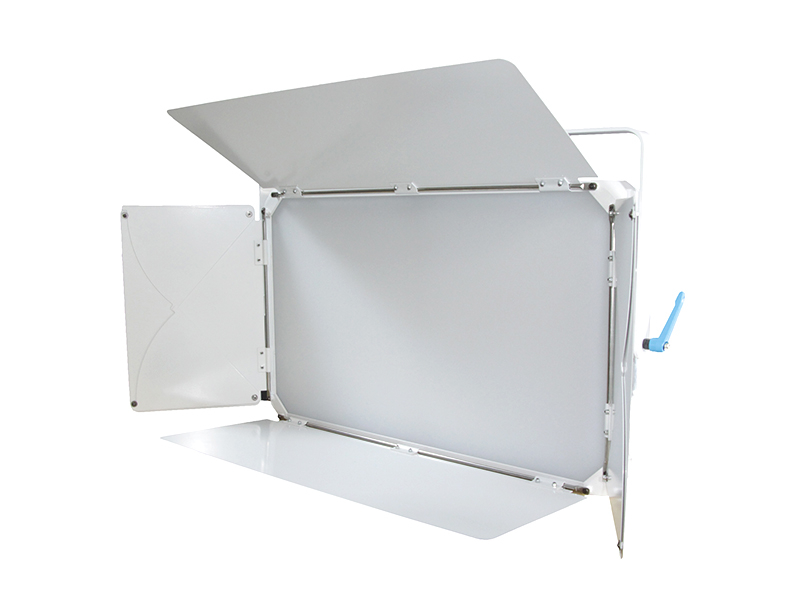
An LED Fresnel fixture may support adjustable beam spread, barn doors, dimming, DMX control, and color temperature options.
Barn doors help control spill. Dimming helps create smooth scene changes. Color temperature helps match cameras, skin tones, and other fixtures.
This makes the fixture more useful than simple general LED lighting.
Choose an LED Fresnel Spot Light when the project needs soft and controlled illumination.
It is useful for:
Theatre wash
Studio interviews
Church stages
School auditoriums
Livestream rooms
Soft performer lighting
Backlight and side light
Broadcast-ready stage lighting
It helps create focus without harsh beam edges.
Note: LED Fresnel fixtures are useful when soft control matters more than sharp cuts.
General LED lights are best for wide coverage.
They suit offices, rooms, corridors, warehouses, shops, and public areas. They make spaces safe and comfortable.
Use them when the goal is broad illumination, not visual focus.
For example, an LED panel can light a meeting room. It would not be the best choice for highlighting one speaker.
LED spotlights are best for accent and display lighting.
They can highlight artwork, products, shelves, signs, furniture, or architectural details. Their narrow beam helps draw attention.
Placement matters. If the beam angle is too narrow, the target may look too sharp. If it is too wide, the effect may feel weak.
Theatre and stage lighting needs more control.
An LED Fresnel Spot Light can provide soft actor lighting, side light, backlight, and stage wash. Its soft edge reduces harsh circles on the stage floor.
This helps performances look more natural and professional.
It also gives designers more flexibility during rehearsals and scene changes.
Studios need controlled, camera-friendly light.
LED Fresnel Spot Light fixtures can support interviews, livestream rooms, video studios, and broadcast sets. Their soft beam helps faces look cleaner on camera.
Color temperature and dimming control also matter. They help match the camera, background, and other lights.
Application | Best Fixture Choice | Main Reason |
|---|---|---|
Office or room lighting | General LED light | Wide, even coverage |
Product display | LED spotlight | Focused attention |
Gallery artwork | LED spotlight | Accent lighting |
Theatre wash | LED Fresnel Spot Light | Soft stage coverage |
Studio interview | LED Fresnel Spot Light | Camera-friendly soft light |
Outdoor area lighting | LED floodlight | Broad illumination |
Tip: Use general LED lights for visibility, and spotlights for attention.
Basic LED lights often cost less than professional spotlights.
LED spotlights may cost more because they need optics, beam control, and stronger housings. LED Fresnel Spot Light fixtures may cost more due to Fresnel lenses, dimming, DMX control, cooling systems, and professional build quality.
However, the lowest price is not always the best value. The fixture must match the real use.
LED-based products are usually more energy-efficient than halogen or tungsten fixtures.
A general LED light and an LED spotlight can both save energy. The difference depends on fixture power, output, beam angle, and use hours.
In stage venues, this becomes important. Many fixtures may run for rehearsals, events, broadcasts, or performances.
Lower power use can reduce circuit pressure and operating cost.
LED fixtures reduce frequent lamp replacement.
This helps theatres, schools, churches, studios, and rental companies. It lowers downtime and reduces maintenance work.
For fixtures mounted high above the stage, maintenance can be expensive. It may require ladders, lifts, and safety checks.
LED technology helps reduce those service needs.
B2B buyers should evaluate the full ownership cost.
Important factors include:
Fixture type
Beam angle
Control functions
Cooling design
Warranty
Installation cost
Energy cost
Maintenance cost
Fixture lifespan
Service support
A professional spotlight may cost more upfront. It may still save time and money over years of use.
Note: For professional venues, long-term value often matters more than unit price.
This is the most common mistake.
LED is the technology. Spotlight is the beam purpose. A spotlight can use LED, halogen, tungsten, or other sources.
An LED fixture can also be general lighting or focused lighting.
This means “LED light vs spotlight” is not always a direct category match. It is often a technology-versus-function comparison.
Wattage does not define beam effect.
A higher-watt fixture may not perform better if the optics are weak. A lower-watt fixture may perform well with better lens design.
Buyers should compare lumen output, lux data, beam angle, optics, dimming quality, and control features.
Exact output data should be marked as “needs verification” before purchase.
Beam angle and throw distance work together.
A narrow beam suits longer throws and focused targets. A wide beam suits broader area coverage.
Before quoting, buyers should prepare venue size, mounting height, target area, and fixture position.
Without this data, the fixture may be too weak, too wide, or too narrow.
Professional spaces often need better control.
Simple room lighting may only need on-off switching. Stage and studio projects may need DMX, dimming, color temperature control, flicker control, and quiet cooling.
Ignoring these needs can cause poor results during live shows or recordings.
Tip: Share drawings, throw distance, and control requirements before final selection.
The difference between LED light and spotlight is mainly meaning and purpose.
An LED light refers to the light source technology. A spotlight refers to focused beam direction. A spotlight can also be an LED spotlight if it uses LED technology.
Use general LED lights for broad illumination. Use LED spotlights for accent or focused lighting. Use LED Fresnel Spot Light fixtures for soft, controllable theatre and studio lighting.
For homes, offices, shops, and corridors, general LED lighting may be enough. For displays, galleries, stages, and subject highlights, a spotlight is more suitable.
For theatres, studios, churches, schools, event venues, and performance spaces, VanGaa can help buyers compare LED Fresnel Spot Light options based on beam angle, brightness, color temperature, control mode, cooling design, and installation needs.
Before selection, prepare venue size, throw distance, fixture quantity, lighting purpose, control system, and mounting position.
Explore VanGaa LED Fresnel Spot Light options for soft, controllable stage and studio lighting projects.
Contact VanGaa to discuss your stage lighting project requirements.
A: The main difference is that LED light refers to the light source technology, while spotlight refers to the beam purpose. A spotlight can use LED technology, but not every LED light is a spotlight.
A: No. An LED Fresnel Spot Light is a professional stage and studio lighting fixture that combines LED technology with Fresnel beam control for soft, adjustable illumination.
A: Common LED spotlight uses include highlighting artwork, products, speakers, performers, displays, and architectural features. Its focused beam draws attention to specific subjects.
A: A smaller beam angle creates stronger focus and appears brighter on the target. A wider beam covers more space but gives less intensity.
A: Choose an LED Fresnel Spot Light for theatre wash lighting, studio interviews, livestream production, church stages, and soft performer lighting.
A: Yes, typically. An LED Fresnel Spot Light costs more than a basic LED bulb or panel because it includes specialized optics, dimming control, DMX compatibility, and professional cooling.
A: This comparison helps buyers choose between general illumination and directional lighting. The right choice depends on broad coverage or focused emphasis.
A: The wrong fixture may cause weak focus, uneven stage wash, glare, or poor subject visibility. It can also affect camera image quality.