 English


Views: 0 Author: Site Editor Publish Time: 2026-07-23 Origin: Site


What is the difference between Fresnel light and spotlight?
This is a common question for stage, theatre, studio, TV, event, and performance lighting buyers. Both fixtures can direct light toward a subject. Both can be used on stage. Both can help shape a scene. However, they do not create the same visual result.
A Fresnel light can create a tighter beam. A spotlight can create focused illumination. This overlap often causes confusion. The main difference is beam quality and beam control.
A Fresnel light usually produces a soft, smooth beam. It blends well with other lights. A spotlight usually produces a harder, more focused beam. It is better for isolating one performer, object, or area.
For buyers comparing LED Fresnel Spot Light, LED spotlight, stage Fresnel light, theatre spotlight, and studio Fresnel light options, this difference matters. It affects fixture quantity, beam angle, dimming plan, stage mood, and final visual quality.
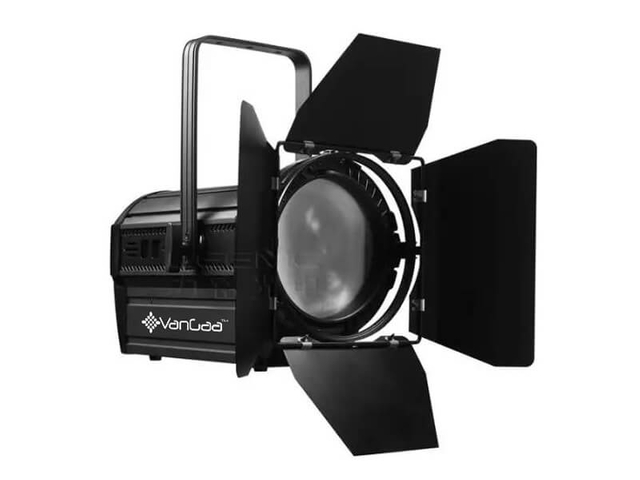
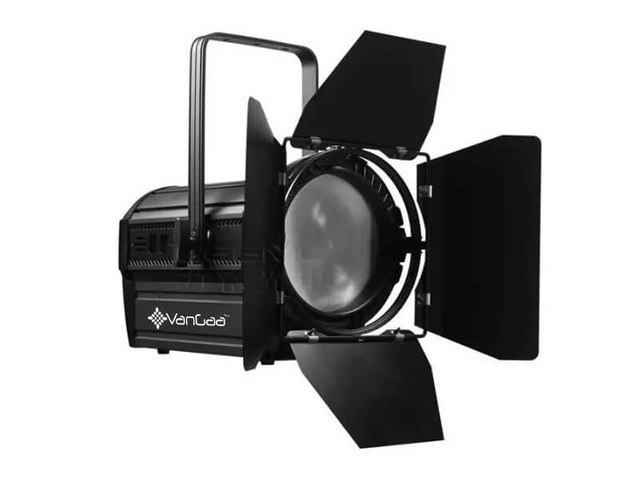
VanGaa provides stage and studio lighting products for theatres, events, studios, and performance venues. Buyers can compare LED Fresnel Spot Light options when they need soft, adjustable stage or studio lighting.
This guide compares Fresnel light vs spotlight by beam quality, beam edge, lens structure, beam angle, spot-flood adjustment, accessories, and practical application.
With over 13 years of experience in LED lighting, VANGAALED provides reliable LED Fresnel Spot Light solutions for theatres, studios, and performance venues worldwide.
Note: The right fixture depends on the visual result, not only wattage.

A Fresnel light usually creates a softer beam.
It gives a smooth wash across faces, backdrops, products, and stage areas. This makes it useful for fill light, backlight, studio key light, and theatre wash.
A spotlight usually creates a stronger and more concentrated beam. It gives more visual focus. It is useful when the lighting designer wants one subject to stand out.
A soft-edge Fresnel light has gradual falloff.
The edge of the beam blends into the surrounding light. It helps reduce harsh shadow lines. It also makes overlapping beams look more natural.
A hard-edge spotlight creates a more defined edge. It can separate a performer from the background. It can also create a stronger theatrical effect.
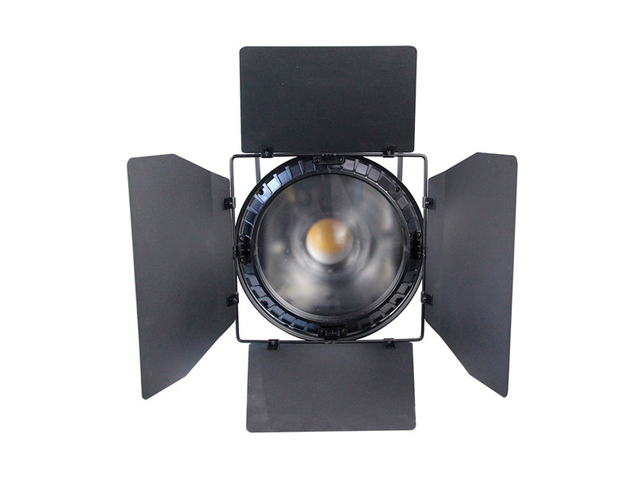
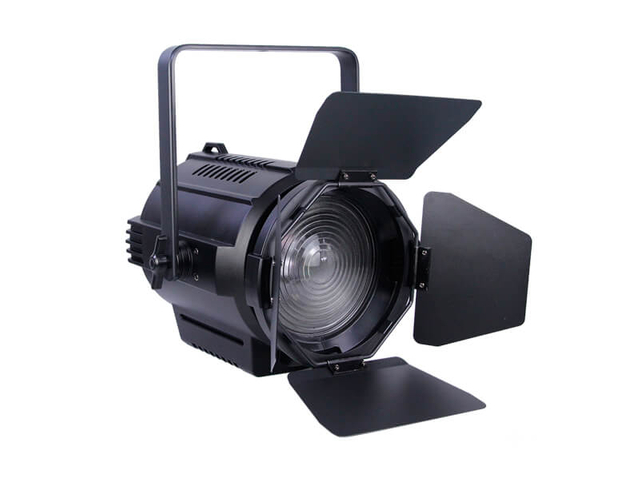
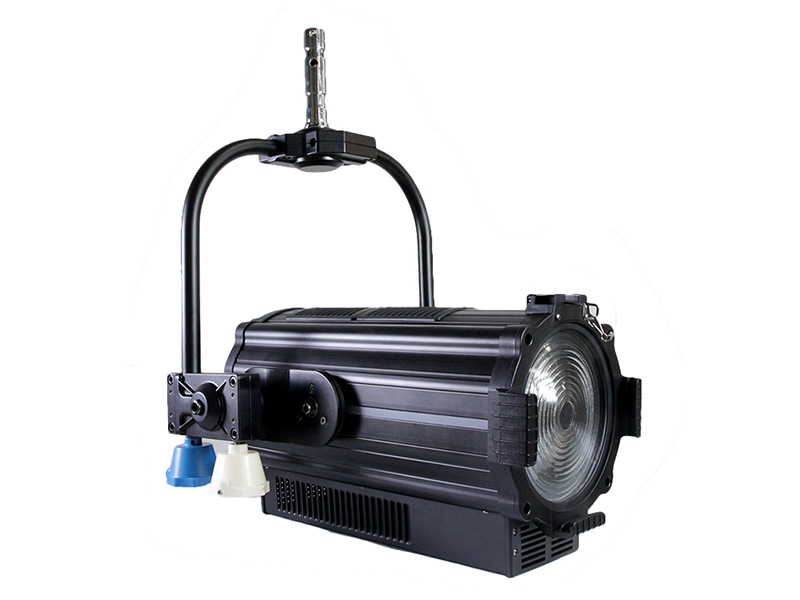
A Fresnel light uses a Fresnel lens.
This lens has concentric rings. These rings help control light while keeping the lens thinner and lighter than a traditional thick lens. A Fresnel lens spotlight can adjust between spot and flood settings.
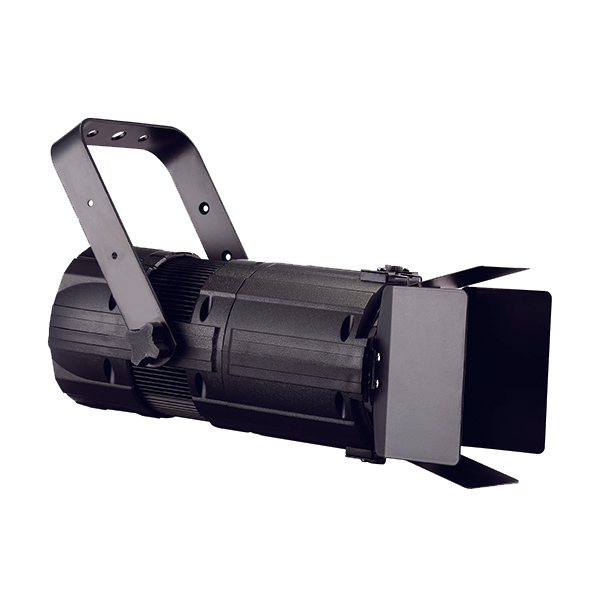
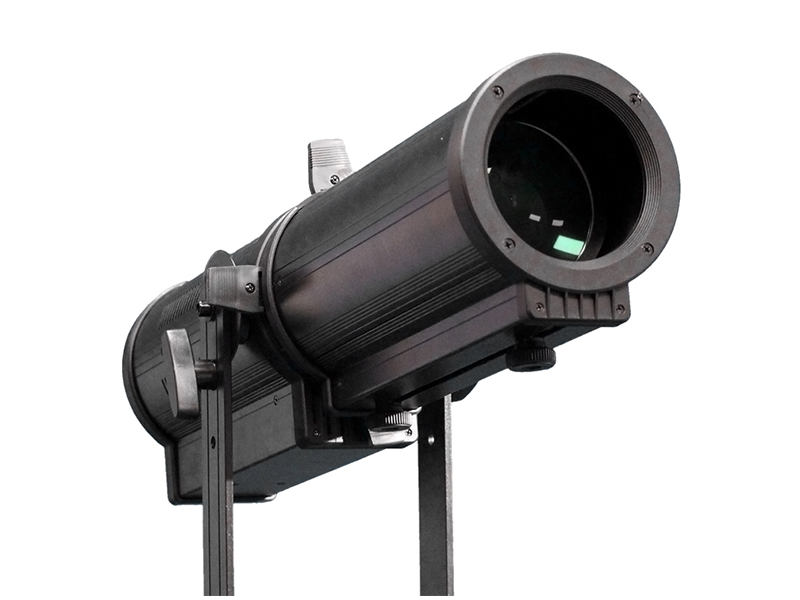
A spotlight often uses reflector and lens optics. Some theatre spotlight fixtures use profile or ellipsoidal-style structures. These designs help create sharper beams and stronger projection control.
A Fresnel fixture usually controls light through:
Spot-flood adjustment
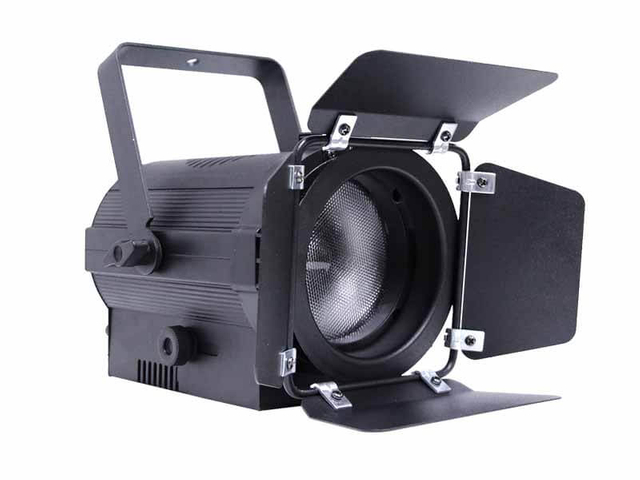
Barn doors
Focus knob
Manual zoom
Motorized zoom in some LED models
A spotlight may control light through:
Shutters
Gobos
Iris
Lens tubes
Framing systems
Focus adjustment
This gives spotlights more precision. It gives Fresnels smoother blending.
A Fresnel light is commonly used for:
Set lighting
Fill light
Backlight
Studio key light
Theatre wash
Interview lighting
A spotlight is commonly used for:
Performer highlight
Object focus
Product display
Gobo projection
Dramatic stage effects
Sharp accent lighting
Fresnel light gives a natural and blended look.
Spotlight gives a stronger and more dramatic look. If the wrong fixture is used, the scene may look flat, harsh, or poorly controlled.
For example, a hard-edge spotlight may look too sharp for an interview. A soft Fresnel may not isolate a solo performer enough.
Feature | Fresnel Light | Spotlight |
|---|---|---|
Beam Edge | Soft edge | Harder edge |
Beam Feel | Smooth wash | Focused beam |
Beam Control | Spot-flood adjustment, barn doors | Shutters, gobos, iris |
Best For | Studio, theatre wash, fill light | Highlighting, effects, projection |
Lens Type | Fresnel lens | Profile or spotlight optics |
Common LED Option | LED Fresnel Spot Light | LED stage spotlight |
Tip: Use Fresnel fixtures for blending and spotlights for isolation.
A Fresnel lens uses circular ring patterns to control light.
These rings bend and guide the beam. They help create a smooth, soft-edged field. The result is not as sharp as a profile spotlight, but it is easier to blend.
This makes Fresnel lighting useful when the scene needs natural coverage.
An LED Fresnel Spot Light combines Fresnel beam quality with LED technology.
It can provide soft output while reducing heat and power use. Many LED Fresnel fixtures also support DMX control, dimming, color temperature adjustment, or RGBW color mixing.
Common LED benefits include:
Lower heat output
Lower power consumption
Longer service life
Smooth dimming control
DMX lighting control
Color temperature options
Reduced lamp replacement needs
This makes LED Fresnel fixtures practical for theatres, TV studios, schools, churches, and event venues.
Spot-flood adjustment lets the beam change from narrow to wide.
In spot mode, the beam becomes tighter and stronger. In flood mode, it becomes wider and softer. This gives one fixture more flexibility.
A lighting designer can use one stage Fresnel light for different scenes. It can work as a key light in one setup, then as a wider wash in another.
VanGaa’s 200W LED DMX Zoom Fresnel Continuous Light is one product example for buyers comparing LED Fresnel options for theatre and studio lighting.
Fresnel lights are used in many professional lighting setups.
Common uses include:
Theatre stage lighting
TV studio lighting
Film production
Photography studio lighting
Live event lighting
Backlight setups
Fill light setups
Soft actor lighting
A studio Fresnel light is often selected when smooth facial lighting matters. It helps reduce harsh shadows and keeps the scene comfortable on camera.
Note: Fresnel lighting is useful when soft control matters more than sharp cuts.
A spotlight is designed to focus light onto a smaller area.
It creates a stronger beam with clearer direction. This makes it useful for highlighting performers, products, displays, and stage details.
A theatre spotlight can direct attention quickly. It helps the audience know where to look.
A hard-edge spotlight offers more precise beam edges.
It can cut light off scenery. It can frame a performer. It can create clean separation between the subject and background.
A soft-edge Fresnel light is less precise, but it blends better. It is better for smooth coverage and natural transitions.
Spotlights may include more shaping tools.
These tools can include:
Framing shutters
Iris control
Gobo holders
Lens tubes
Focus adjustment
Zoom control
Gobos are useful for pattern projection. Shutters help cut light into clean shapes. An iris can adjust beam size quickly.
Spotlights are useful when precision matters.
Common uses include:
Solo performer highlight
Product display lighting
Architectural accent lighting
Concert beam effects
Drama-focused stage lighting
Gobo projection
Award ceremony lighting
An LED stage spotlight is often used when buyers need stronger beam control and high visual impact.
Tip: Choose spotlights when the subject must stand apart clearly.
Choose LED Fresnel Spot Light when the project needs soft coverage.
It works well for:
Studio key light
Theatre wash
Broadcast lighting
Background lighting
Natural skin tone lighting
Soft stage fill
The soft edge helps production teams blend multiple lights. The spot-flood adjustment also helps them adapt quickly.
Choose LED spotlight when the project needs sharp focus.
It works well for:
Performer tracking
Object highlight
Narrow beam effects
Pattern projection
Strong stage accents
Dramatic focus
A spotlight can create stronger separation. It can also make a moment feel more dramatic.
A Fresnel light is better for beam blending.
It creates smoother coverage and softer edges. It is useful when the light should feel natural.
A spotlight is better for precision. It creates stronger beam definition and clearer visual isolation.
Neither fixture is always better. They solve different lighting problems.
Buyer Need | Better Choice | Reason |
|---|---|---|
Soft stage wash | LED Fresnel Spot Light | Smooth edge and adjustable beam |
Sharp performer highlight | LED Spotlight | More focused beam |
Studio interview lighting | LED Fresnel Spot Light | More natural facial lighting |
Gobo projection | Spotlight | Better pattern control |
Background fill | Fresnel Light | Wider, softer field |
Dramatic accent | Spotlight | Stronger visual focus |
Note: Many venues use both Fresnels and spotlights in one lighting plan.
Beam angle affects coverage area and brightness.
A narrow beam gives stronger focus. A wider beam covers more space. The same fixture can look very different at different distances.
Beam angle comparison is important before ordering lighting fixtures.
A Fresnel spotlight beam angle is usually adjustable.
The fixture can move between spot and flood. This helps match different stage widths, throw distances, and subject sizes.
For example, a narrow setting can highlight a speaker. A wider setting can wash a small stage area. The final result should be tested on site when possible.
A spotlight beam angle may be fixed or lens-dependent.
Profile-style spotlights are often selected by field angle. This makes them useful when a designer needs a predictable beam size.
Spotlights are preferred when a fixed, sharp beam is required.
Longer throw distance changes beam size and brightness.
Before buying, buyers should check:
Venue height
Stage width
Fixture position
Throw distance
Required lux level
Beam angle
Dimming range
Control method
If needed, lighting output data should be marked as needs verification before final layout approval.
Tip: Confirm beam angle and throw distance before choosing wattage.

In theatre, Fresnel lights and spotlights often work together.
Fresnel lights can create soft actor lighting and scene wash. Spotlights can create dramatic highlights and clear visual focus.
This combination gives the designer more control over mood and depth.
TV studios often need soft and controlled light.
An LED Fresnel Spot Light can help create smooth skin tones. It also reduces harsh shadow edges on camera.
This makes it useful for interviews, newsrooms, livestream rooms, and studio recordings.
Live events need both wash and impact.
Fresnel fixtures can support stage wash or performer fill. Spotlights can highlight a singer, host, or dancer.
RGBW or bi-color LED fixtures can add flexibility. They help crews adjust color and mood faster.
Fresnel lights can create controlled soft highlights.
Spotlights can create stronger shape and shadow. This can help product edges stand out.
The right choice depends on the mood. Soft lighting feels clean and natural. Harder light feels bold and dramatic.
Note: Stage lighting comparison should always include scene purpose and camera needs.
A Fresnel can narrow its beam, but it still has a softer edge.
A spotlight is usually better when hard-edge precision is required. Treating them as the same can cause poor lighting results.
Wattage alone does not decide performance.
Buyers should also check:
Beam angle
Output data
Color temperature
CRI or TLCI
DMX control
Dimming curve
Cooling design
Accessory compatibility
A lower-watt fixture with better optics may perform better for the scene.
Beam edge affects scene quality.
A soft edge blends better with nearby lights. A hard edge separates the subject more clearly.
Ignoring this point can make the scene look uneven or harsh.
Fresnel fixtures often need barn doors.
Spotlights may need shutters, gobos, or iris control. Accessories can affect real usability more than the fixture body alone.
For professional projects, accessory planning should happen before purchase.
Tip: Ask for beam angle, dimming, and accessory details before final selection.
Fresnel lights and spotlights are both useful stage and studio lighting tools.
The main difference is beam quality and control. A Fresnel light provides soft, adjustable illumination. A spotlight provides a more focused and defined beam.
Choose LED Fresnel Spot Light when the project needs soft edge, smooth wash, studio lighting, theatre fill, or spot-flood adjustment.
Choose spotlight when the project needs harder beam edge, subject isolation, gobo projection, dramatic focus, or sharp beam control.
For stage, theatre, studio, and event lighting projects, VanGaa can help buyers compare LED Fresnel Spot Light options and spotlight fixtures based on beam angle, output, control method, color temperature, and installation needs.
Before final selection, prepare venue size, throw distance, beam effect needs, control system, hanging position, and fixture quantity.
Explore VanGaa LED Fresnel Spot Light options for theatre, studio, and stage lighting projects.
A: The difference between Fresnel light and spotlight is beam edge; Fresnel is softer, while spotlight is sharper.
A: No. An LED Fresnel Spot Light gives soft, adjustable light, while a spotlight creates stronger focus.
A: Use an LED Fresnel Spot Light for studio Fresnel light, theatre wash, interviews, and soft stage lighting.
A: LED Fresnel light vs LED spotlight depends on beam needs; Fresnel blends, while spotlight isolates subjects.
A: Yes. An LED Fresnel Spot Light often supports spot flood adjustment for narrow or wide coverage.
A: A soft edge Fresnel light blends smoothly, reduces harsh shadows, and works well for faces.
A: A hard edge spotlight is used for performer highlights, gobo projection, and sharp visual focus.
A: LED Fresnel Spot Light cost depends on wattage, beam angle, DMX control, color, and cooling design.