 English


Views: 0 Author: Site Editor Publish Time: 2026-07-08 Origin: Site


Lighting design has changed quickly in recent years. Theaters, TV studios, churches, conference halls, schools, and live event venues no longer want lighting fixtures that only provide brightness. They need lights that are efficient, flexible, quiet, easy to control, and suitable for different production environments.
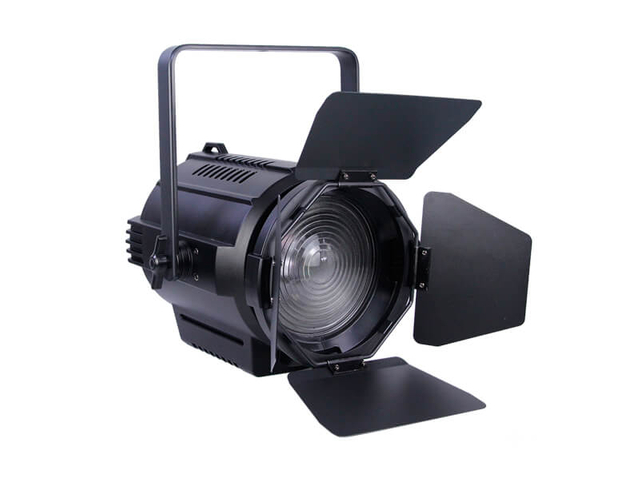
This is one reason why the LED Fresnel Spot Light has become increasingly popular today. It combines the classic soft-edged beam of a traditional Fresnel fixture with the energy-saving performance and control flexibility of modern LED technology.
Unlike a sharp profile spotlight or a wide PAR wash light, an LED Fresnel light creates a smooth, adjustable beam that can move from a narrow spot to a wider flood. This makes it useful for stage key lighting, studio lighting, film production, church lighting, auditorium lighting, and many other professional applications.
For users who are comparing different stage and studio lights, understanding how an LED Fresnel Spot Light works can make it easier to choose the right fixture for a project.
An LED Fresnel Spot Light is a professional lighting fixture that uses an LED light source and a Fresnel lens to produce a soft, adjustable beam. It is popular today because it offers lower power consumption, reduced heat, flexible beam control, high color rendering, quieter operation, and better suitability for modern stage, studio, and broadcast environments.
In simple terms:
It gives a softer beam than many hard-edged spotlights.
It is more energy-efficient than traditional tungsten Fresnel lights.
It can be adjusted from spot to flood.
It is suitable for theaters, TV studios, film sets, churches, and event venues.
It supports modern control methods such as DMX in many professional models.
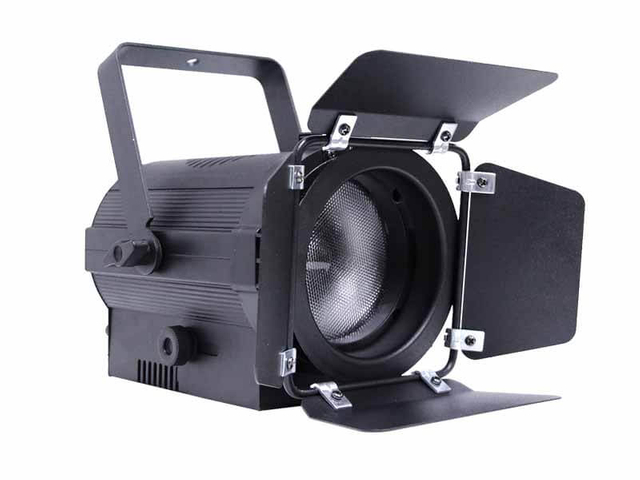
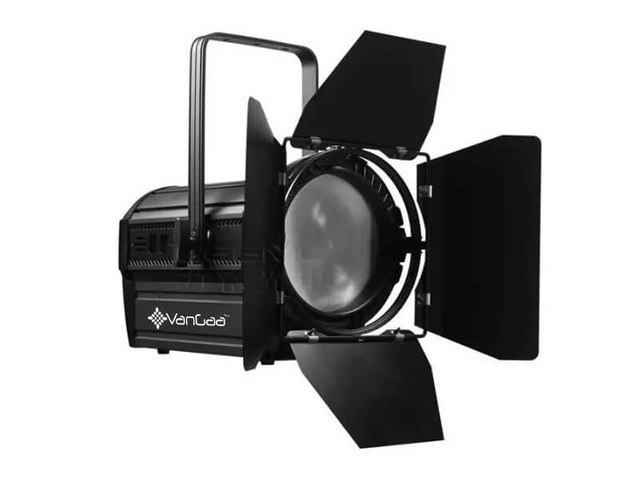
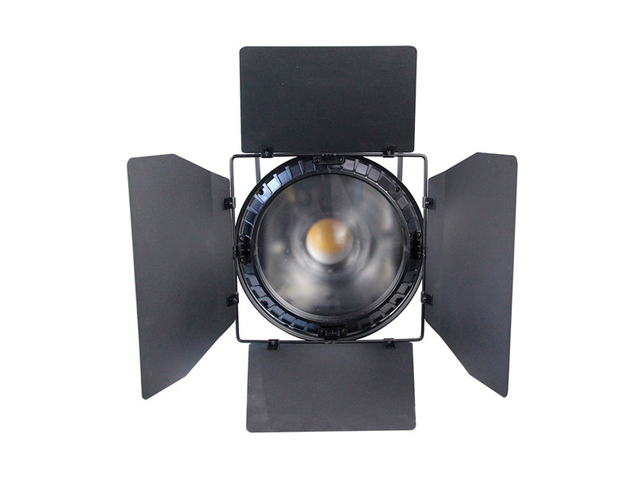
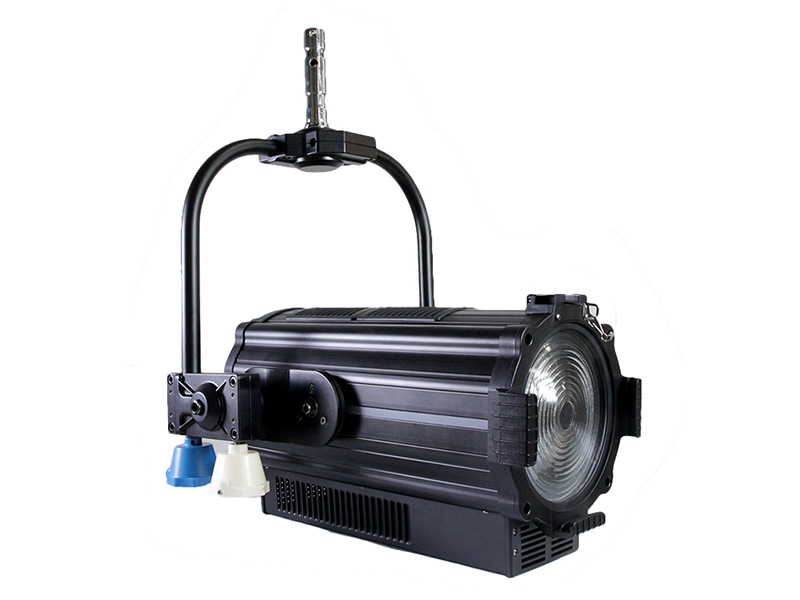
An LED Fresnel Spot Light is a stage and studio lighting fixture that uses an LED source together with a Fresnel lens. The Fresnel lens is designed with circular stepped rings, allowing the fixture to focus and shape light while keeping the lens relatively thin and efficient.
The main visual feature of a Fresnel light is its soft-edged beam. Instead of producing a hard cut like a profile spotlight, a Fresnel creates a smoother transition between the bright center and the darker edge of the beam. This makes it ideal when a natural and blended lighting effect is required.

A typical LED Fresnel Spot Light can be used for:
Front lighting on a theater stage
Key lighting in a TV studio
Soft spotlighting for film or video production
Speaker lighting in a conference hall
Worship stage lighting in a church
Performance lighting in an auditorium
Controlled wash lighting for live events
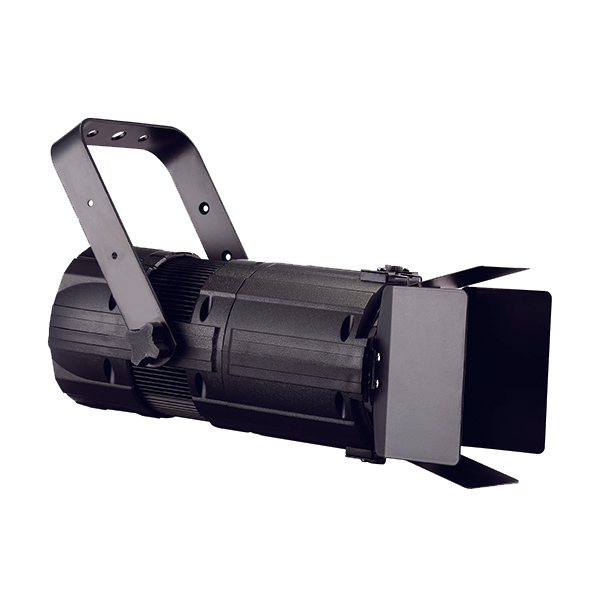
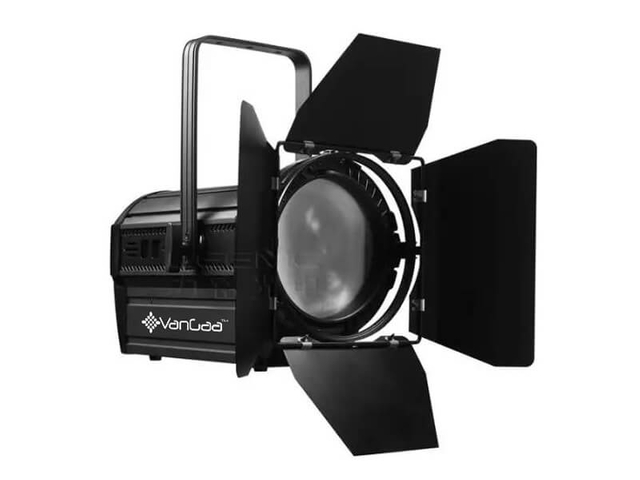
For users who want to explore product options, VanGaa offers a dedicated LED Fresnel Spot Light series for stage, theatre, television, and studio room lighting applications.
An LED Fresnel Spot Light works through the cooperation of three main parts: the LED light source, the Fresnel lens, and the focus or zoom system.
Main Part | Function | Why It Matters |
|---|---|---|
LED light source | Produces the light output | Reduces energy use, heat, and lamp replacement |
Fresnel lens | Shapes the beam into a soft spotlight | Creates smooth edges and natural light blending |
Zoom or focus system | Adjusts the beam from spot to flood | Helps one fixture cover different lighting needs |
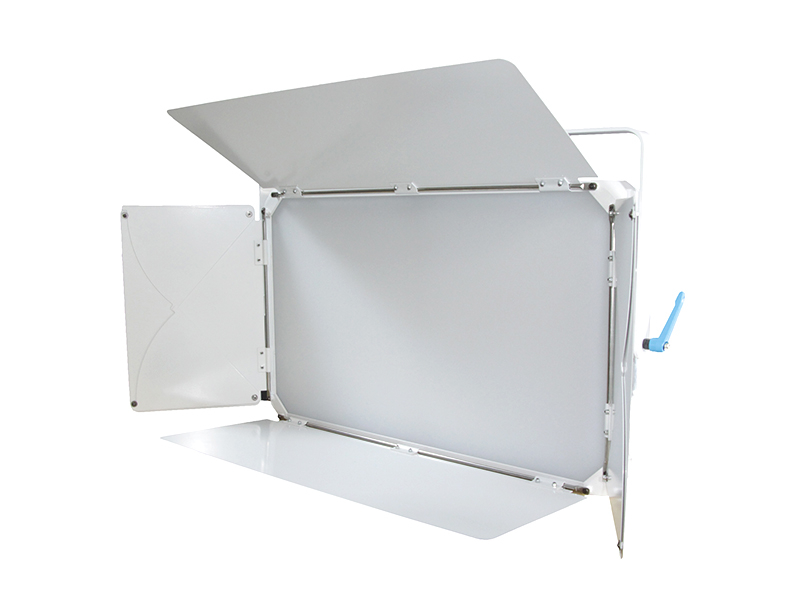
Barn doors | Controls light spill | Keeps light focused on the target area |
DMX control | Allows remote control | Useful for professional stage and studio systems |
When the light source moves closer to or farther from the Fresnel lens, the beam angle changes. A narrow beam is useful for highlighting a performer, speaker, or specific area. A wider beam is useful for covering a larger stage zone or creating a softer wash effect.
This adjustable beam is one of the biggest advantages of Fresnel lighting. Instead of using several fixed-beam fixtures for different jobs, one LED Fresnel Spot Light can often handle multiple lighting positions.
The popularity of LED Fresnel Spot Lights is not only because they use LED technology. Their value comes from the combination of classic Fresnel beam quality and modern lighting efficiency.
Traditional tungsten Fresnel lights are known for strong output and warm color, but they also consume a lot of power and produce significant heat. In contrast, LED Fresnel lights can provide professional brightness with much lower energy consumption.
For theaters, studios, and venues that run lights for many hours, this can reduce electricity costs and lower the pressure on cooling systems.
Main benefits:
Lower power consumption
Less heat around performers and crew
Reduced air-conditioning load
Longer light source lifespan
Lower maintenance frequency
This is especially important for TV studios, schools, houses of worship, and multipurpose halls that need reliable lighting for repeated use.
One of the most important reasons lighting designers use Fresnel lights is the soft-edged beam. A Fresnel beam is strong enough to highlight a subject, but not as harsh as some hard-edged spotlights.
This makes it suitable for facial lighting, stage performance, interview lighting, and studio key light setups.
Compared with a hard spotlight, an LED Fresnel Spot Light creates a more natural transition between light and shadow. This helps people, costumes, scenery, and background areas appear more comfortable and balanced.
A major advantage of an LED Fresnel Spot Light is beam angle adjustment. The same fixture can often produce both a narrow spot and a wider flood.
Spot mode is useful when the light needs to focus on a performer, presenter, product, or stage detail.
Flood mode is useful when the light needs to cover a wider area, such as a stage zone, interview setup, or conference platform.
This flexibility makes Fresnel lights valuable in venues where the lighting design changes often. For example, a school auditorium may host speeches, concerts, drama performances, and ceremonies in the same space. Adjustable beam control helps one fixture adapt to different events.
In stage and studio lighting, brightness is not the only factor. Color quality also matters.
CRI, or Color Rendering Index, shows how accurately a light source reveals colors compared with natural or reference light. A higher CRI is especially useful for TV studios, film production, theater performances, makeup, costumes, skin tones, and product display.
A high-CRI LED Fresnel Spot Light helps cameras and audiences see more natural colors. This is important when the lighting must support professional visual results, not just basic illumination.
Traditional Fresnel lights can become extremely hot during use. This affects performers, presenters, camera operators, and technical staff. It can also make small studios and closed venues uncomfortable.
LED Fresnel lights produce less infrared heat, helping improve the working environment. This is useful in:
Small TV studios
Interview rooms
Church stages
School halls
Conference rooms
Black box theaters
Film sets with long shooting hours
Lower heat also reduces the risk of damaging nearby materials, stage decorations, or temperature-sensitive equipment.
Noise control is very important in broadcast, filming, interview, and recording environments. A lighting fixture with loud fan noise can disturb audio recording and create problems during production.
This is why many buyers look for low-noise or fanless Fresnel lights. A fanless LED Fresnel Spot Light can be a better choice for studios, lecture capture rooms, video production rooms, and other noise-sensitive spaces.
Popularity Driver | Project Value | Best-Fit Application |
|---|---|---|
Energy efficiency | Reduces power cost | Theaters, schools, churches |
Soft-edged beam | Creates natural lighting | Stage, studio, film |
Spot-to-flood adjustment | Improves fixture flexibility | Multipurpose venues |
High CRI | Improves color accuracy | TV studio, film, makeup rooms |
Lower heat | Improves comfort | Small studios, closed venues |
Low-noise design | Protects audio quality | Broadcast, interviews, recording rooms |
DMX control | Supports professional operation | Stage shows, studios, events |
LED Fresnel Spot Lights are widely used because they can provide both focused light and soft coverage. Their flexibility makes them suitable for many professional lighting environments.
In theaters, Fresnel lights are often used for front light, side light, back light, and area lighting. Their soft beam helps performers look natural on stage while still giving the lighting designer control over brightness and direction.
They are especially useful when a stage needs smooth lighting transitions rather than sharp light cuts.
TV studios require stable, camera-friendly lighting. An LED studio Fresnel light can be used as a key light, fill light, or background light, depending on the beam angle and installation position.
For newsrooms, interview rooms, and live broadcast spaces, LED Fresnel lights are valued for their color quality, dimming control, and lower heat output.
Film and video crews often need flexible lighting tools that can quickly adapt to different scenes. An LED Fresnel Spot Light can create controlled highlights, soft facial lighting, or directional light for indoor sets.
When paired with barn doors, it can also reduce unwanted spill and help control the lighting area more precisely.
Churches often need lighting for sermons, choirs, worship bands, stage performances, and live streaming. LED Fresnel lights can help illuminate speakers and performers while keeping the light soft and comfortable.
For churches that also record or livestream services, high CRI and low-noise operation can be especially valuable.
In conference halls, lighting must often support speeches, ceremonies, product launches, school events, and performances. LED Fresnel Spot Lights are suitable because they can provide focused speaker lighting or wider platform coverage.
Their adjustable beam angle makes them practical for different event layouts.
Not every stage light does the same job. To choose the right fixture, it is important to understand how an LED Fresnel Spot Light compares with other common lighting types.
Lighting Type | Beam Effect | Main Strength | Best For |
|---|---|---|---|
LED Fresnel Spot Light | Soft-edged, adjustable beam | Natural lighting and flexible focus | Stage, studio, TV, theatre |
LED Profile Spotlight | Hard-edged, precise beam | Sharp framing and pattern projection | Theatre, logo projection, gobo effects |
LED PAR Light | Wide wash beam | Simple color wash | Events, background lighting, concerts |
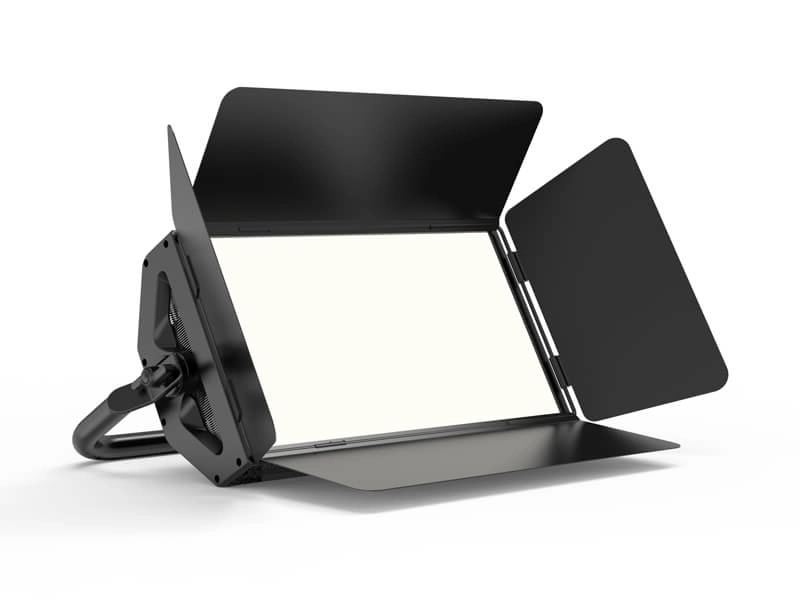
LED Panel Light | Broad soft light | Even illumination | Video, interviews, studio fill light |
Moving Head Light | Dynamic movement and effects | Show effects and stage atmosphere | Concerts, clubs, live events |
An LED Fresnel Spot Light is usually the better choice when the lighting goal is controlled, soft, and natural. If the goal is sharp framing, a profile spotlight may be better. If the goal is color atmosphere, PAR lights or moving heads may be more suitable.
Choosing the right LED Fresnel Spot Light depends on the venue, lighting distance, control system, color requirements, and noise conditions. Before buying, users should check the following points.

The required power depends on the venue size and throw distance. A small studio may only need a lower-power fixture, while a theater or large auditorium may require higher output.
Common power choices include:
100W for small studios or short-distance lighting
200W for TV studios, churches, and medium stages
300W for theater and event venues
400W or above for larger stages and longer throw distances
The goal is not simply to choose the highest wattage. The right choice should match the lighting distance, subject size, and brightness requirement.
Beam angle determines how wide or narrow the light output is. A narrow angle creates a focused spot. A wider angle covers a larger area.
For example:
Beam Requirement | Suggested Use |
|---|---|
Narrow spot | Highlighting a singer, actor, speaker, or object |
Medium beam | Stage area lighting or interview key light |
Wide flood | Platform coverage, soft wash, or group lighting |
A fixture with adjustable beam control gives more flexibility, especially for venues with changing event types.
Color temperature affects the mood and visual appearance of the light.
3200K warm white is often used for theater, indoor stage, and warm environments.
5600K daylight is often used for TV, video, and daylight-balanced production.
Bi-color fixtures allow adjustment between warm and cool white.
RGBW or RGBAL fixtures provide more creative color options for stage and performance lighting.
For multipurpose venues, a bi-color or full-color LED Fresnel Spot Light can offer more flexibility.
For camera-based applications, CRI and TLCI are important. High CRI and TLCI values help ensure better skin tones and more accurate color reproduction.
This matters most in:
TV studios
Film production
Livestreaming rooms
Makeup rooms
Product presentation spaces
Theaters with detailed costumes and scenery
If the fixture will be used on camera, color quality should be considered as important as brightness.
Professional LED Fresnel Spot Lights may support manual control, DMX control, or motorized zoom.
Manual zoom is simple and cost-effective. DMX and motorized control are better for professional studios, stages, and fixed installations where lighting operators need remote adjustment.
For a theater, TV station, or conference hall, DMX control can make daily operation more efficient.
If the fixture will be used in a noisy concert environment, fan noise may not be a major issue. But in a TV studio, interview room, classroom recording space, or worship livestream setup, quiet operation becomes very important.
For these projects, a fanless or low-noise LED Fresnel Spot Light should be considered.
Before selecting a fixture, check the installation environment.
Important questions include:
Will the light be installed on a lighting bar, ceiling track, tripod, or truss?
What is the mounting height?
What is the throw distance?
Is safety rope required?
Does the venue need fixed installation or mobile use?
Is there enough space for cooling and maintenance?
A good lighting plan should consider both performance and installation safety.
Project Type | Recommended Fresnel Features |
|---|---|
Small video studio | Bi-color, high CRI, low noise, medium power |
TV broadcast room | High CRI/TLCI, DMX control, fanless or quiet cooling |
Theatre stage | Adjustable beam, strong output, barn doors, DMX control |
Church stage | Soft beam, bi-color option, easy control, quiet operation |
School auditorium | Durable structure, flexible beam angle, simple operation |
Conference hall | Clean white light, low noise, stable dimming |
Film production | High color rendering, portable setup, accurate beam control |
VanGaa provides professional stage, theater, television, and studio lighting solutions, including LED Fresnel Spot Lights for different project needs.
For buyers who need reliable Fresnel lighting, VanGaa’s product range can support different requirements such as power selection, beam angle control, color temperature options, color mixing, DMX control, and low-noise or fanless designs.
A VanGaa LED Fresnel Spot Light can be used in:
TV stations
Theaters
Studios
Churches
Auditoriums
Conference halls
Film and video production rooms
Live event venues
If you are planning a lighting project, it is better to choose the fixture based on venue size, installation height, beam angle, brightness, control system, and noise requirements. VanGaa can help recommend a suitable solution according to your actual application.
For more options, you can view VanGaa’s LED Fresnel Spot Light products or contact VanGaa for project consultation.
An LED Fresnel Spot Light is popular today because it solves many of the problems found in traditional stage and studio lighting. It provides a soft and natural beam, adjustable spot-to-flood control, lower power consumption, reduced heat, better color rendering, and quieter operation for professional environments.
For theaters, TV studios, churches, auditoriums, conference halls, and film production spaces, LED Fresnel lighting offers a practical balance between performance, flexibility, and long-term operating efficiency.
When choosing the right LED Fresnel Spot Light, buyers should not only compare wattage. They should also consider beam angle, color temperature, CRI, TLCI, dimming performance, control method, cooling design, installation method, and the real needs of the venue.
Looking for a reliable LED Fresnel Spot Light for your stage or studio project? Contact VanGaa to discuss your venue size, throw distance, beam angle, color temperature, power range, and lighting control requirements.
An LED Fresnel Spot Light is used for stage lighting, studio lighting, TV production, film shooting, church lighting, auditorium lighting, and conference hall lighting. It is especially useful when a soft, adjustable, and natural-looking beam is required.
An LED Fresnel Spot Light creates a soft-edged adjustable beam, while a profile spotlight creates a hard-edged and more precise beam. Fresnel lights are better for natural stage and studio lighting, while profile spotlights are better for sharp framing, gobo projection, and precise light shaping.
In many modern applications, yes. LED Fresnel lights consume less power, produce less heat, require less maintenance, and often support better control options. However, some users may still prefer tungsten fixtures for their traditional warm color and familiar dimming behavior.
Yes. LED Fresnel Spot Lights are widely used in TV studios because they provide soft, controllable light with good color rendering. Low-noise or fanless models are especially suitable for broadcast, interview, and recording environments.
The right beam angle depends on the lighting distance and coverage area. A narrow beam is better for highlighting a person or object, while a wider beam is better for covering a larger stage or studio area. For flexible use, choose a fixture with adjustable spot-to-flood beam control.
CRI shows how accurately a light source displays colors. A high-CRI LED Fresnel light helps skin tones, costumes, scenery, and products look more natural. This is especially important for TV studios, film production, theater, and livestreaming.
If the fixture will be used in a TV studio, interview room, recording room, classroom studio, or worship livestream space, a fanless or low-noise LED Fresnel Spot Light is a good choice. It helps reduce background noise and improves audio recording quality.
You should consider venue size, throw distance, mounting height, required brightness, beam angle, color temperature, CRI, control method, cooling design, and whether the light will be used for stage, studio, broadcast, church, or event applications.