 English


Views: 0 Author: Site Editor Publish Time: 2025-12-31 Origin: Site


Small banquet halls (such as wedding halls, birthday banquet rooms, and corporate annual meeting venues) are micro-stages for carrying emotions and ceremonies. Lighting here must simultaneously meet two core demands: clear presentation of "people" (ensuring no shadows on the faces of guests, hosts, or performers, with natural skin tones) and atmosphere elevation of "scene" (creating a sense of ceremony and performance tension through dynamic light and shadow). This article focuses on the basic guarantee of front light and side light, combined with the dynamic empowerment of stage background LED screens and beam lights, to dismantle the dual lighting logic of "static clarity + dynamic brilliance," helping you achieve infinite possibilities with limited equipment.
The space limitations of small banquet halls (typically 50-150㎡) require lighting to be versatile: daily focus on "people," ensuring uniform front light and three-dimensional side light; during performances, focus on "scene," building immersive environments through LED screens and beam lights. The core principle is "layered human-scene and zoned static-dynamic"—front and side lights handle basic lighting for "people," while LED screens and beam lights manage atmosphere rendering for "scene." They do not interfere with each other but synergize to enhance effects.

Front and side lights are the foundation of banquet hall lighting, directly determining character state and image texture. They must prioritize meeting three standards: no shadows, true skin tone, and three-dimensionality.
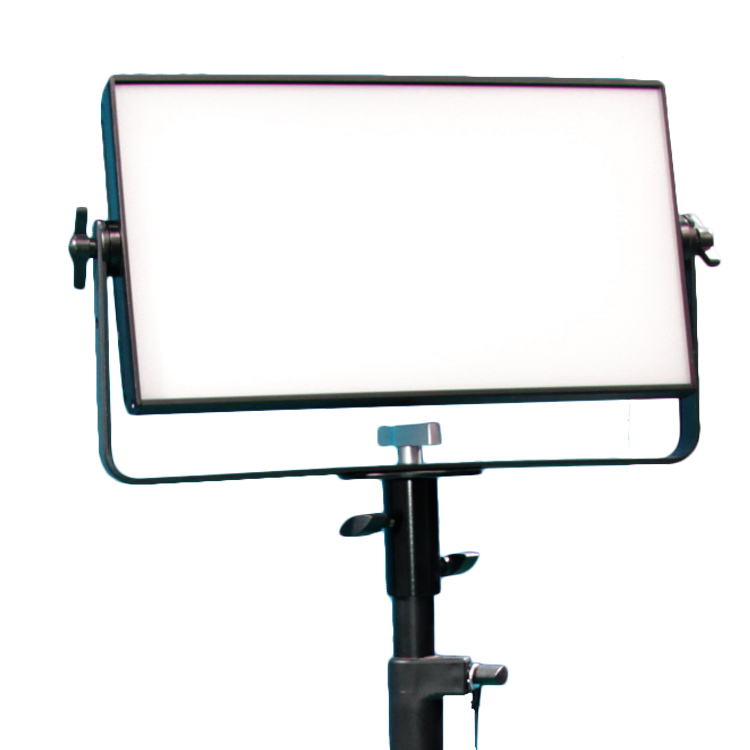
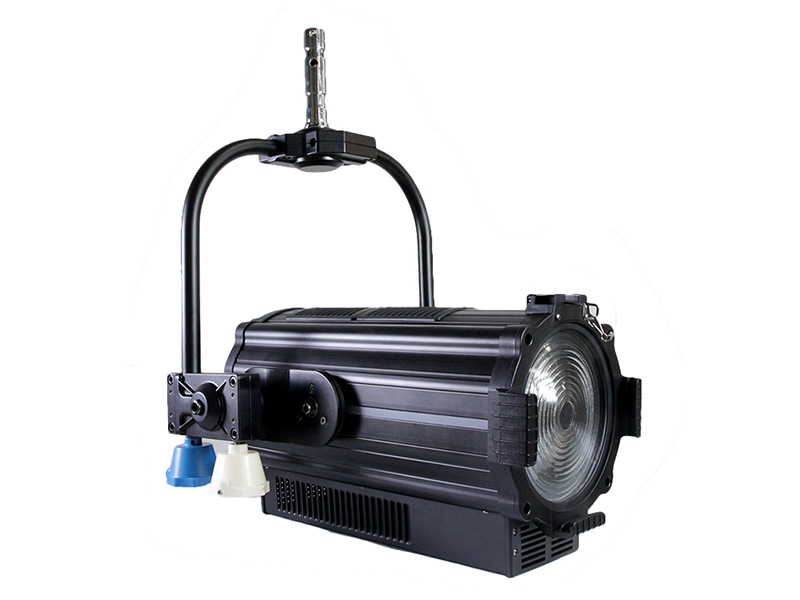
Function: Evenly illuminate the faces of hosts, newlyweds, and performers; eliminate shadows in eye sockets and nasolabial folds; restore skin tone and makeup details (especially bridal and stage makeup).
Lighting Logic:
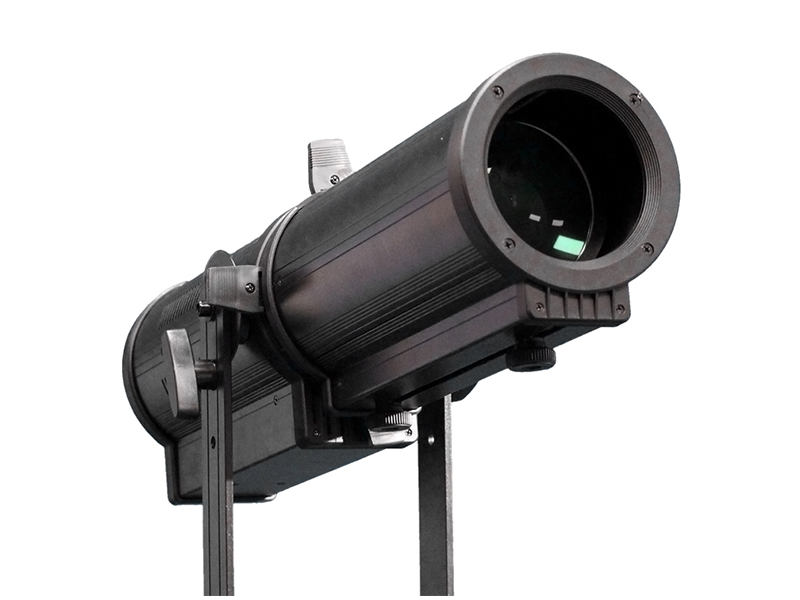
Position: Symmetrically distributed on both sides of the stage front (or truss directly in front), 2-3 meters from the stage edge, height 3-3.5 meters (slightly above adult head height), projection angle 30°-45° (to avoid direct eye exposure).
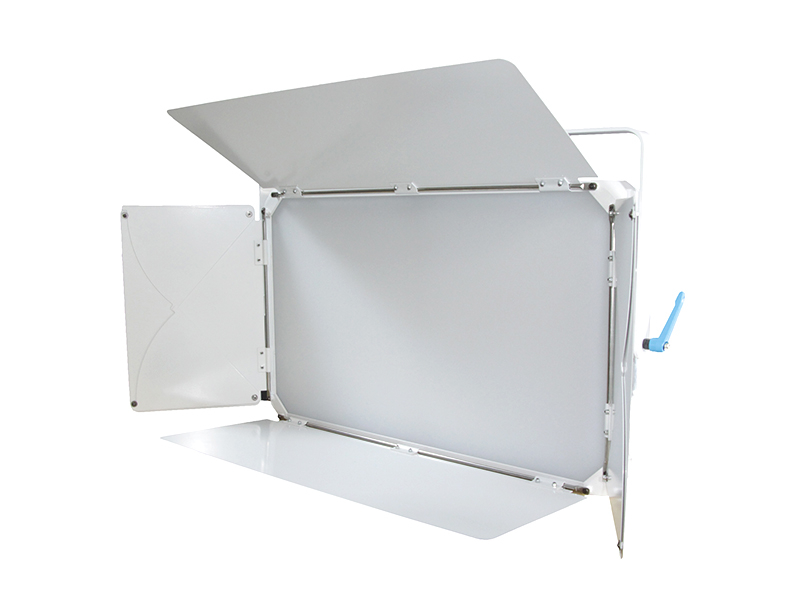
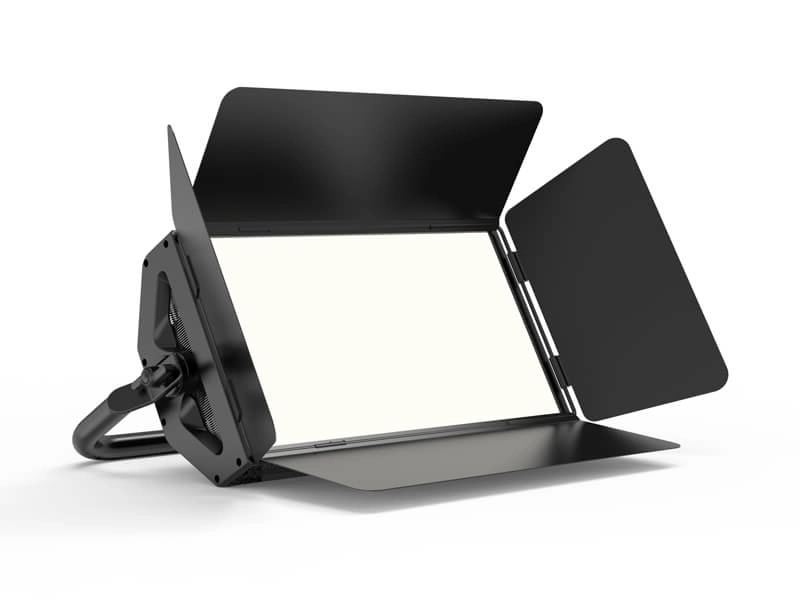
Function: Break the flatness of front light, outline shoulder-neck and head lines to make characters "stand out" from the background, and reserve layered space for subsequent beam light performances.
Lighting Logic:
Position: Staggered with front light fixtures on both sides of the stage, 1.5-2 meters from the stage edge, height 2.5-3 meters, forming a 90°-110° angle with front light (single-sided or bilateral).
LED screens have evolved from "background boards" to atmosphere engines, requiring deep linkage with lighting to avoid "light-screen conflict" (screen being too bright to cover lighting, or lighting being too strong causing glare).
Type: Small banquet halls choose P2-P3 small-pitch LED screens (high pixel density, no graininess when viewed up close). Size is determined by stage width (typically 2/3-3/4 of the stage width, e.g., a 4m-wide screen for a 6m-wide stage).
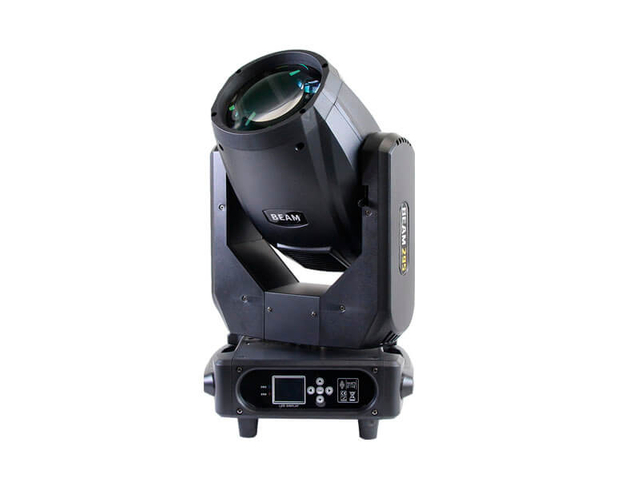
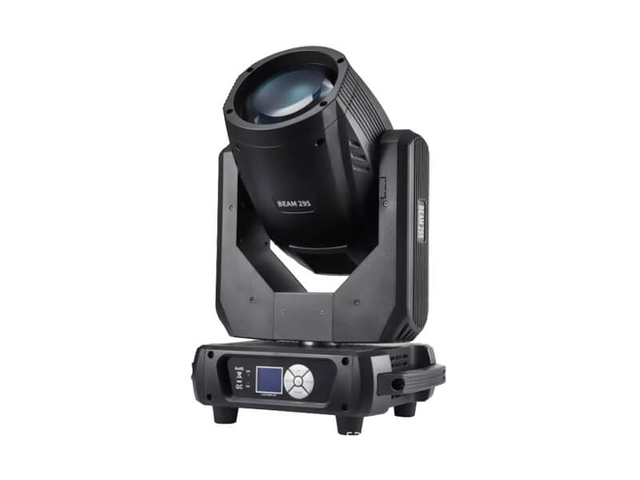
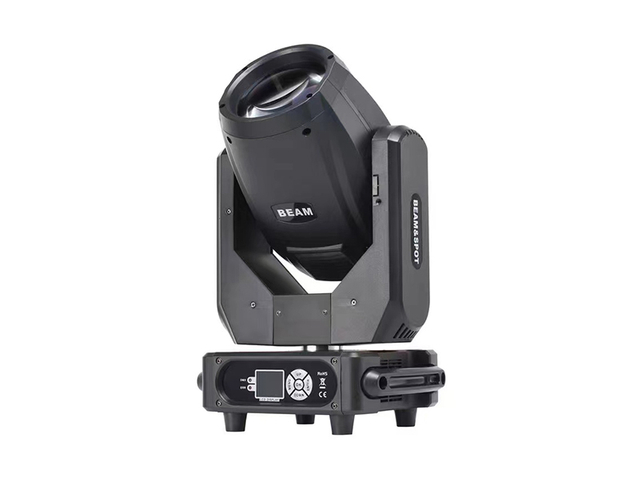
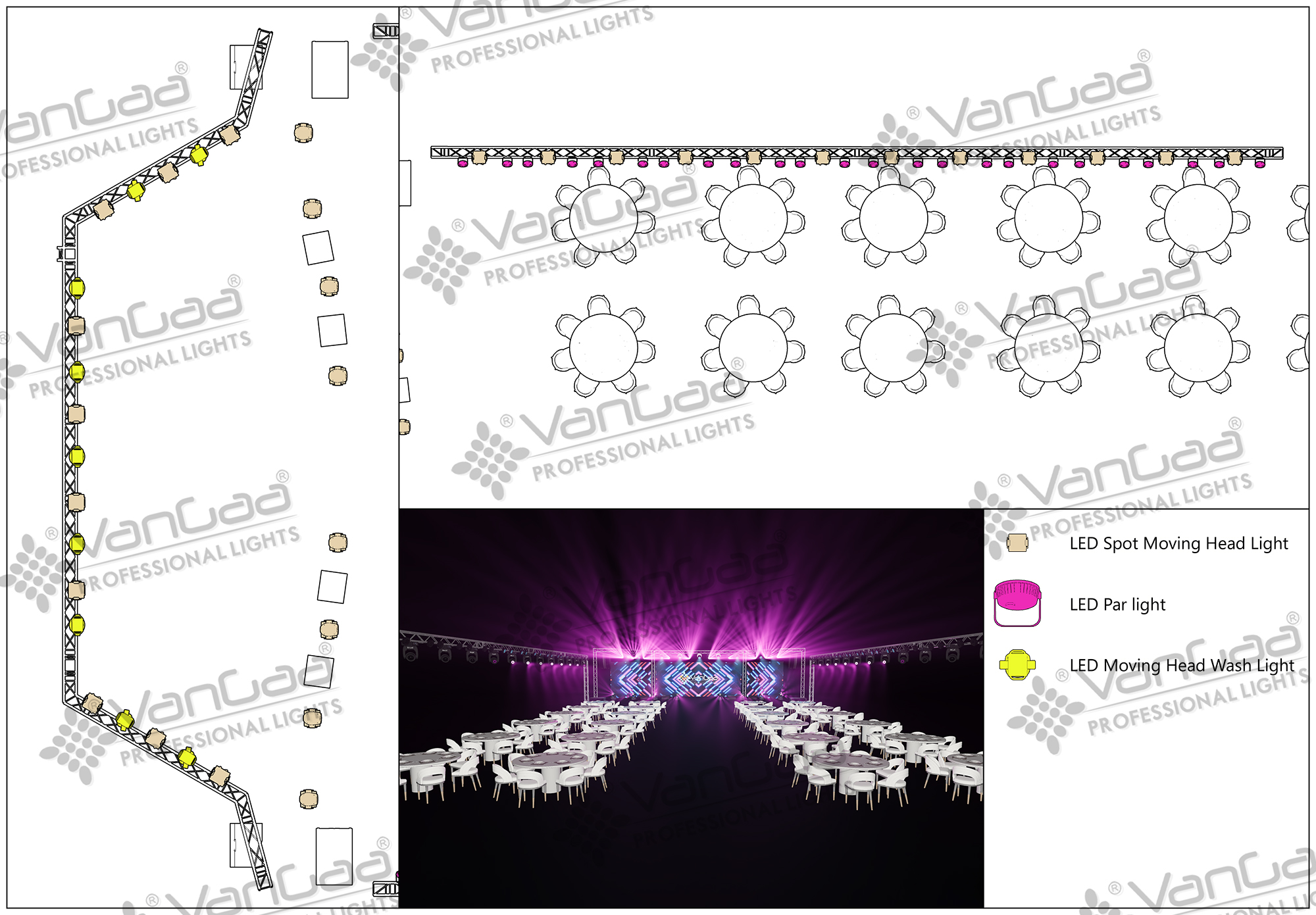
Beam lights are the soul of the banquet hall’s "light show," elevating ordinary performances into a visual feast through rapid color changes, rotation, and pattern projection. Small banquet halls do not need large moving head light arrays—2-4 units can cover the stage.
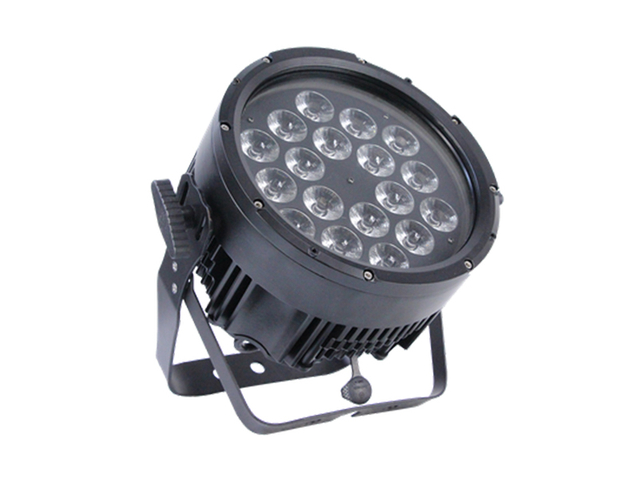
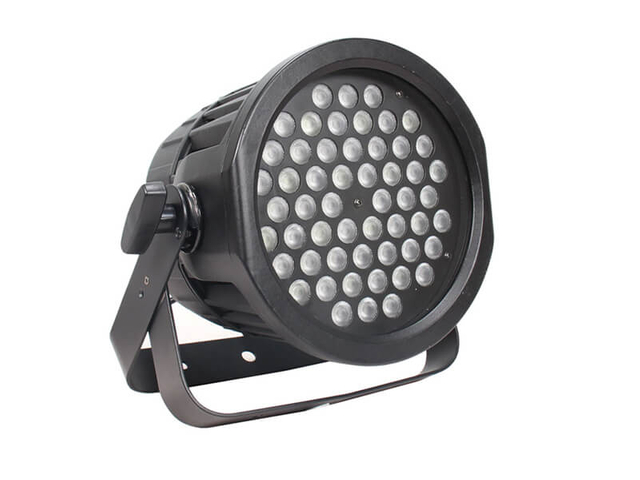
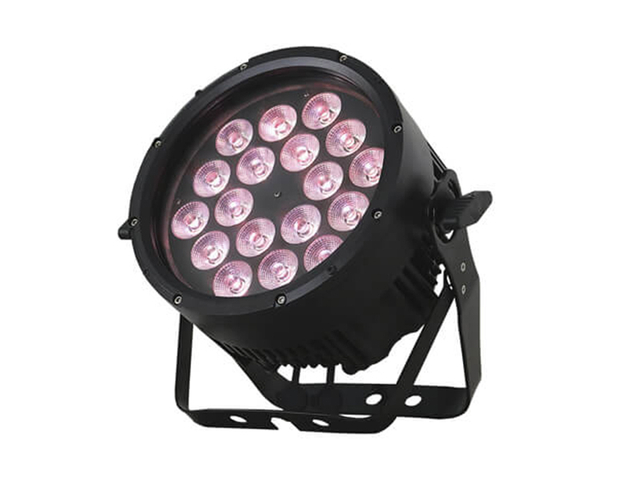
Type: 295W LED moving head beam lights (small size, low power consumption, 15°-20° beam angle, capable of projecting prisms and gobos); or 350W beam lights (higher brightness, suitable for ceilings over 10m); 60W PAR lights (small size, low power consumption, color rendering for atmosphere).
Core Functions: RGBW color mixing (16 million colors), 16-bit dimming (flicker-free brightness gradation), prism effect (8-prism beam splitting), gobo wheel (interchangeable patterns like festivals, hearts, stars).
Position: Trusses on both sides of the stage (or rear corners), 3-4 meters from the stage center, height 2.8-3.2 meters (beam covers stage depth), avoiding direct projection onto the audience (anti-glare).
Lighting in small banquet halls is a balancing act between "practicality" and "romance": front and side lights establish a clear baseline for "people," while LED screens and beam lights weave an emotional web for "scene." Remember: good lighting doesn’t need a "sea of lights," but rather "harmony between people and scene"—when newlyweds smile in warm light and beams dance on the screen, that is the most touching moment in a small banquet hall. With precise lighting, make every gathering shine brilliantly.