 English


Views: 0 Author: Site Editor Publish Time: 2026-01-20 Origin: Site


As dusk stains the open-air venue and the stars have yet to fully spread across the sky, the first follow spot piercing the night marks the start of the outdoor concert’s "dual narrative of light and sound." Unlike the enclosed space of an indoor theater, an outdoor concert must use lighting to build an emotional container within nature’s embrace. The key to achieving this lies in allowing various lighting fixtures to function like a symphony orchestra—each with its role, responding to one another, and achieving harmonious coexistence through interaction.
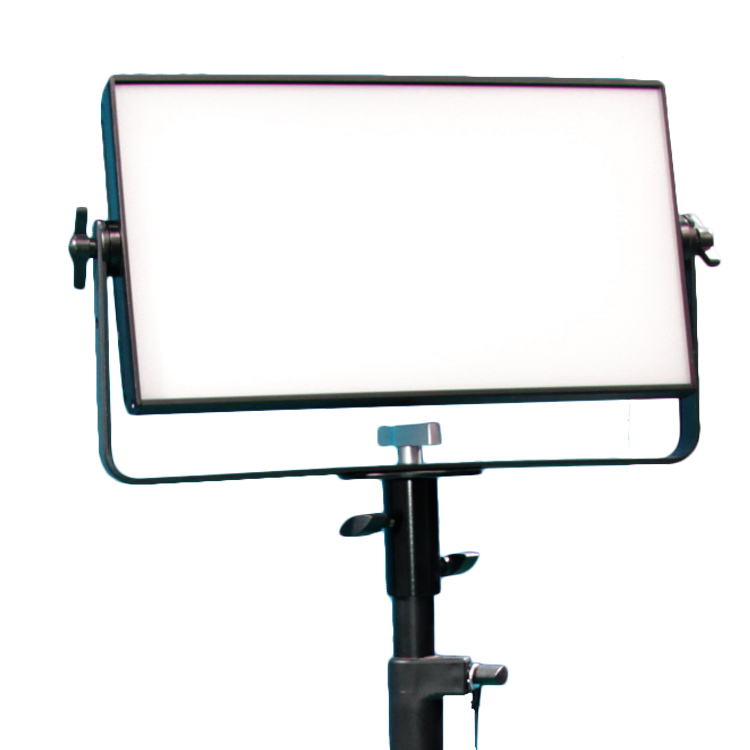
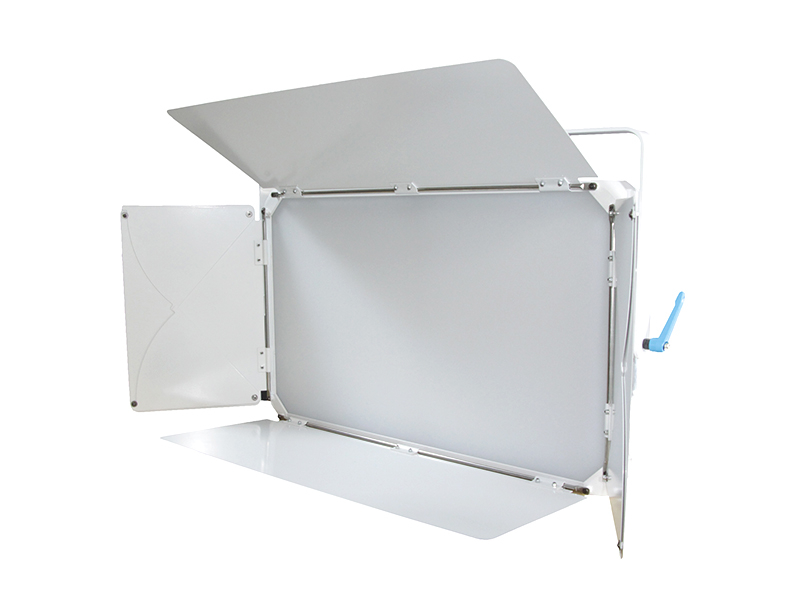
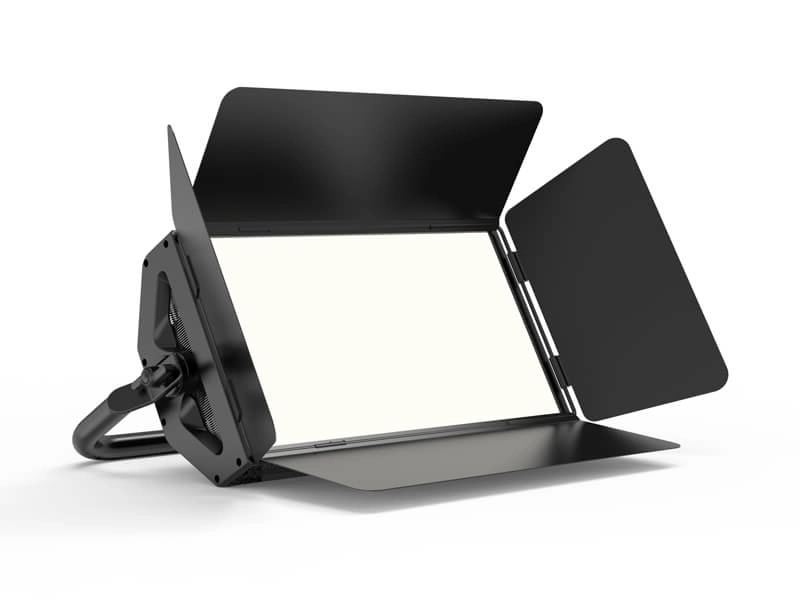
The stage is the "heart" of the entire performance, where lighting must create a clear, layered visual anchor. Color wash lights act as gentle base painters, covering the performance area with large areas of warm white or colored light to outline singers and musicians, ensuring the audience’s gaze remains focused. Beam lights transform into dynamic emotional brushes: in rock segments, they burst forth with sharp light blades, cutting through air and darkness; during lyrical ballads, they become silk-like streams of light, gently sweeping over guitar strings and lyrics.
When paired with an LED screen, the three form a "three-dimensional narrative web": the screen plays dynamic visuals (like flowing starry skies or blooming flower seas), PAR lights simultaneously render the on-site colors, and beam lights create virtual-real interlaced light and shadow in front of the screen. Their functions complement each other—neither letting the screen overshadow the stage nor making the stage lighting monotonous—much like the seamless coordination between a lead singer and accompaniment in a band.

The openness of outdoor spaces requires lighting to break the "stage boundary," using color wash lights, audience lights, beam lights, spotlights, and strobe lights to weave an immersive ambiance web, elevating light from "illuminating the performance" to "wrapping emotions."
Color wash lights are "ambiance colorists": they switch base colors according to the music genre—warm orange for folk, like gathering around a campfire; neon purple for electronic music, like cyber pulses. The light diffuses from the venue’s edges into the audience area, blurring the line between "stage" and "audience" and tinting the overall emotional tone.
Audience lights serve as "emotional connectors": they respond to audience interactions (like waves of glow sticks) with soft light spots or dynamic colors, turning spectators into "participants in light" and enhancing on-site resonance.
Beam lights here act as "spatial weavers": they project low-angle light columns to outline the venue’s contours or cross in the air to form "light corridors," guiding the audience’s gaze to flow naturally and avoiding a sense of emptiness.
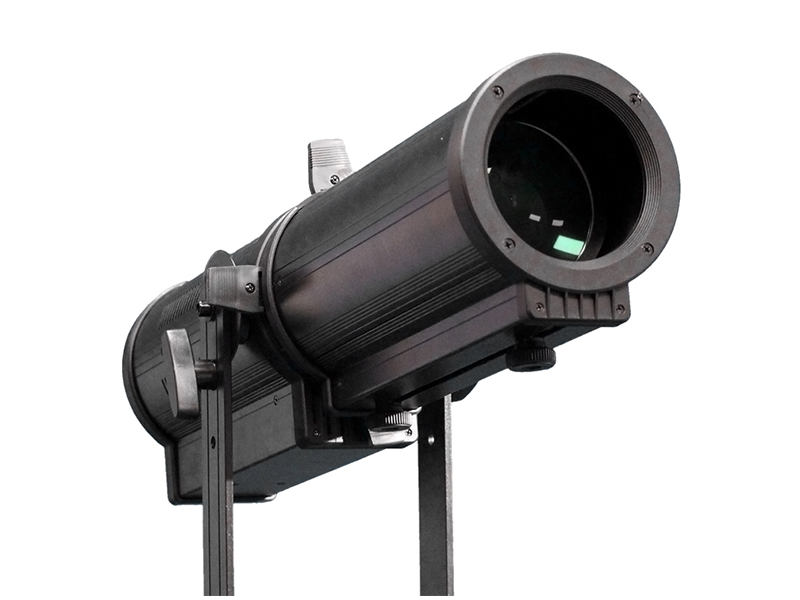
Spotlights are "focus enhancers": they cast local strong light onto the main performance area of the stage, enriching the spatial hierarchy.
Strobe lights function as "emotion catalysts": used only at chorus climaxes or transitions with low-frequency flashes (to enhance the lively atmosphere and avoid visual fatigue from continuous flashing), they form a "dynamic-static balance" with the color wash lights’ gradual color shifts.
These fixtures are like the string section of a symphony, laying an emotional foundation for the movement with their sustained hum or whisper, giving the open space an intimate feeling of "being embraced by light."

As the last follow spot fades with the final melody, the crowd remains immersed in the afterglow of light—outdoor concert lighting is never a solo by a single fixture, but a "symphony of sound and shadow" played by all "instruments of light" under the designer’s direction. Each light shines in its place, sublimating through mutual response, turning the natural night into an indelible light and shadow theater in memory.