 English


Views: 0 Author: Site Editor Publish Time: 2026-01-06 Origin: Site


An auto show is the “showcase” of the automotive industry and the “first impression battlefield” for brands to connect with consumers. Under the spotlight, every car’s lines, paint finishes, interiors, and even technological features need to be accurately “translated” through lighting—restoring the hardcore details of industrial design while conveying the emotional warmth of the brand. Starting from the core goals of auto show lighting, this article teaches you how to make exhibit cars “speak” with light.
With high foot traffic at auto shows, basic illumination must ensure brightness (300-500 lux) in aisles, rest areas, and non-key exhibition zones, while avoiding glare that interferes with car viewing.
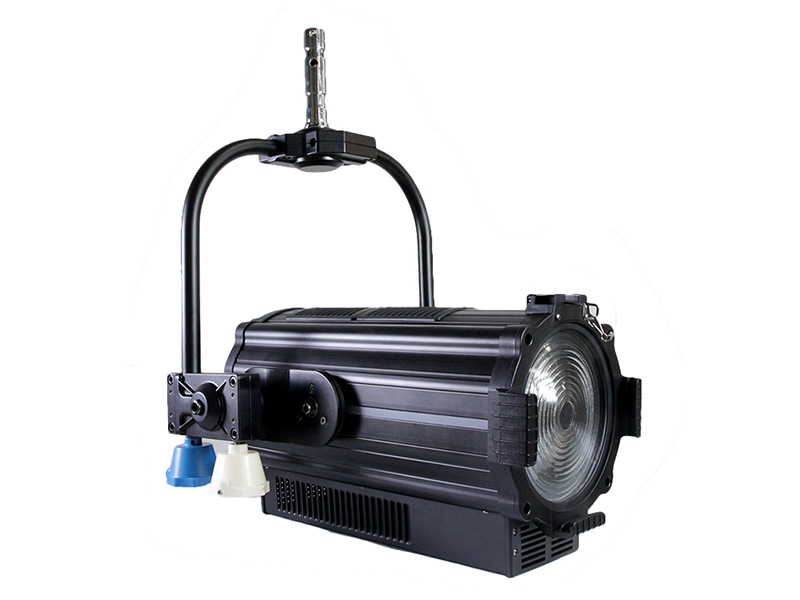
Main Light Source: LED auto show lights (4000K neutral light, CRI ≥ 90), evenly distributed on the top of the exhibition hall with a spacing of 3-4m to avoid overlapping shadows.
Main exhibit cars (such as debut models and flagship models) are the “center stage” of the auto show. The “three-point lighting method” (key light + fill light + rim light) is used to create a “cinematic close-up,” giving every design element storytelling appeal.
Function: Illuminates the main visual surface of the front/sides of the car (e.g., the waistline of a sports car, the muscular wheel arches of an SUV) to emphasize the model’s positioning (sporty/luxury/tech).
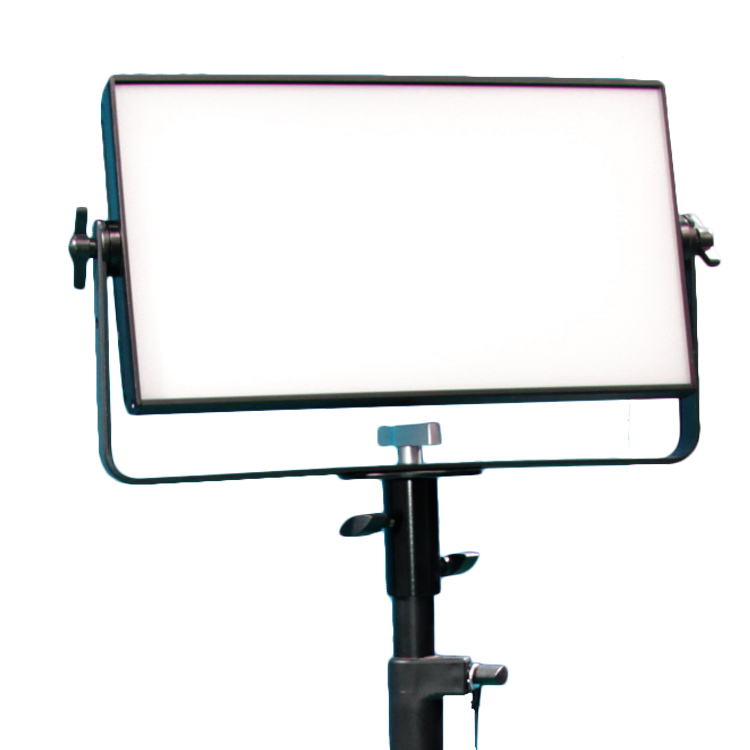
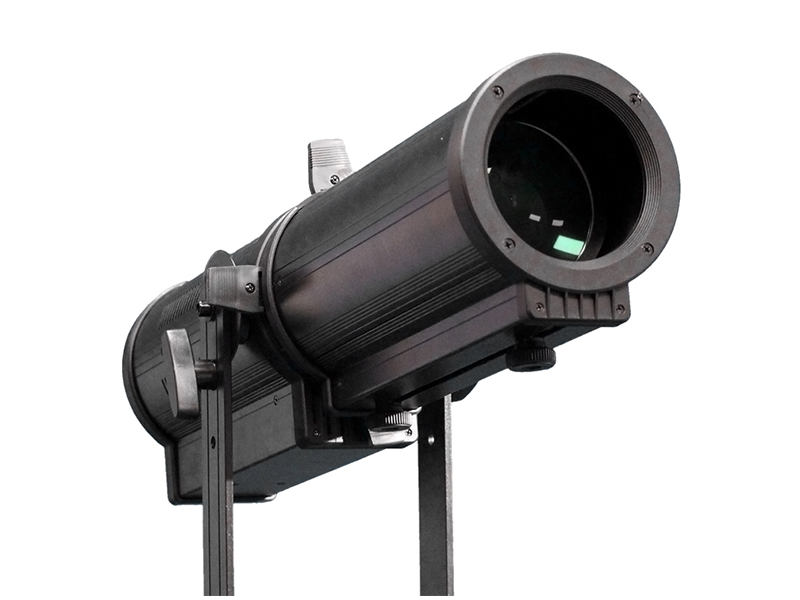
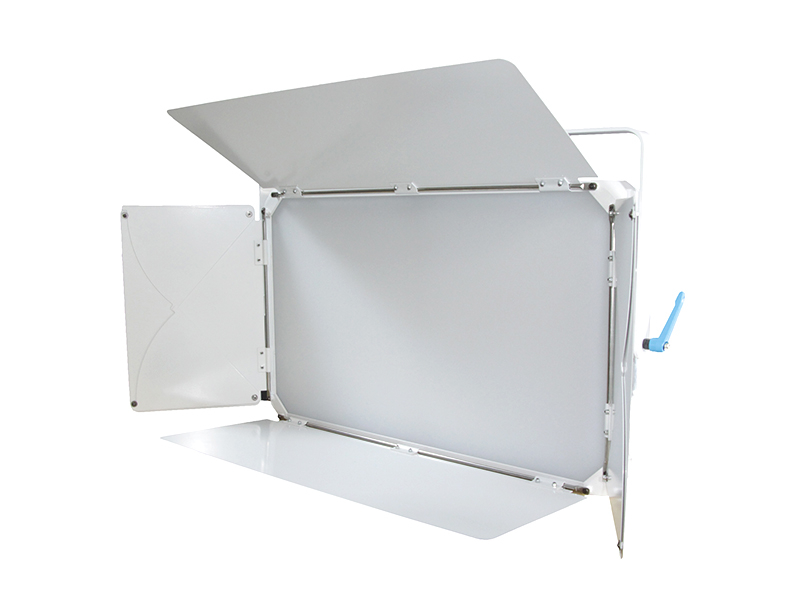
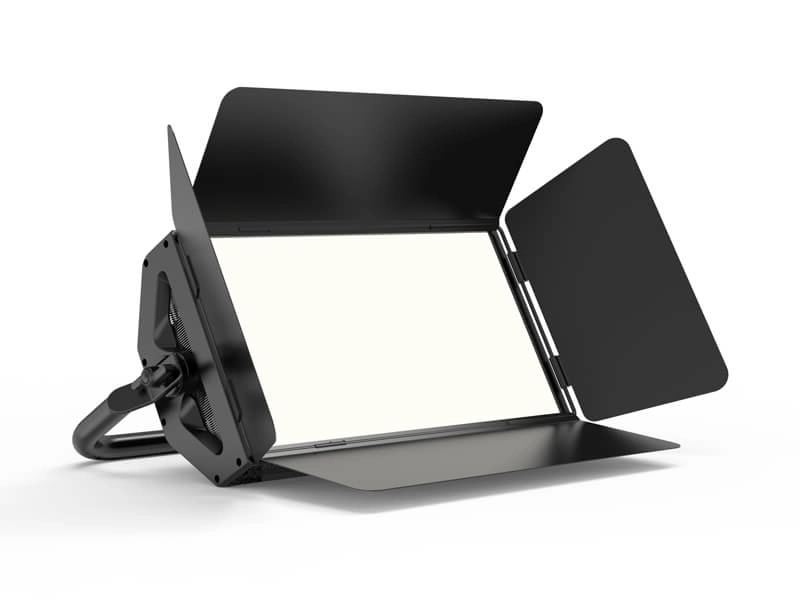
Fixture Selection: LED panel lights or a combination of spotlights.
Lighting Logic:
Position: Symmetrical to the key light, slightly lower in height (3-4m), with brightness 1/3-1/2 of the key light.
Tips: For piano black paint, add 10% warm light (3000K) to the fill light to avoid “dead black”; for white paint, use cool white light (4500K) for the fill light to enhance transparency.
An auto show is not just about “viewing cars” but also “experiencing brands.” Dynamic lighting transforms brand concepts into perceptible emotions through color changes, rhythm control, and scene linkage.
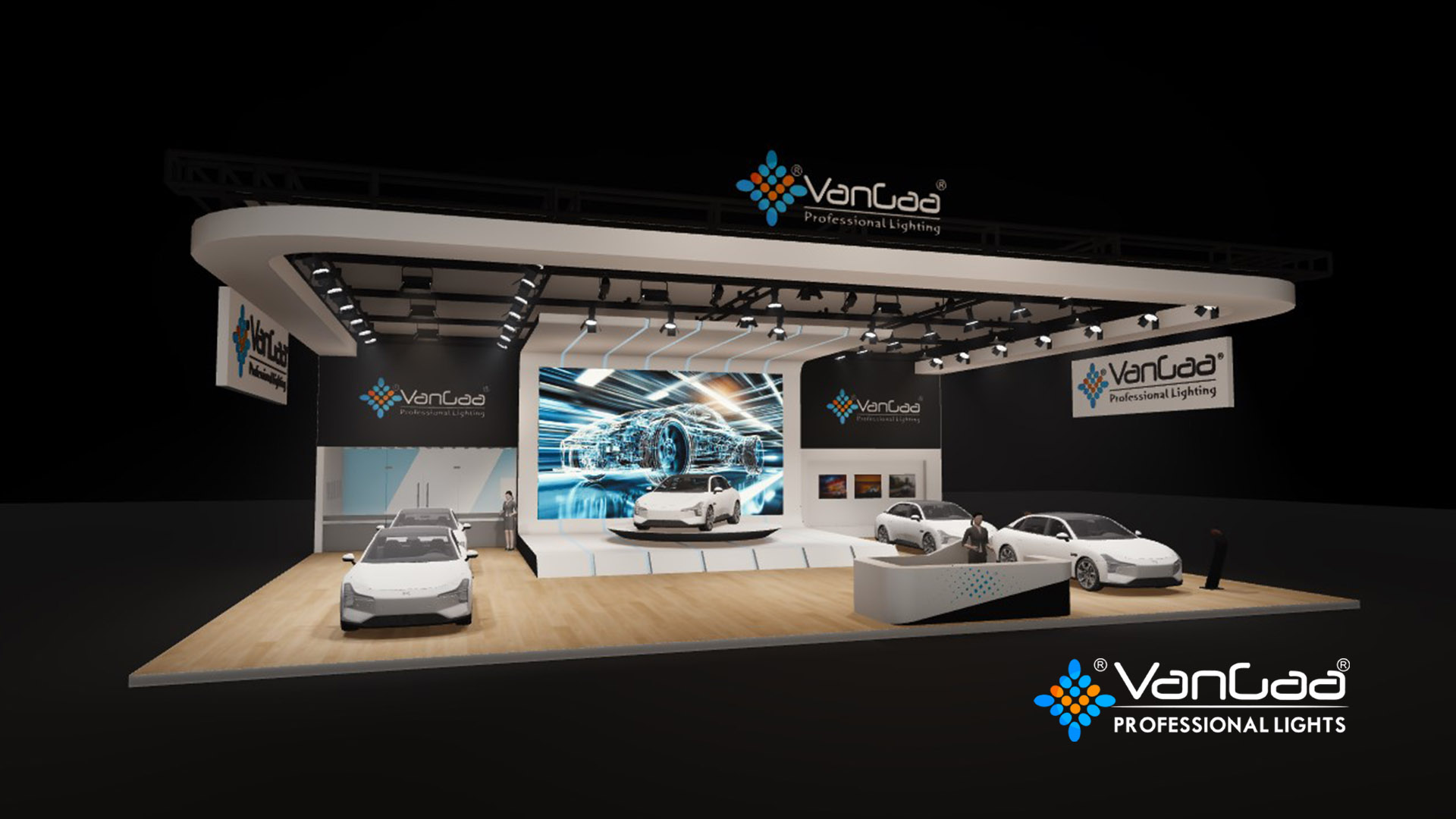
Scenario: A 2000㎡ exhibition hall (8m ceiling height) with a 12m-wide main stage for launching a new electric coupe.
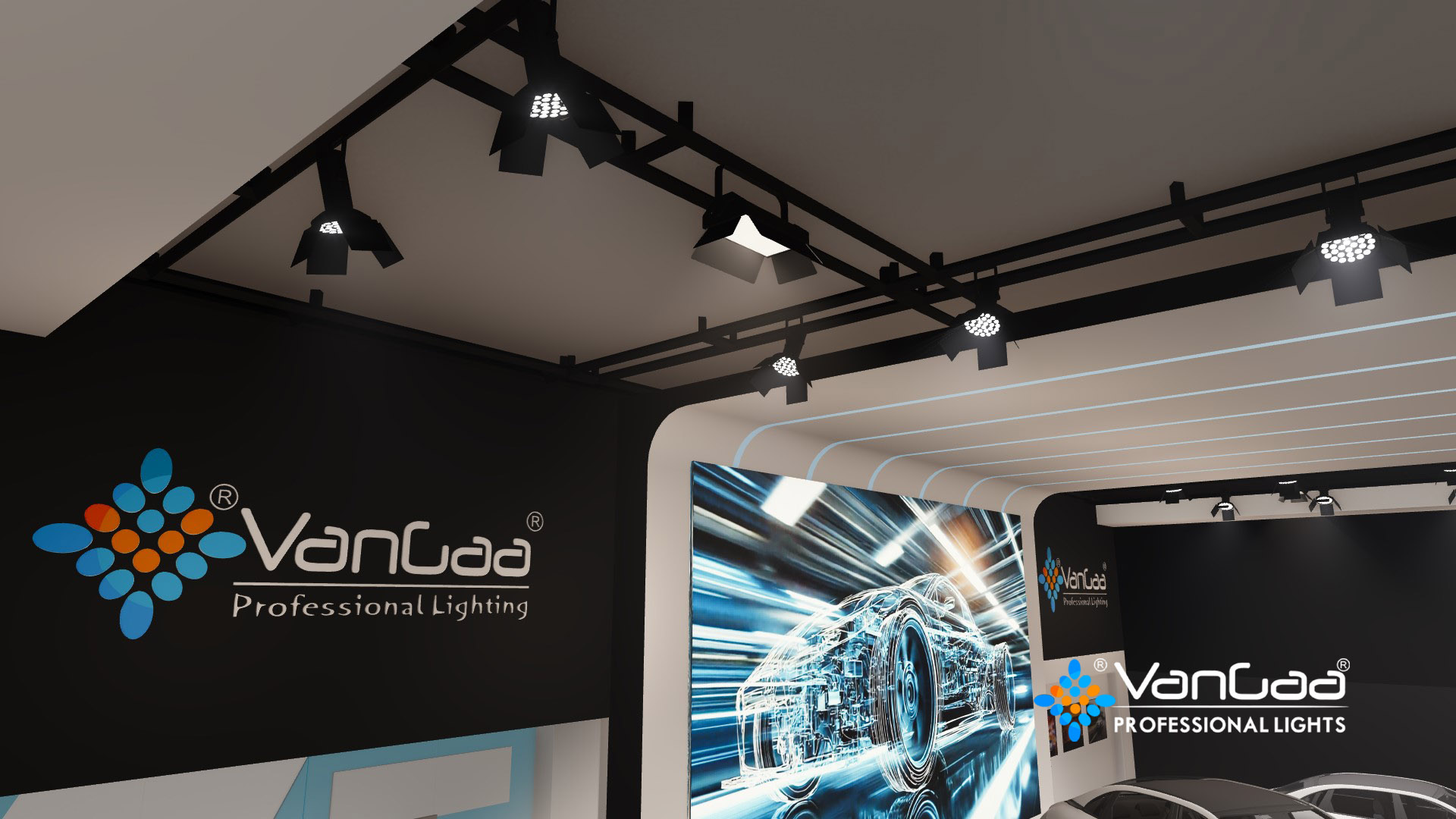
Effect Indicators: Uniformity of body curve reflections >90%, paint color difference restoration error <5% (no visible deviation), dynamic lighting response delay <0.3 seconds, visitor dwell time extended by 30%.
Cost Control: Total equipment investment approximately 80,000-120,000 RMB (including rental), saving 30% compared to traditional “multiple light stacking” solutions; preset 10 scenes via DMX512 system, requiring only 1 lighting technician, reducing labor costs by 40%.
Auto show lighting is not about “illuminating cars” but “translating cars”—using precise light and shadow to give mechanical steel warmth and cold parameters a story. Remember: Good lighting doesn’t need to be “brilliantly lit everywhere,” but rather “car-human unity.” When a visitor stands before an exhibit, sees their shadow overlap with the car’s lines, and feels the brand color flow in their eyes, that is the most successful form of auto show lighting. Use light and shadow as a brush to make every car the “brightest star” at the auto show.