 English


Views: 0 Author: Site Editor Publish Time: 2026-07-03 Origin: Site


In professional lighting design, brightness alone is never enough. A good lighting fixture must create the right beam shape, protect visual comfort, support accurate color, reduce unnecessary heat, and adapt to different scenes. This is why many theaters, TV studios, churches, auditoriums, conference halls, and live event spaces continue to use Fresnel-style lighting.
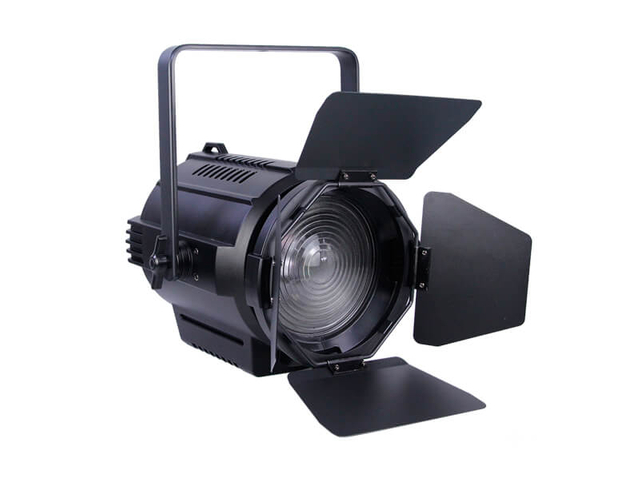
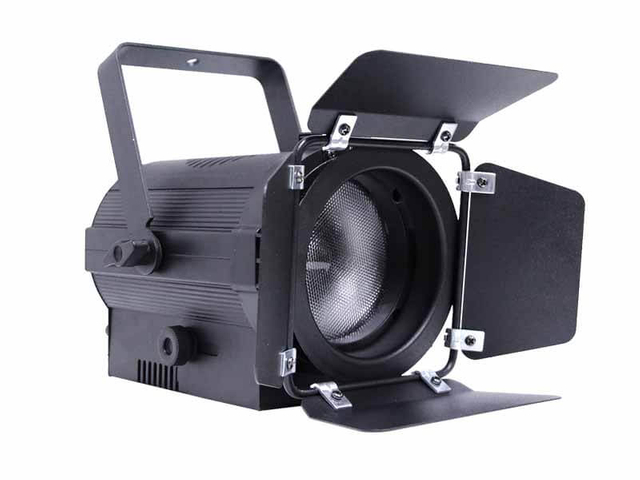
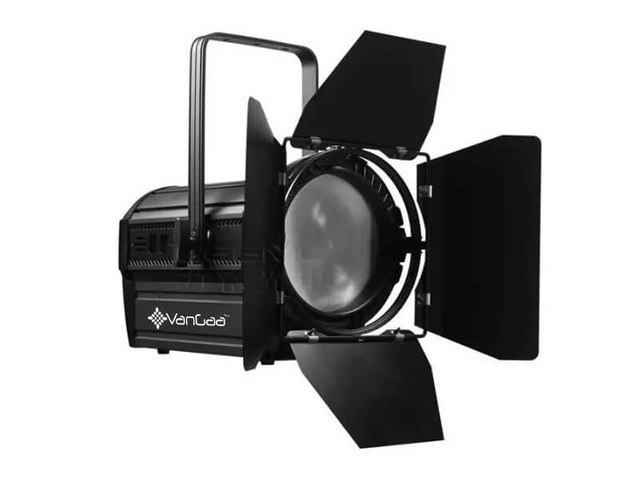
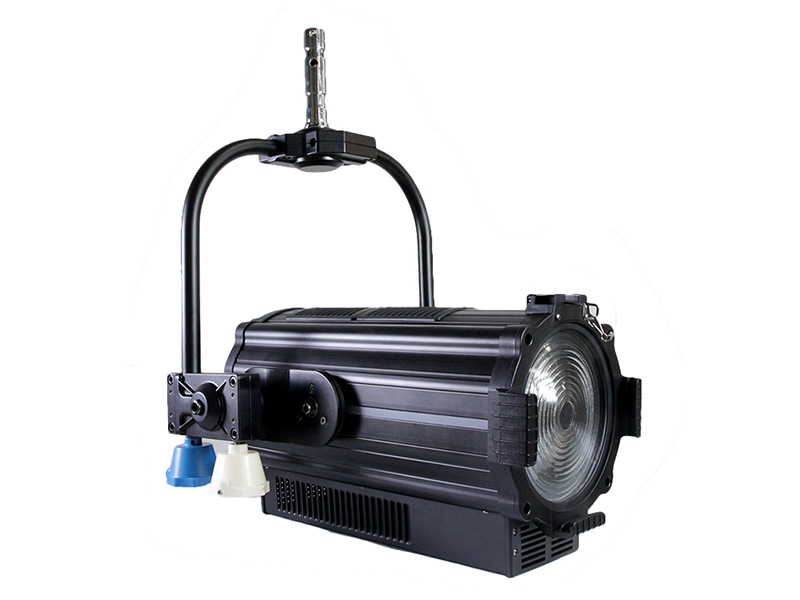
Today, the LED Fresnel Spot Light has become a practical illumination choice for modern stage and studio projects. It combines the classic soft-edged beam of a Fresnel light with the efficiency, control, and flexibility of LED technology.
Unlike a profile spotlight that creates a sharp beam edge, or a PAR light that mainly provides wide color wash, an LED Fresnel Spot Light is designed to deliver soft, focused, and adjustable illumination. It can highlight a speaker, performer, actor, product, or stage area without making the light look too harsh.
For project buyers, lighting designers, and venue managers, the key question is not only “What is a Fresnel light?” but also “Why should I use one?” This article explains why a Fresnel light can be the right choice, where it works best, when it may not be ideal, and how to choose the right LED Fresnel Spot Light for your application.
An LED Fresnel Spot Light is a smart illumination choice when you need soft, adjustable, and professional lighting for stage, studio, theatre, broadcast, church, or event applications.
It is popular because it offers:
Soft-edged illumination for natural visual effects
Adjustable spot-to-flood beam control
Lower power consumption than traditional tungsten Fresnel lights
Less heat for performers, presenters, and production teams
High color rendering for camera and stage use
DMX control for professional lighting systems
Better flexibility for multipurpose venues
In short, a Fresnel light is not just a lighting fixture. It is a flexible tool for creating comfortable, controlled, and visually balanced illumination.
A Fresnel light is different because of its beam quality. It uses a Fresnel lens to produce a soft-edged beam that can be adjusted from a narrow spot to a wider flood.
This means the light does not stop suddenly at the edge. Instead, it fades more naturally, making it easier to blend with other lights on stage or in a studio.

A Fresnel light is often used when the lighting effect needs to look:
Smooth
Natural
Comfortable
Controlled
Professional
Easy to blend with other fixtures
This is why Fresnel lights are often used for front lighting, key lighting, speaker lighting, actor lighting, studio lighting, and general stage area lighting.
An LED Fresnel Spot Light keeps these classic Fresnel advantages while adding the benefits of LED technology, such as lower energy use, lower heat, longer service life, and more flexible control.
There are several reasons why an LED Fresnel Spot Light is widely used in modern lighting projects. Its value comes from both light quality and operational efficiency.
The biggest reason to use a Fresnel light is its soft-edged beam. In many lighting environments, a harsh beam can make people, scenery, or objects look unnatural. It can create strong contrast, uncomfortable glare, or obvious light edges.
A Fresnel light helps solve this problem.
Its beam is focused enough to highlight a subject, but soft enough to blend smoothly into the surrounding area. This makes it ideal for:
Actor facial lighting
Speaker and presenter lighting
Studio key lighting
Theatre front lighting
Church stage lighting
Interview lighting
Performance area lighting
For example, when lighting a presenter in a conference hall, a hard spotlight may create a sharp and theatrical look. A Fresnel light can make the presenter look clear, natural, and comfortable without making the lighting feel too aggressive.
Another important reason to use an LED Fresnel Spot Light is beam angle flexibility. Many Fresnel fixtures allow the beam to move from a narrow spot to a wider flood.
This allows one fixture to serve different purposes.
Beam Mode | Lighting Effect | Common Use |
|---|---|---|
Narrow spot | Focused and concentrated light | Highlighting a performer, speaker, or object |
Medium beam | Balanced subject coverage | Studio key light or stage area light |
Wide flood | Broader soft coverage | Group lighting, platform lighting, or wash effect |
This flexibility is useful for multipurpose venues. A school auditorium, for example, may host speeches, ceremonies, theatre shows, music performances, and livestream events. A fixture with adjustable beam control can adapt to different layouts without requiring a full fixture replacement.
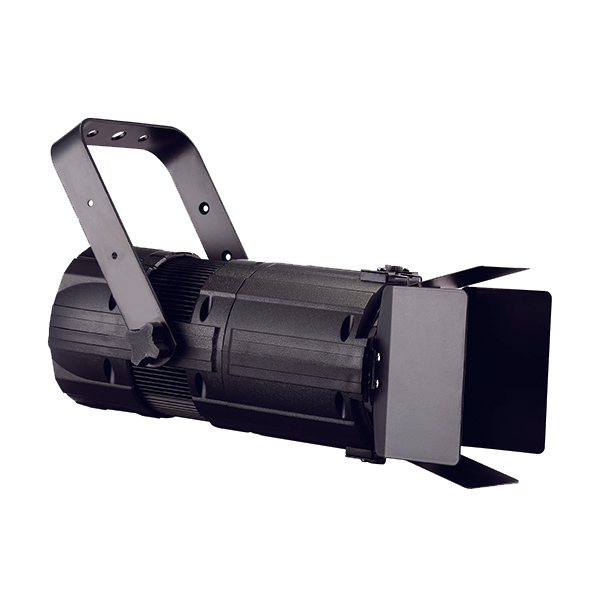
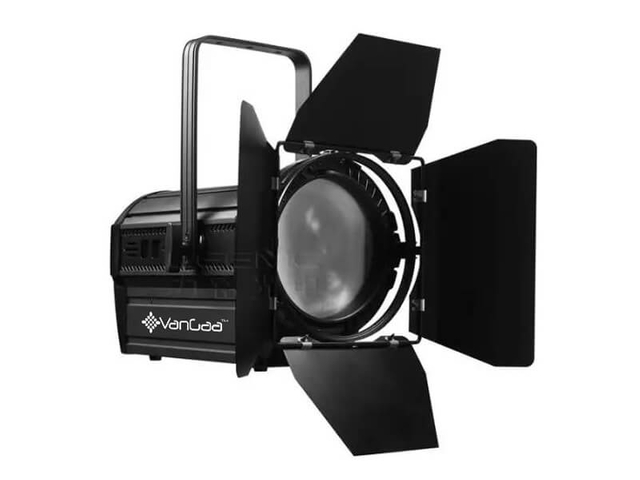
For users comparing different fixtures, VanGaa’s LED Fresnel Spot Light series includes options designed for stage, theatre, television, and studio room lighting applications.
Traditional tungsten Fresnel lights are known for their warm output and classic lighting effect, but they also consume more power and generate more heat. For venues that operate lights for many hours, this can increase electricity costs and cooling pressure.
An LED Fresnel Spot Light can reduce these issues.
LED technology helps provide strong illumination with lower power consumption. It also reduces the need for frequent lamp replacement, which can lower maintenance costs over time.
Key advantages include:
Lower energy consumption
Reduced heat output
Longer working life
Less maintenance
More stable performance for long events
Better suitability for daily operation
For TV studios, churches, schools, and event venues, these advantages can make LED Fresnel lighting more practical for long-term use.
In professional lighting, color quality is extremely important. A light may be bright, but if it does not render colors accurately, skin tones, costumes, stage scenery, makeup, and products may look unnatural.
This is why CRI and TLCI are important for studio and stage lighting.
A high CRI LED Fresnel Spot Light can help display colors more accurately. This is especially useful for:
TV broadcasting
Film production
Theatre performance
Photography
Livestreaming
Product presentation
Makeup rooms
Interview studios
For camera use, poor color rendering can create problems in post-production. A high-quality LED Fresnel light helps reduce this issue by producing more natural and reliable color output.
Heat is a major issue in traditional stage and studio lighting. Hot fixtures can make performers uncomfortable, affect presenters during long speeches, and increase the temperature in small rooms.
LED Fresnel Spot Lights produce less heat than many traditional lighting fixtures. This helps create a better working environment for:
Actors
Hosts
Singers
Camera operators
Technicians
Worship teams
Speakers
Interview guests
Lower heat is especially useful in small studios, interview rooms, church livestream rooms, classroom recording spaces, and conference halls where air circulation may be limited.
Modern lighting projects often require precise control. A fixture may need dimming, beam adjustment, DMX operation, or integration into a larger lighting system.
Many LED Fresnel Spot Lights support professional control methods such as DMX, manual zoom, motorized zoom, and smooth dimming. These features help lighting operators adjust the fixture according to different scenes.
For example, a 200W LED DMX zoom Fresnel light can be useful when the lighting team needs adjustable beam control and professional operation for theatre, studio, or broadcast environments.
Reason | Practical Value | Best-Fit User |
|---|---|---|
Soft-edged beam | Creates natural and comfortable illumination | Lighting designers, stage operators |
Adjustable beam angle | Supports both spot and flood use | Theatres, studios, multipurpose venues |
LED efficiency | Reduces power use and heat | Schools, churches, venues |
High color rendering | Improves skin tone and object color | TV studios, film crews, theatres |
DMX control | Supports professional lighting systems | Broadcast rooms, stages, event venues |
Low heat output | Improves comfort during long use | Performers, speakers, production teams |
Flexible installation | Works in fixed or mobile projects | Integrators, rental teams, venue managers |
A Fresnel light is the best choice when the project needs soft, controlled, and adjustable lighting. It is not designed only for one type of venue. It can be used in many professional spaces.
In theatre lighting, Fresnel lights are often used for front light, side light, back light, and area lighting. Their soft beam helps actors look natural while allowing lighting designers to control the direction and coverage of the light.
A Fresnel light is useful when the stage requires smooth transitions between bright and dark areas.
TV studios require clean, stable, and camera-friendly light. LED Fresnel lights can be used as key lights, fill lights, or background lights. Their soft beam helps presenters and guests look more natural on camera.
For broadcast environments, high CRI, low heat, smooth dimming, and quiet operation are important selection points.
Film and video teams need lighting fixtures that can adapt quickly to different scenes. An LED Fresnel Spot Light can provide controlled highlights, soft facial lighting, or directional lighting for indoor production.
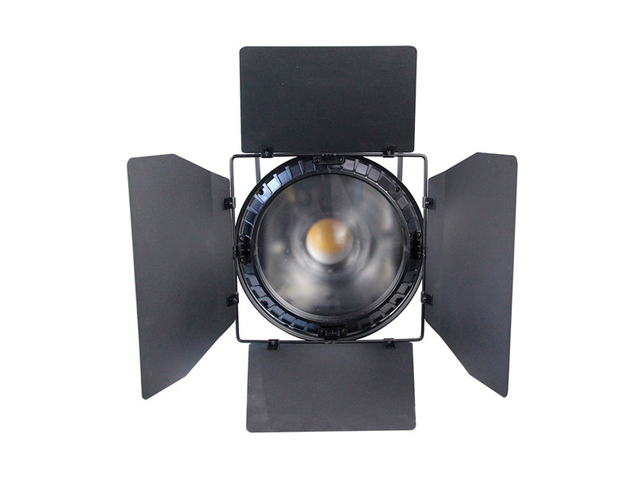
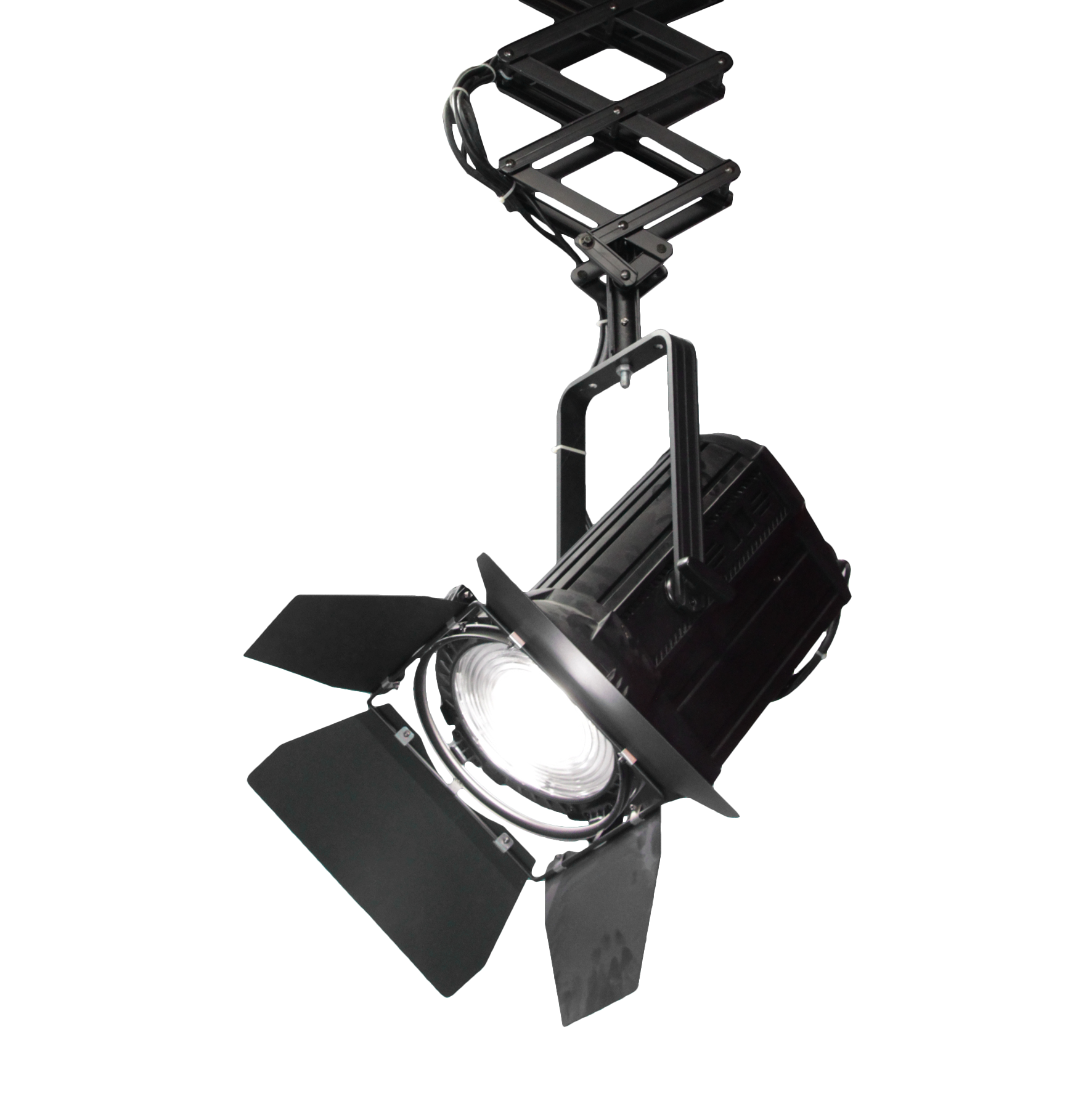
With barn doors, the light can also be shaped more carefully to reduce spill and keep the beam focused on the right area.
Church lighting often needs to support sermons, worship bands, choirs, stage events, and livestreaming. Fresnel lights are useful because they create comfortable illumination for speakers and performers.
For livestreaming churches, low-noise and high-color-rendering fixtures can improve both video quality and audio conditions.
Conference halls and auditoriums often host many types of events, including speeches, ceremonies, product launches, performances, and school activities. An LED Fresnel Spot Light can provide clear platform lighting while keeping the visual effect soft and professional.
Its adjustable beam also helps adapt to different seating layouts, stage sizes, and presentation formats.
Venue Type | Why Fresnel Works Well | Recommended Fixture Features |
|---|---|---|
Theatre | Soft beam blends naturally on stage | Adjustable beam, barn doors, DMX control |
TV studio | Camera-friendly subject lighting | High CRI, low noise, stable dimming |
Film set | Flexible light shaping | Spot-to-flood adjustment, accurate color |
Church | Comfortable speaker and worship lighting | Quiet cooling, soft beam, easy control |
Conference hall | Clean and focused illumination | White light, smooth dimming, simple operation |
School auditorium | Supports different event types | Durable design, flexible beam angle |
Live event venue | Combines focus and soft coverage | Strong output, DMX control, reliable structure |
A Fresnel light is useful, but it is not the only type of stage light. Choosing the right lighting fixture depends on the effect you need.
Fixture Type | Main Beam Effect | Main Strength | Limitation | Best Use |
|---|---|---|---|---|
LED Fresnel Spot Light | Soft-edged adjustable beam | Natural and flexible illumination | Not ideal for sharp gobo projection | Stage, theatre, studio, TV |
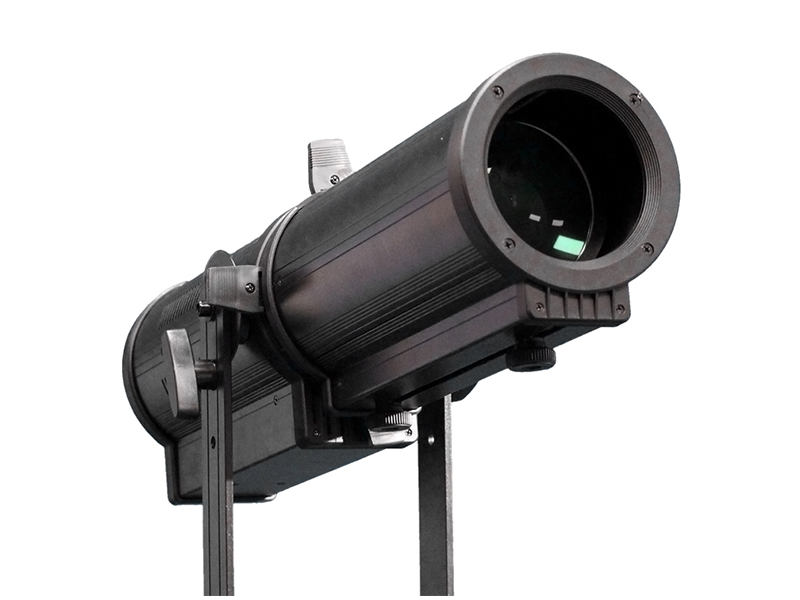
LED Profile Spotlight | Hard-edged precise beam | Sharp framing and pattern projection | Less soft and natural | Theatre framing, gobo, logo projection |
LED PAR Light | Wide wash beam | Simple color wash | Less beam shaping control | Events, background color, concerts |
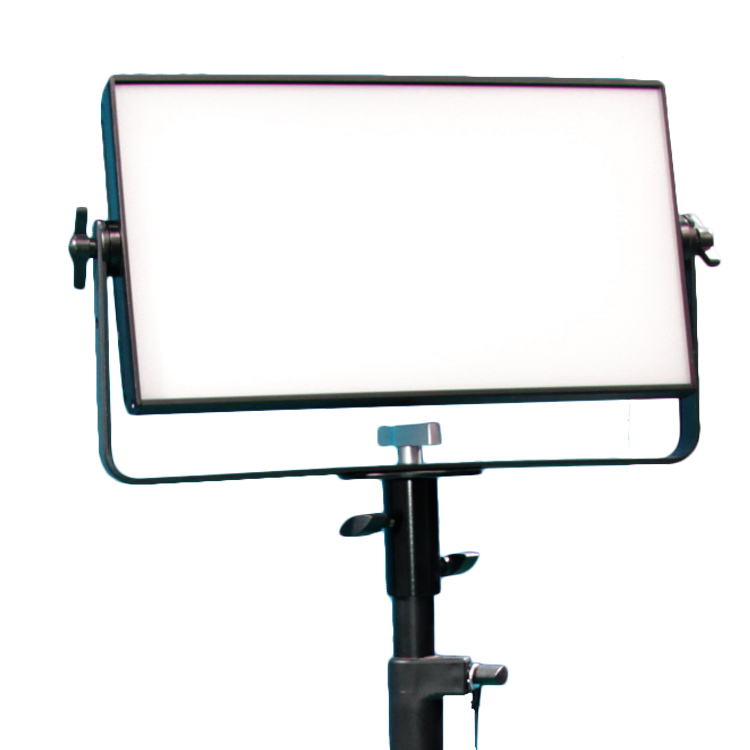
LED Panel Light | Broad soft light | Even close-range illumination | Less long-distance punch | Video, interview, studio fill light |
Moving Head Light | Dynamic moving beam | Effects and movement | More show-oriented than natural | Concerts, clubs, stage effects |
If the project needs soft and adjustable illumination, an LED Fresnel Spot Light is usually a strong choice. If the project needs precise framing or gobo projection, a profile spotlight may be better. If the goal is atmosphere color wash, a PAR light may be more practical.
A Fresnel light is highly useful, but it is not perfect for every lighting task. Understanding its limits can help buyers make better decisions.
A Fresnel light may not be the best choice when:
You need sharp logo or pattern projection.
You need very hard beam edges.
You need fast-moving stage effects.
You need wide color wash across a large background.
You need compact interview lighting at very close range.
In these cases, another fixture may be more suitable.
Lighting Need | Better Fixture Choice |
|---|---|
Sharp logo projection | LED profile spotlight |
Wide color background | LED PAR light |
Dynamic movement effects | Moving head light |
Even close-range soft light | LED panel light |
Decorative beam effects | Beam moving head or effect light |
This does not reduce the value of a Fresnel light. It simply shows that Fresnel lighting is best used for soft, controlled, and professional illumination rather than special effects or sharp projection.
Before choosing an LED Fresnel Spot Light, buyers should evaluate the actual project conditions. A suitable fixture should match the venue, lighting distance, control system, and visual requirements.
Beam angle controls how wide or narrow the light output will be. A narrow beam is better for highlighting a specific subject. A wider beam is better for covering a stage area or platform.
For multipurpose venues, choose a fixture with adjustable spot-to-flood control.
Power selection should be based on venue size and throw distance. A small studio may need a lower-power fixture, while a large theatre or auditorium may need a higher-power model.
General reference:
Power Range | Suitable Application |
|---|---|
100W | Small studio, short-distance subject lighting |
200W | TV studio, church stage, medium venue |
300W | Theatre, auditorium, event stage |
400W and above | Larger stage, longer throw distance, stronger output needs |
The correct choice should not be based only on wattage. Beam angle, lens quality, color rendering, and installation distance also matter.
Color temperature affects the mood and visual appearance of the light.
Common options include:
3200K warm white for theatre and warm stage environments
5600K daylight for studio, video, and broadcast use
Bi-color options for flexible white light adjustment
RGBW or RGBAL options for creative color effects
For venues that host different events, bi-color or full-color options can provide more flexibility.
CRI and TLCI are important for camera and stage applications. High values help ensure more accurate skin tones, costumes, scenery, and object colors.
This is especially important for:
TV stations
Film production
Theatre performance
Livestreaming rooms
Product display
Photography studios
If the light will appear on camera, color quality should be a priority.
Different projects require different control methods. A simple venue may only need manual control. A professional theatre or studio may need DMX control and motorized zoom.
Common control options include:
Manual dimming
Manual zoom
DMX control
Motorized zoom
Console integration
LCD menu setting
For fixed installations, DMX control can improve daily operation and scene management.
Noise level is important in studios, recording rooms, interview rooms, and livestreaming spaces. A loud fan may affect audio recording and production quality.
For these environments, choose a low-noise or fanless Fresnel fixture when possible.
Before buying, check how the fixture will be installed.
Important questions include:
What is the mounting height?
What is the throw distance?
Will the fixture be installed on a truss, ceiling track, lighting bar, or tripod?
Is the fixture for fixed installation or mobile use?
Is there enough space for cooling?
Is DMX cabling required?
Is safety rope required?
A good lighting plan should consider not only brightness, but also safety, maintenance, and daily operation.
Selection Factor | What to Check | Why It Matters |
|---|---|---|
Beam angle | Spot-to-flood range | Determines coverage and focus |
Power | 100W, 200W, 300W, 400W+ | Matches venue size and throw distance |
Color temperature | 3200K, 5600K, bi-color, RGBW | Affects mood and camera balance |
CRI/TLCI | High color rendering values | Improves skin tone and color accuracy |
Control | Manual, DMX, motorized zoom | Supports different operation levels |
Noise | Fanless or low-noise design | Important for studios and recording |
Installation | Truss, ceiling, stand, track | Affects safety and usability |
Application | Stage, studio, church, event | Determines the right product type |
VanGaa provides professional stage and studio lighting solutions, including LED Fresnel Spot Lights for theatre, television, studio room, church, auditorium, and conference hall applications.
VanGaa LED Fresnel Spot Light products can support different project needs, such as:
Soft field lighting
Adjustable beam angle
Manual or motorized zoom
DMX control
High CRI options
White light, bi-color, and full-color options
Stage and studio installation
Theatre and TV station lighting projects
For buyers, the key is not simply choosing a Fresnel light, but choosing the right Fresnel light for the actual project. Venue size, beam angle, throw distance, color temperature, control method, and noise requirements should all be considered.
If you are planning a lighting project for a theatre, TV studio, church, school auditorium, conference hall, or performance venue, VanGaa can help recommend a suitable LED Fresnel Spot Light solution based on your application.
View more VanGaa LED Fresnel Spot Light products or contact VanGaa to discuss your lighting requirements.
An LED Fresnel Spot Light is a strong illumination choice when a project needs soft, adjustable, and professional lighting. It offers a practical balance between beam quality, energy efficiency, color accuracy, heat control, and operational flexibility.
For stage, theatre, TV studio, church, auditorium, film, video, and conference hall applications, Fresnel lighting helps create comfortable and controlled illumination. Its soft-edged beam makes people and spaces look more natural, while its adjustable spot-to-flood function allows one fixture to serve different lighting needs.
However, a Fresnel light is not the best choice for every task. If you need sharp gobo projection, dynamic beam effects, or wide background color wash, another fixture type may be more suitable. But when the goal is natural, focused, and flexible illumination, an LED Fresnel Spot Light remains one of the most practical choices.
Looking for a reliable LED Fresnel Spot Light for your stage or studio project? Contact VanGaa to discuss your venue size, throw distance, beam angle, color temperature, control system, installation plan, and project requirements.
An LED Fresnel Spot Light is used because it provides soft, adjustable, and professional illumination. It is suitable for stage, studio, theatre, church, TV, film, and conference hall lighting where natural and controlled light is required.
Yes. A Fresnel light is very suitable for stage lighting because it creates a soft-edged beam that blends naturally across performance areas. It can be used for front lighting, side lighting, back lighting, and general stage area lighting.
A Fresnel light produces a soft-edged beam, while a profile spotlight creates a hard-edged and more precise beam. Fresnel lights are better for natural illumination, while profile spotlights are better for sharp framing, gobo projection, and logo projection.
Yes. LED Fresnel lights are widely used in TV studios because they provide soft, camera-friendly lighting. High CRI, low heat, smooth dimming, DMX control, and low-noise operation are especially useful for broadcast and video production.
The best beam angle depends on the lighting distance and coverage area. A narrow beam is better for highlighting one person or object, while a wider beam is better for covering a larger stage or platform. Adjustable spot-to-flood control is recommended for flexible use.
For many modern projects, yes. LED Fresnel lights use less energy, produce less heat, last longer, and support more control options. Traditional tungsten Fresnel lights still have a classic warm quality, but LED Fresnel lights are usually more practical for long-term operation.
They can be used in theatres, TV studios, film sets, churches, auditoriums, conference halls, schools, livestreaming rooms, and live event venues. They are suitable wherever soft, adjustable, and controlled lighting is needed.
You should consider beam angle, power, color temperature, CRI, TLCI, control method, noise level, mounting height, throw distance, and venue type. For professional projects, it is better to choose the fixture according to the actual lighting layout rather than wattage alone.