 English


Views: 0 Author: Site Editor Publish Time: 2025-12-09 Origin: Site


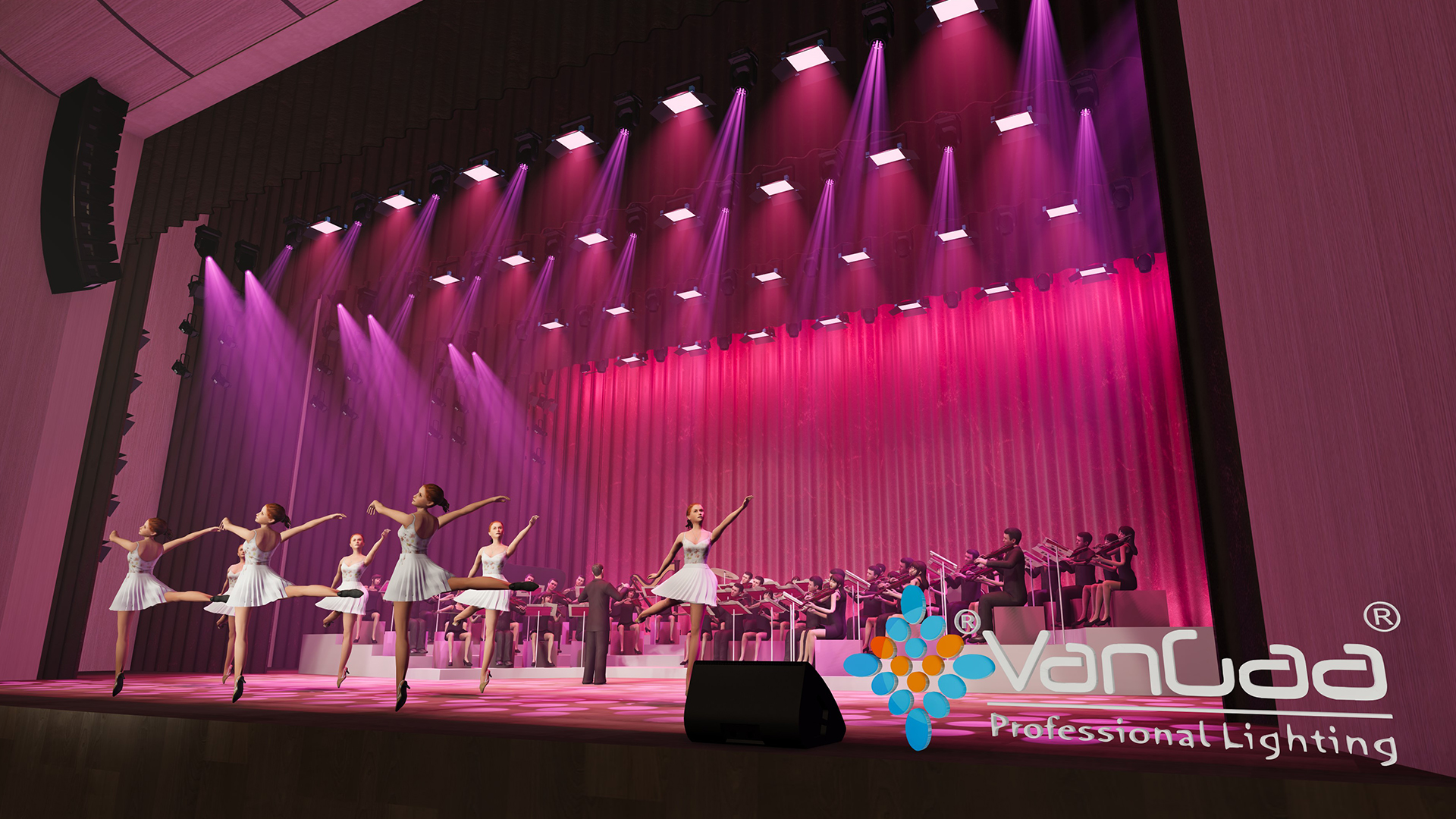
Stage lighting is the soul of theatrical and performance arts. In proscenium stages, the lighting position system achieves multiple goals—actor characterization, scene rendering, and atmosphere creation—through refined layouts across four key zones: frontal projection light, side projection light, top projection light, and background light. The following analysis unfolds from the spatial attributes and functional dimensions of each lighting position.
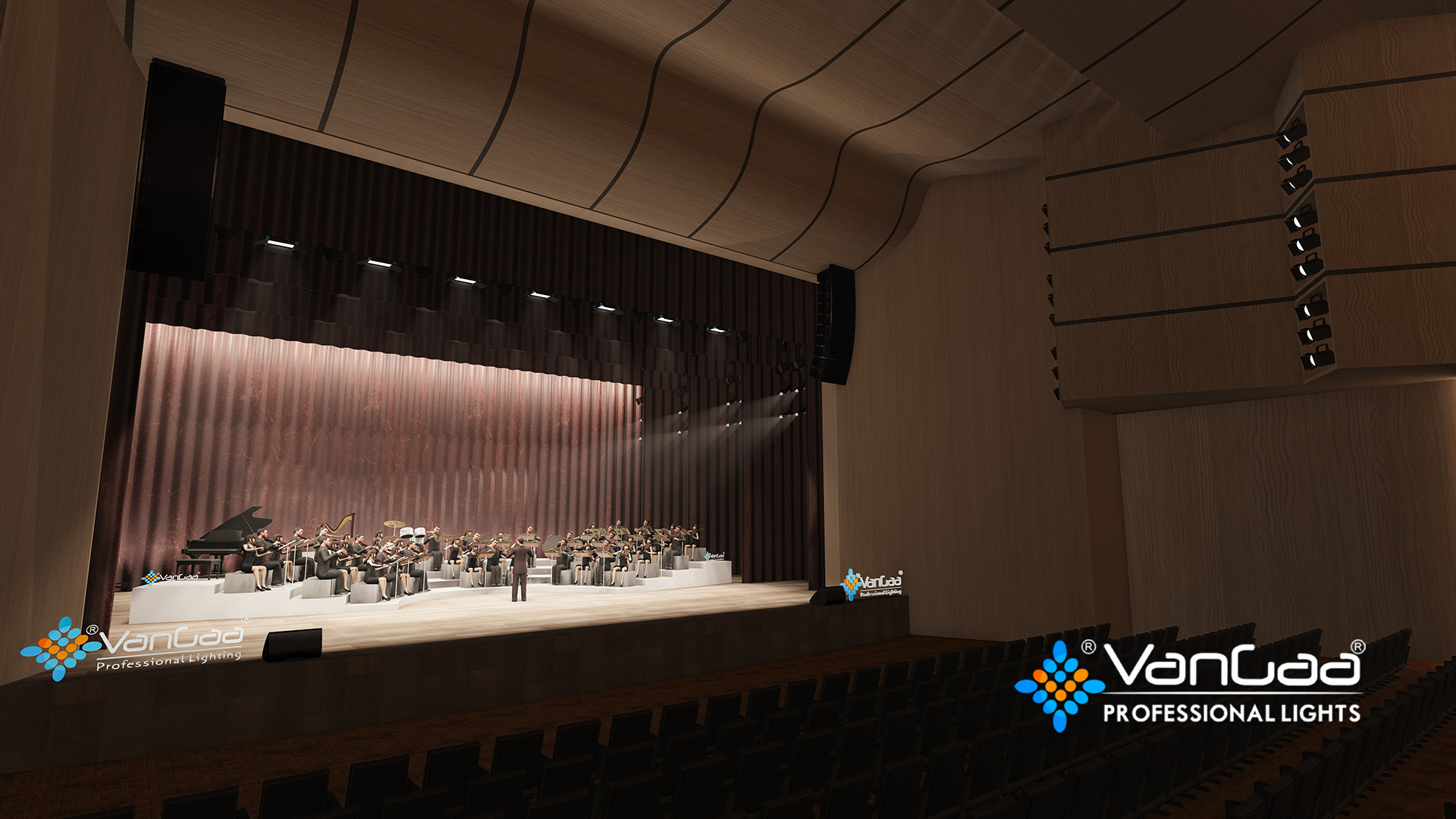
Frontal projection light is directed straight toward the audience, serving as the core source for shaping actor images and conveying emotions.
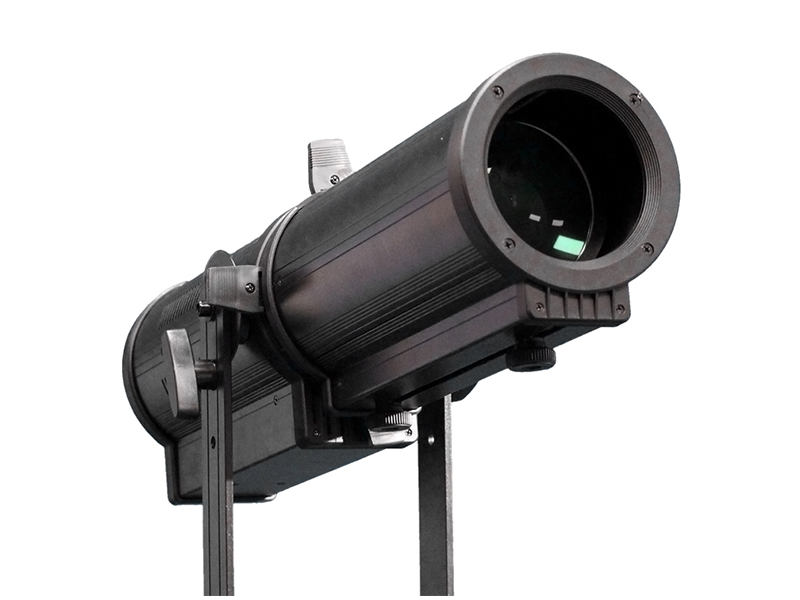
Front Light: Installed on the front top of the auditorium, divided into "first-run front light" and "second-run front light," with beams directly illuminating the front stage area. Its role focuses on illuminating actors' facial expressionsto let the audience clearly capture characters' demeanors, while providing basic stage brightness to anchor the visual center of gravity. Common fixtures include halogen lamps (for warm tones) and profile lights (for precise beam shaping).
Footlights: Lights projected upward from the front edge of the stage, breaking the traditional limitation of "high-position lighting." They eliminate lower facial shadows caused by front lights and illuminate the grand curtain behind the cyclorama. In suspense or horror genres, cool-toned footlights can create an eerie atmosphere, often achieved with LED par cans for soft light control.
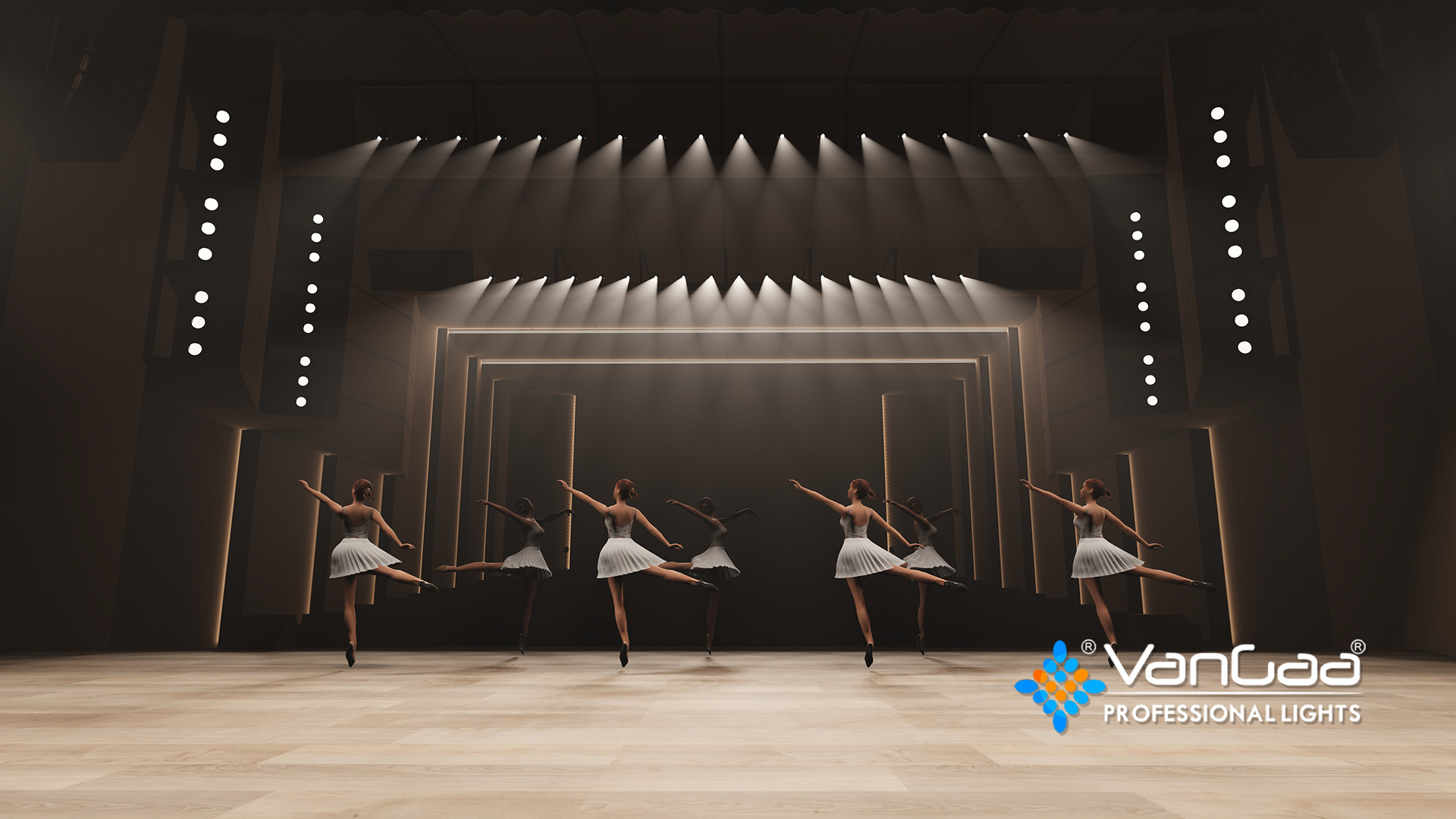
Side projection light centers on the stage mouth, orchestra pit, and both sides of the stage, using lateral beams to shape the three-dimensionality of characters and the spatial sense of scenes.
Wing Lights (Ear Lights): Positioned outside the stage mouth on both sides, arranged in a vertical layering structure. Beams obliquely cross the front edge of the stage to emphasize the side contours of actors and scenery, transforming a two-dimensional stage into a three-dimensional space (e.g., turning flat silhouettes into "sculptural forms"). As a key position for shaping character dimensionality, halogen lamps or profile lights are commonly used.
Column Lights: Installed at "column positions" (or on lighting battens) on both sides of the grand curtain inside the stage mouth, serving as extensions of wing lights. They fill gaps in side lighting intensity, ensuring smoother transitions between light and shadow in mid-to-close shots (e.g., unifying facial and torso brightness when a character turns sideways). Spotlights are applied for focused beams.
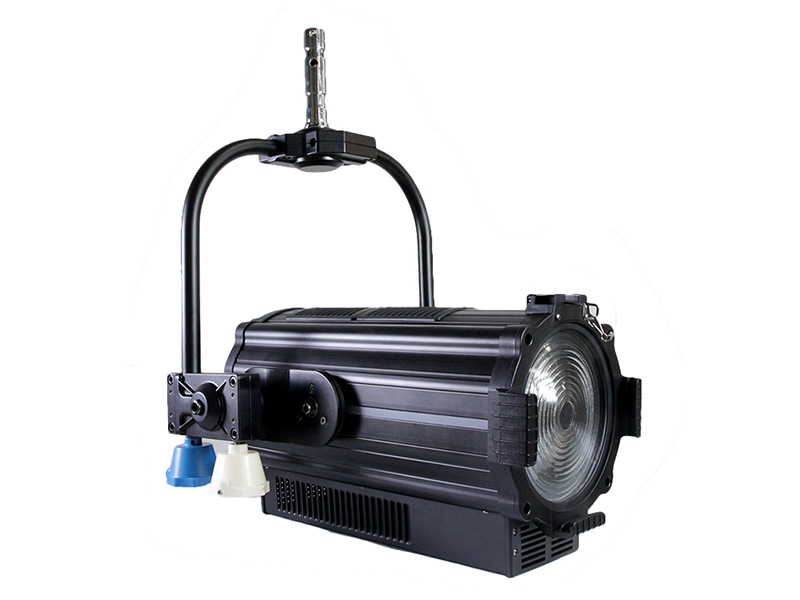
Side Lighting: Flexible positions on battens or light frames along both sides of the stage, with diverse projection methods (forward, backward, or lateral). By adjusting angles, it can highlight the volume of scenery (e.g., stone textures of a giant castle model, flowing layers of gauze) or create dramatic tension through "light-shadow division" (e.g., splitting the stage into light and dark zones in suspense plays to imply moral conflict). Combinations of soft lights and profile lights enable delicate control.
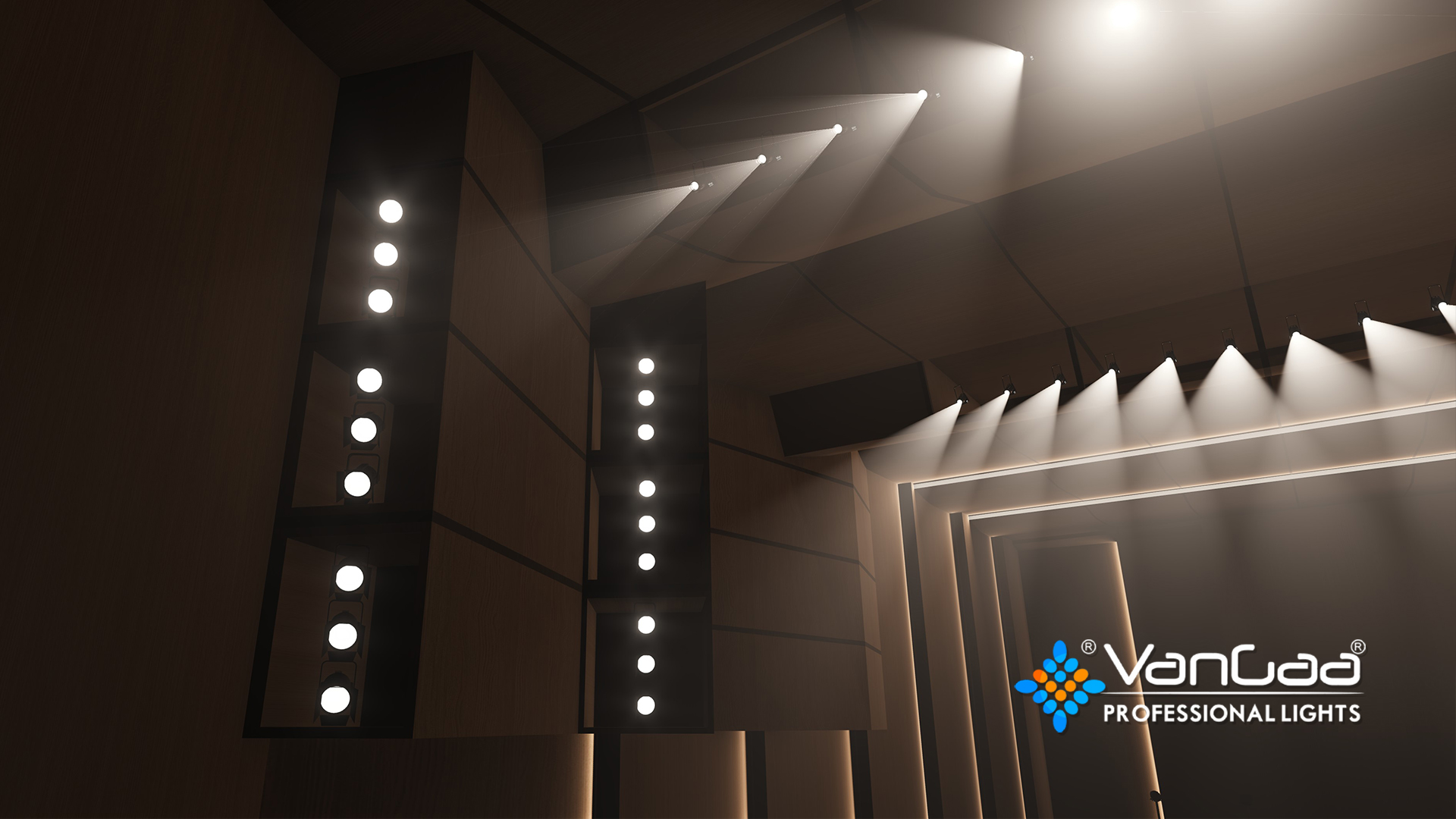
Top projection light is projected vertically or diagonally from above the stage, responsible for balancing overall brightness and creating special atmospheres.
Follow Spots (Mobile Lights): Movable light sources mounted on trusses along both sides of the stage, acting as mobile fill-light toolsto quickly adapt to scene changes (e.g., assisting follow spots or supplementing temporary light layers). For example, in musicals, follow spots can instantly shift from "warm banquet light" to "cold battlefield light." Spotlights are mainstream for stronger penetration.
Top Light: Projected downward from the top of the orchestra pit, forming a "main light framework" behind cyclorama scenes (starry skies, forests) or large sets. It also provides high-position fill light for faces, avoiding the "sunken facial effect" and imbalance caused by insufficient top lighting. Spotlights ensure precision even in complex sets.
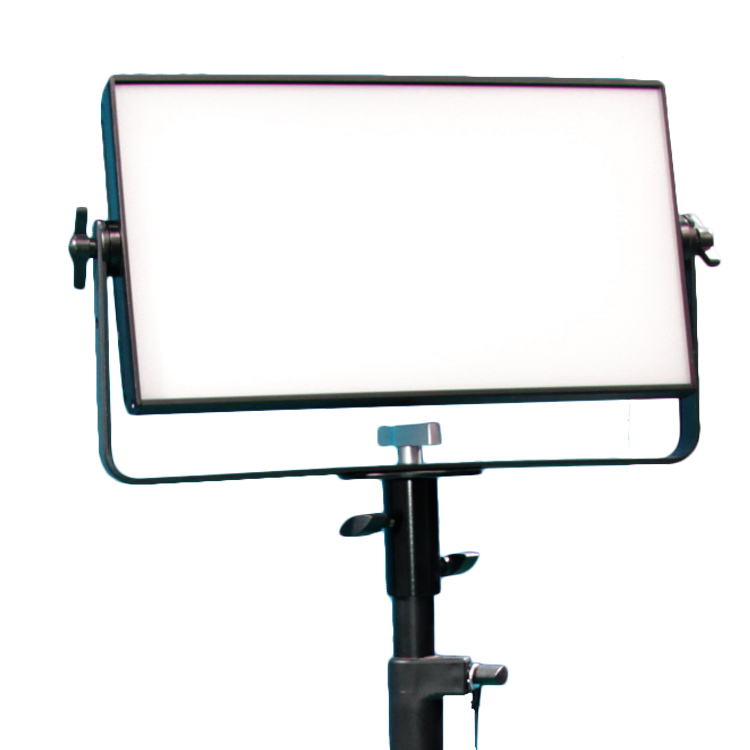
Top Row Lights: Layered lights projected downward from above the stage (ranging from one to three rows), functioning as "bottom lights"—eliminating stray light interference (e.g., audience leakage, equipment reflections) while illuminating the full stage for a seamless view. Combinations of soft lights and LED color wash lights achieve gradients from bright to hazy (e.g., morning mist, midnight fog).
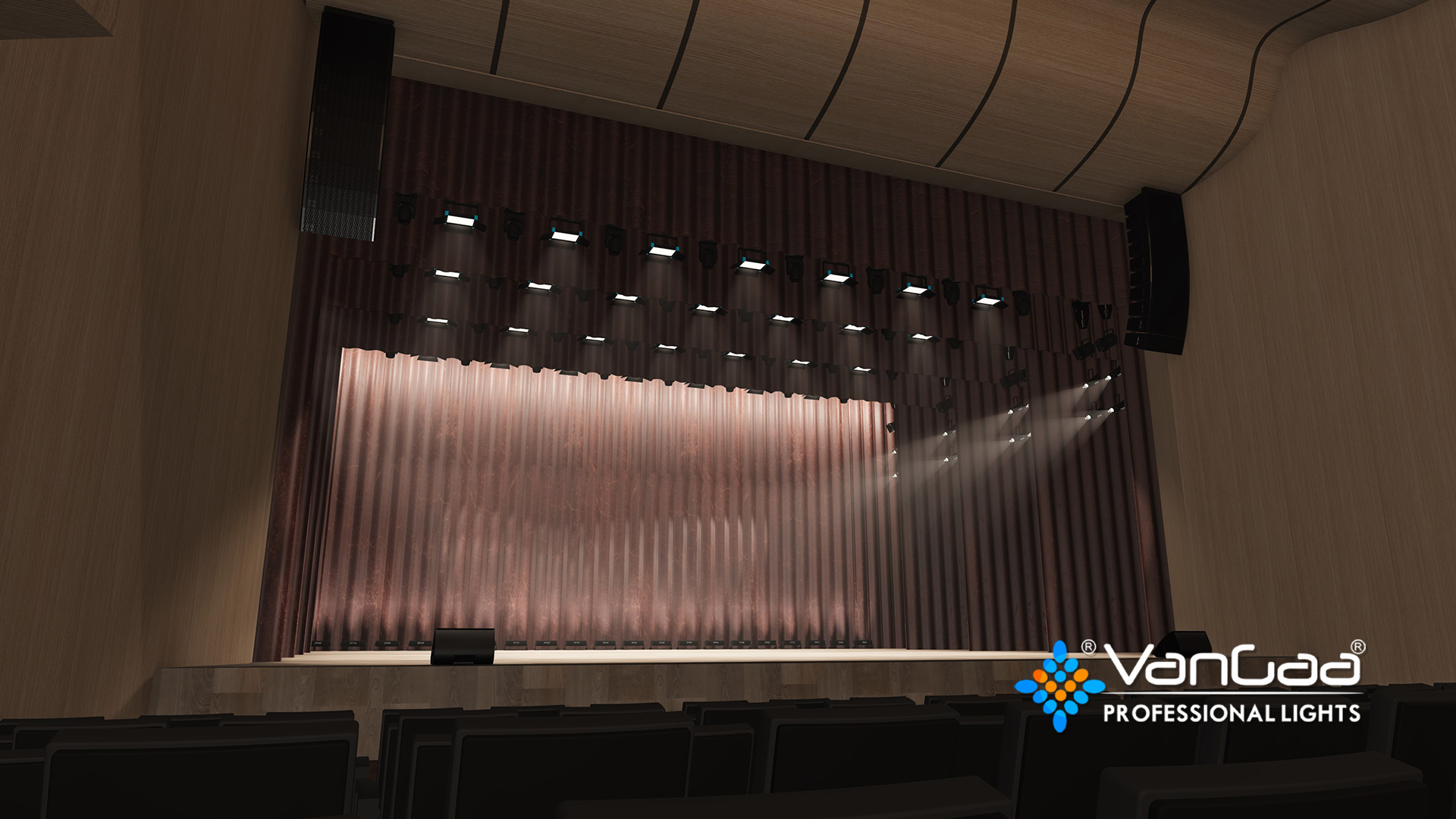
Background light focuses on rear-stage areas like the cyclorama and backdrops, serving as the core for shaping scene atmosphere.
Sky and Floor Row Lights: Bidirectional lights projected upward from above the cyclorama and downward from below, creating color gradientsand dynamic light effectsthrough "up-and-down rendering" (e.g., the cyclorama transitioning from orange-red to bright blue at sunrise; rolling cloud light in thunderstorms). With high color accuracy and adjustable brightness, LED sky-floor row lights have become a modern "ambience magic tool" (e.g., purple for magical forests, red for war smoke).
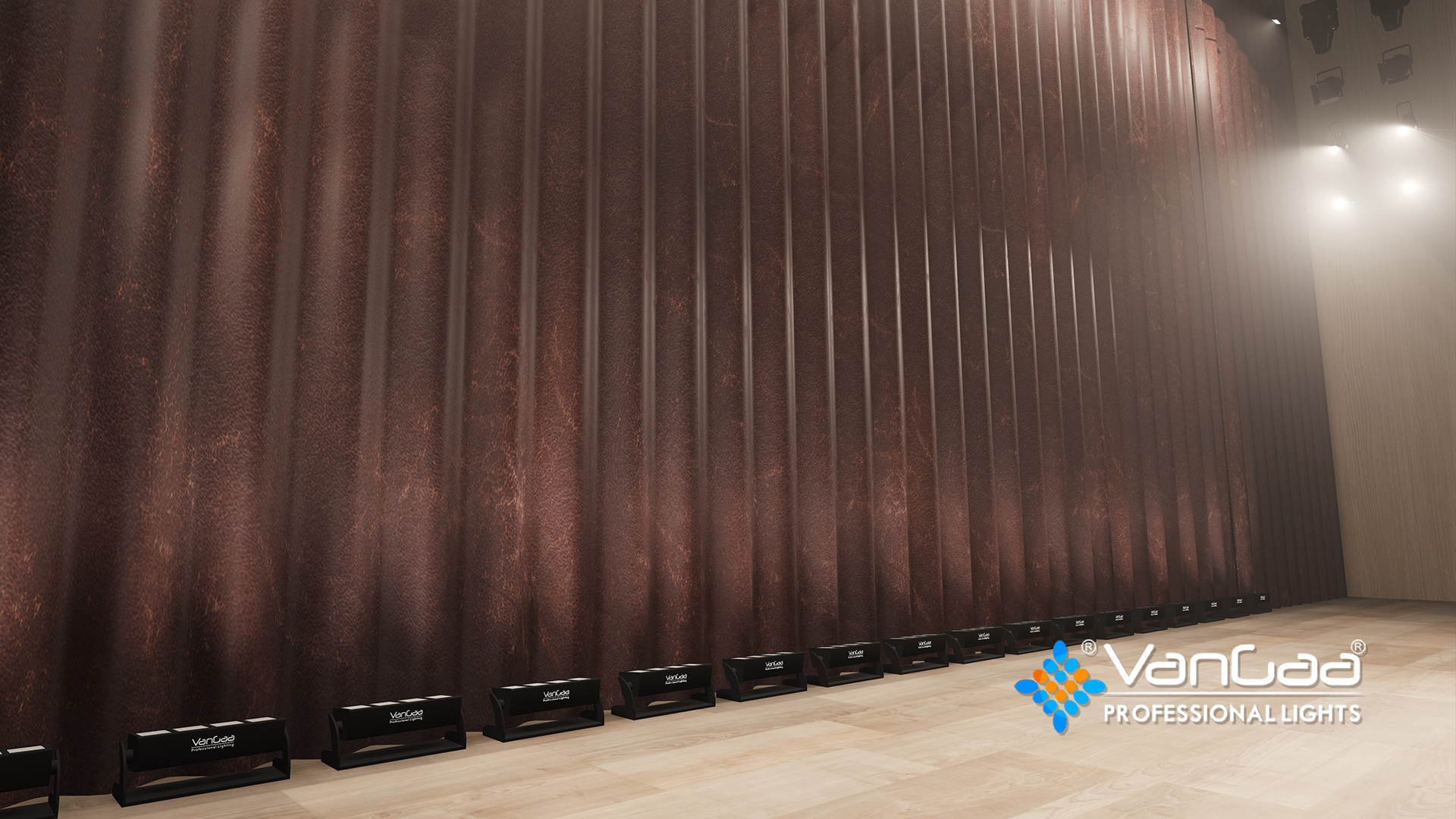
The lighting position system of proscenium stages is essentially an architectural experiment of light and shadow. Through the "focusing" of front lights, "shaping" of side lights, "overseeing" of top lights, and "ambience creation" of background lights, lighting designers merge technology and art: satisfying the "clarity" of visual needs (making characters and scenes "visible") while enabling "poetic expression" (making emotions and moods "perceptible"). From the solemn lighting of classical operas (front-light dominance, restrained side lights) to the experimental light-shadows of avant-garde theater (fantastical combinations of follow spots and sky-floor row lights), every adjustment redefines the balance between "stage reality" and "artistic imagination."