 English


Views: 0 Author: Site Editor Publish Time: 2026-06-12 Origin: Site


Relying exclusively on natural north-facing light remains a beautiful but outdated historical romanticism. It is a luxury most modern, working artists simply cannot scale. Perfect architectural window placement rarely aligns with your actual daily availability. Weather changes unpredictably. Standard domestic bulbs and cheap photography ring lights create muddy, highly inaccurate color mixing. They cast uncontrolled, glaring hotspots across wet mediums. Furthermore, they enforce completely inconsistent working hours. You lose vital creative momentum the moment the sun sets.
Transitioning to professional, heavily controlled lighting serves as a direct investment in your color accuracy. It dramatically improves your physical workflow and daily comfort. This comprehensive guide breaks down the essential technical criteria for evaluating modern studio setups. We center our focus squarely on the reliable precision of LED Fresnel technology. You will learn exactly how to reclaim your studio hours permanently.
Unpredictable lighting directly impacts color accuracy; reliable studio lighting requires a Color Rendering Index (CRI) of 95 or higher.
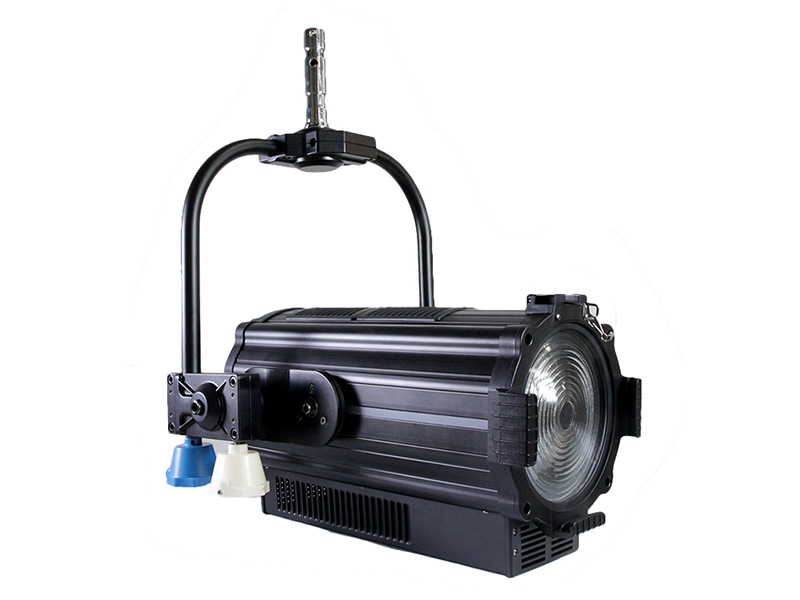
The LED Fresnel light offers the ideal balance of beam control, low heat generation, and precise color temperature for professional art production.
Selecting the right fixture requires evaluating your specific medium (e.g., oil vs. acrylic) and your spatial constraints (e.g., ceiling height, basement studios).
Proper implementation relies on the 45-degree angle rule to eliminate glare on reflective canvases.
Have you ever finished a brilliant painting at night, only to despise it the next morning? We call this frustrating phenomenon color metamerism. Colors mixed under standard warm-white indoor lighting (around 2700K) look fundamentally different in natural daylight. They also shift drastically under bright, neutral gallery spotlights. You might think you mixed a vibrant, warm crimson. Later, it appears shockingly muddy and brown. Inadequate bulbs lack the necessary spectral data to bounce true colors back to your eyes.
Next, consider the persistent issue of texture and glare. Hotspots constantly plague wet oil paint, heavy acrylic impasto, and freshly varnished surfaces. Un-diffused, direct bulb exposure bounces harsh reflections directly into your retinas. You cannot evaluate your delicate brushwork accurately under these glaring conditions. You find yourself constantly bobbing and shifting your head just to see the actual canvas. This repetitive physical strain leads to severe neck fatigue over long painting sessions.
Finally, inadequate setups create severe workflow limitations. Productivity plummets rapidly when you must stop working at dusk. You lose precious hours during short winter days. Many emerging artists struggle in low-light environments like basement studios or windowless spare rooms. Relying on unpredictable weather dictates your entire creative output. You deserve a professional workspace where the time of day never restricts your painting schedule.
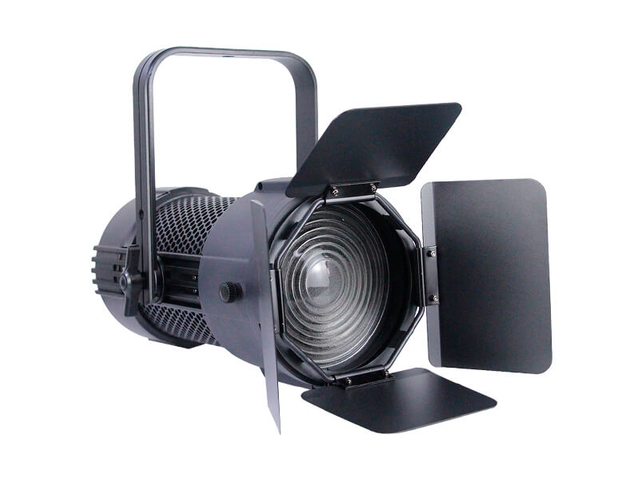
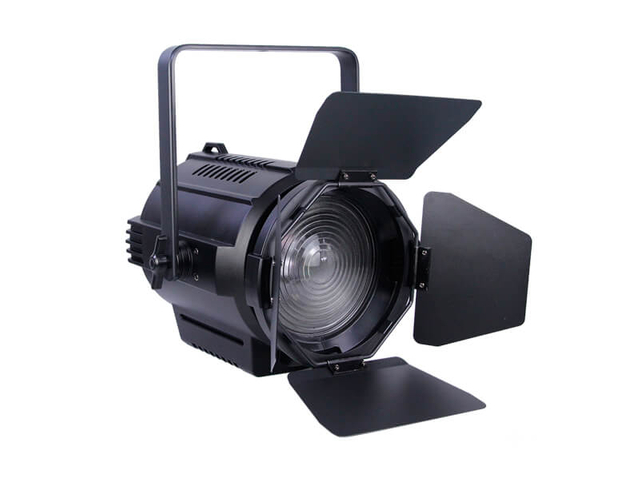
The cinema and theatrical industries have relied on Fresnel lenses for decades. Now, serious fine artists rapidly adopt them for daily studio work. A Fresnel lens features stepped, concentric rings carved directly into the glass. These distinct rings allow you to smoothly adjust the emitted beam. You can focus it tightly into a concentrated spot. Alternatively, you can widen it to a broad, soft flood. This mechanical advantage proves absolutely crucial. It lets you control exactly where light spills. You can illuminate your canvas brilliantly while keeping your surrounding palette walls draped in shadow.
Historically, professional studios used tungsten or halogen bulbs behind these heavy lenses. Traditional studio lights produce immense, deeply uncomfortable heat. They accelerate the drying time of open acrylics drastically. They turn a small, enclosed room into a miserable sauna. Modern semiconductor technology solves this physical issue beautifully. Upgrading to a modern Led fresnel light eliminates these implementation risks entirely. Modern LEDs run incredibly cool to the touch. They maximize safety around flammable painting solvents and keep your workspace perfectly comfortable for hours.
We must view this specific technology as much more than just a bright bulb. You should frame it as a reliable, repeatable baseline for professional quality control. Upgrading removes the daily guesswork from your visual practice. You guarantee your lighting remains perfectly identical every single session. Visual consistency breeds technical mastery.
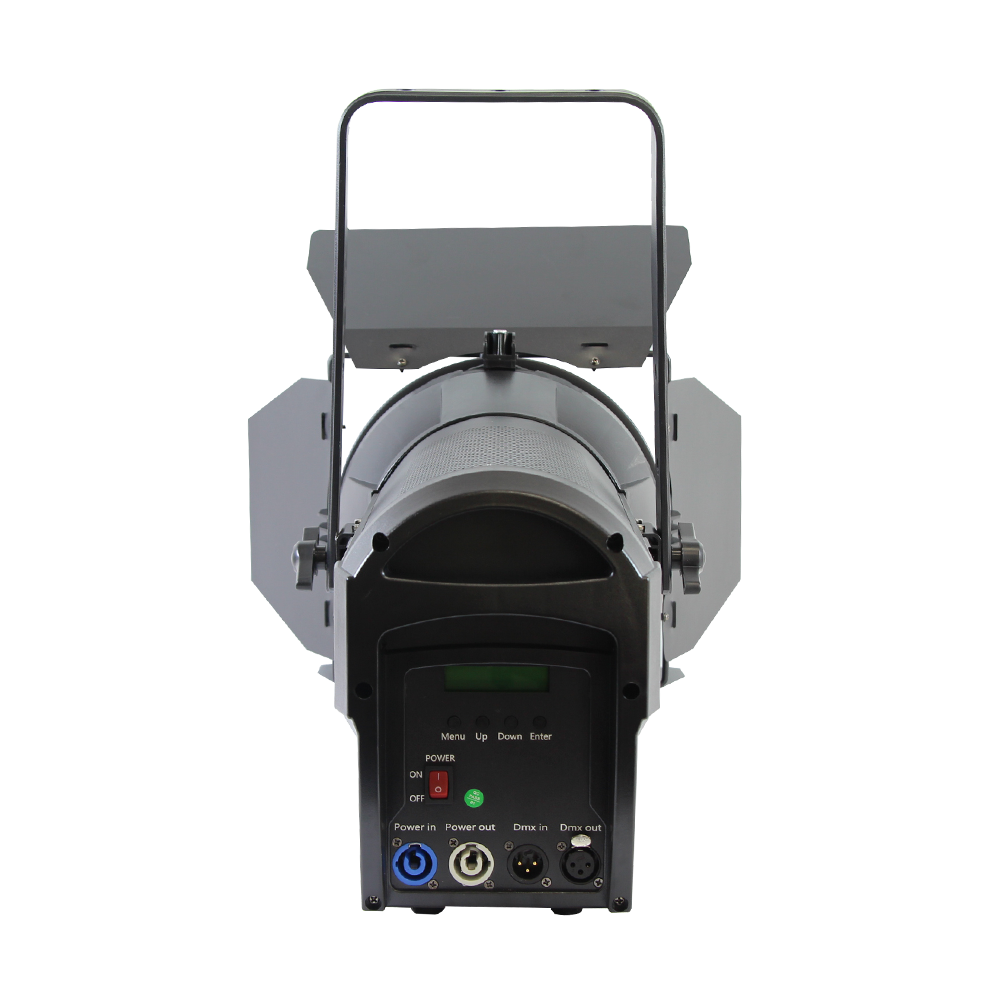
You cannot purchase proper studio illumination based on cheap wattage ratings alone. You must evaluate highly specific technical parameters. Selecting the right Led Fresnel Light for Art Studio integration requires understanding four core scientific metrics.
First, establish a strict, non-negotiable baseline for the Color Rendering Index (CRI). Accept absolutely nothing below a CRI of 95. Lower CRI fixtures simply lack essential spectral wavelengths. They cannot accurately display subtle reds and deep, nuanced blues. We also look closely at the Television Lighting Consistency Index (TLCI). High TLCI ensures your pigments read perfectly on modern camera lenses when recording your process.
Second, target the correct color temperature measured in Kelvin. The ideal range for a daylight-balanced workspace falls between 5000K and 5600K. This specific range precisely mimics the coveted north-facing window light. Avoid bi-color fixtures if they noticeably sacrifice maximum lumen output. If you must choose a bi-color unit, ensure it maintains high CRI across its entire adjustable spectrum.
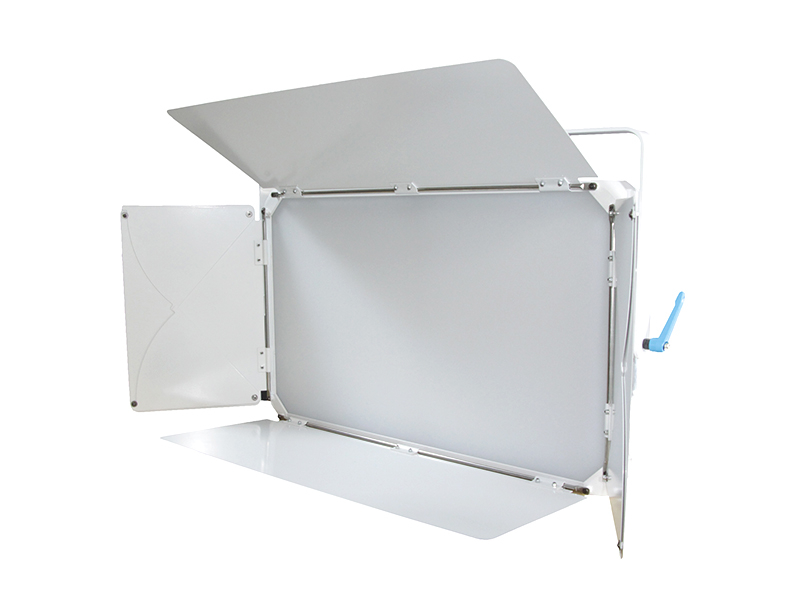
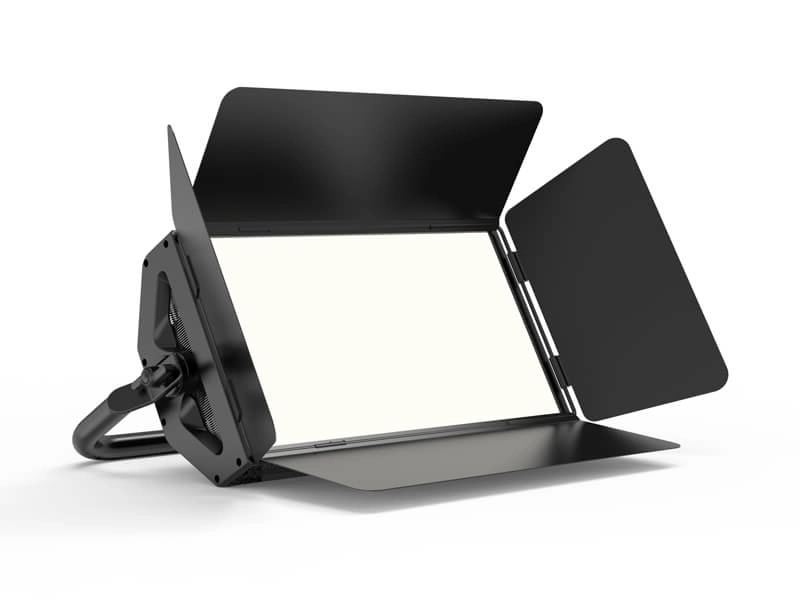
Third, examine the beam angle and output control mechanisms. Step-less dimming from zero to one hundred percent is absolutely non-negotiable. You also need sturdy barn doors attached to the fixture front. Barn doors let you flag off stray beams mechanically. You prevent harsh glare from hitting your eyes or washing out reference monitor screens.
Finally, demand flawless flicker-free performance. Many modern artists constantly record their process for social media platforms or online courses. Cheap hardware pulses at frequencies invisible to the naked human eye. Digital cameras catch this rapid pulsing as dark, scrolling banding across the screen. A high-frequency electrical driver prevents this distracting video artifact entirely.
Essential Studio Lighting Evaluation Metrics | ||
Technical Metric | Minimum Studio Standard | Why It Matters For Artists |
|---|---|---|
Color Rendering Index (CRI) | 95 or Higher | Ensures highly accurate perception of subtle reds, blues, and skin tones. |
Color Temperature (Kelvin) | 5000K - 5600K | Replicates natural, neutral daylight to prevent muddy color mixing. |
Output Control | 0-100% Step-less Dimming | Adapts beam intensity to different times of day smoothly and quietly. |
Flicker Performance | High-Frequency Driver | Eliminates ugly video banding when filming reels or online courses. |
Different physical art mediums demand entirely unique physical setups. You cannot light a highly glossy oil painting the same way you light a matte plaster sculpture. Below are proven implementation tactics for various artistic disciplines.
Oil Painters (The Glare Problem): Wet oil paint and varnished surfaces act exactly like a mirror. Direct, frontal placement creates blinding white reflections. You must position your source at a strict 35 to 45-degree angle to the canvas. This specific geometry bounces the harsh specular reflection away from your direct eye line. You see rich, true pigment instead of a distracting, washed-out glare.
Sculptors & 3D Artists: Physical form reveals itself entirely through shadow. Sculptors utilize the focusable beam of a Fresnel heavily during their process. First, narrow the beam tightly to create deliberate, harsh shadows. This technique helps you accurately check underlying form and raw spatial volume. Next, widen the beam to gently flood the entire piece. You can then evaluate smooth surface transitions evenly.
Spatial Constraints (The Basement Studio Reality): Many artists work in basements featuring frustratingly low ceilings. Heavy-duty C-stands consume highly valuable floor space. They also pose severe tripping hazards in cramped quarters. Evaluate ceiling-mounted rail systems or pantograph scissor mounts instead. Rails keep the working floor completely clear and safe. Furthermore, heed this critical setup warning. Never use high-wattage traditional tungsten fixtures in tight, unventilated spaces. They create severe fire risks. LEDs remain the only truly safe option for enclosed, domestic rooms.
Transitioning your creative workspace requires thoughtful, practical planning. Follow these highly actionable steps to finalize your new environmental setup.
Start by accurately assessing your physical space. You must calculate the necessary total lumen output. We separate this crucial calculation into task lighting and ambient room fill. Task lighting covers your active painting area. Ambient fill covers the surrounding room. Your working easel requires much higher intensity than the background walls. Measure your square footage carefully before browsing catalogs.
Next, handle your overall budget allocation wisely. Do not spend every single dollar on the main lamphead alone. We advise splitting your budget realistically. Allocate primary funds for the main fixture. Save adequate money for essential light modifiers like barn doors and diffusion gels. Prioritize highly secure mounting hardware above all else. Safety must always come first when suspending heavy metal gear overhead.
Finally, plan for long-term scalability. We highly recommend starting with a strong, single-source "key light". Use it to perfectly simulate a bright, directional window. Master painting with this single directional source first. Understand how it wraps around your subject. Later, you can confidently invest in secondary fill lights. Secondary lights help soften deeper room shadows when recording videos or hosting studio visits.
The Core Fixture (60% of budget): Invest the majority in a high-CRI, daylight-balanced luminaire.
Light Modifiers (20% of budget): Purchase barn doors, softboxes, or diffusion gels to shape and soften the raw beam.
Grip & Support (20% of budget): Buy heavy-duty C-stands, sandbags, or ceiling mounts to ensure absolute physical safety.
Controlling your physical studio environment acts as the crucial final step in mastering your artistic medium. Bad visibility ruins even the greatest technical execution. Relegate inconsistent painting sessions to the past.
Upgrading to a professional, high-CRI LED Fresnel setup eliminates frustrating guesswork from your daily color mixing. It effortlessly extends your productive studio hours indefinitely. You completely free yourself from the unpredictable rotation of the sun. You gain ultimate control over how you perceive your own work.
Call to Action: Grab your smartphone or check your bulb's manufacturer box right now. Assess your current primary light source's official CRI rating. Outline your specific room dimensions and ceiling height on paper. Do this critical assessment before you ever evaluate new manufacturer spec sheets.
A: Yes, provided the LED is daylight-balanced (approximately 5600K) to match the incoming light. Mixing vastly different color temperatures (e.g., 3200K artificial with 5600K natural) will confuse your color perception.
A: Focus on lumens and lux rather than raw wattage (as LEDs are highly efficient). A 60W to 150W LED Fresnel is typically more than sufficient for lighting a large easel setup from 4-6 feet away.
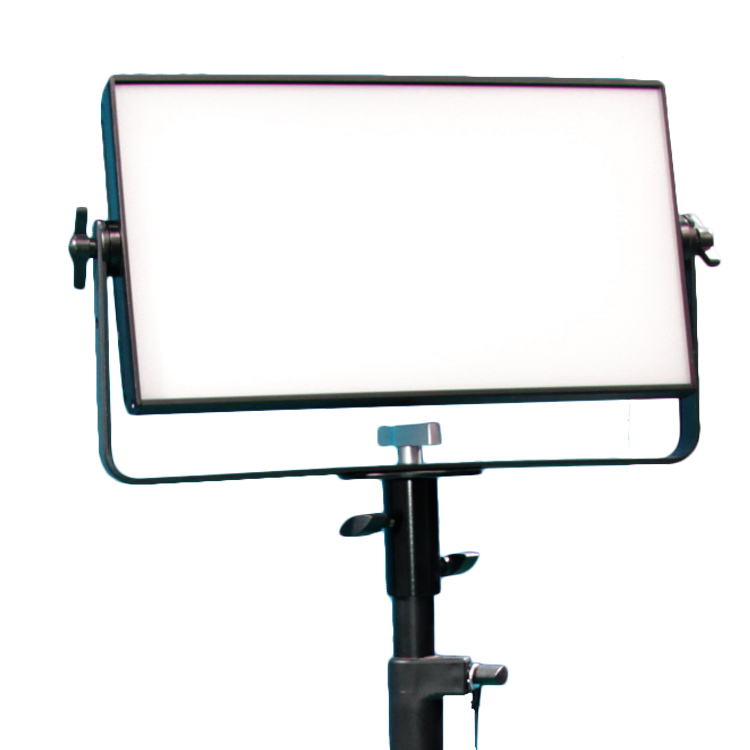
A: No. Standard LED panels cast a wide, uncontrollable spray of light that often results in flat, low-contrast illumination. Fresnels offer directional control, essential for seeing texture and brushwork accurately.